
Please remember that you can click on a photo to see a larger version, and that highlighted text is linked to additional information.
Please click here for Part Two
Before They Are Gone
I’ll back up here and include more of our conversation with the gentleman from Wilson driving the GMC 4x4.
“One reason so many are up here is because many of the other rivers are too warm - the Snake, Salt, rivers in Yellowstone.” he related to us. “Crystal Creek is still cold.”
“Yes,’ I replied. “We talked about this with Lizzy at the fly shop in Alpine. They had a large sign posted at their entrance.”
Our native trout are under assault. Climate change and warming temperatures are taking a toll. The current administration could care less about our natural world. My inbox is filled with pleas to help stop the carnage.
The Lady and I will continue on our mission, for as long as possible, to see as much as we can before it is gone.
Crossing the bridge over the Wiggins Fork, the water was still clouded with silt from the days of hard rains. We decided to continue in and, if necessary, wait it out until the water cleared.
The last few miles is 4x4. It’s rough, narrow, with a section of shelf road thrown in. One nasty gully required four low.
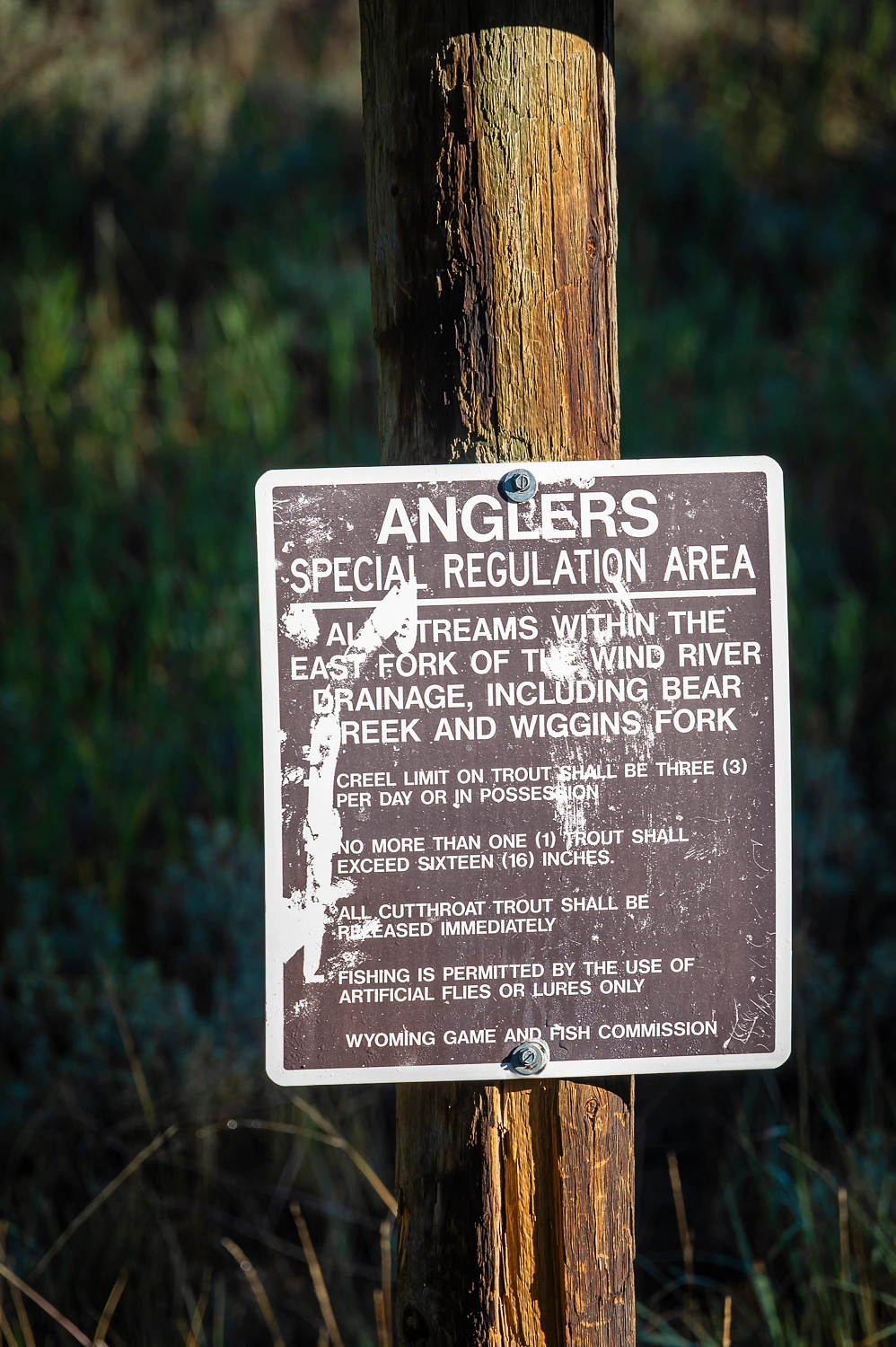
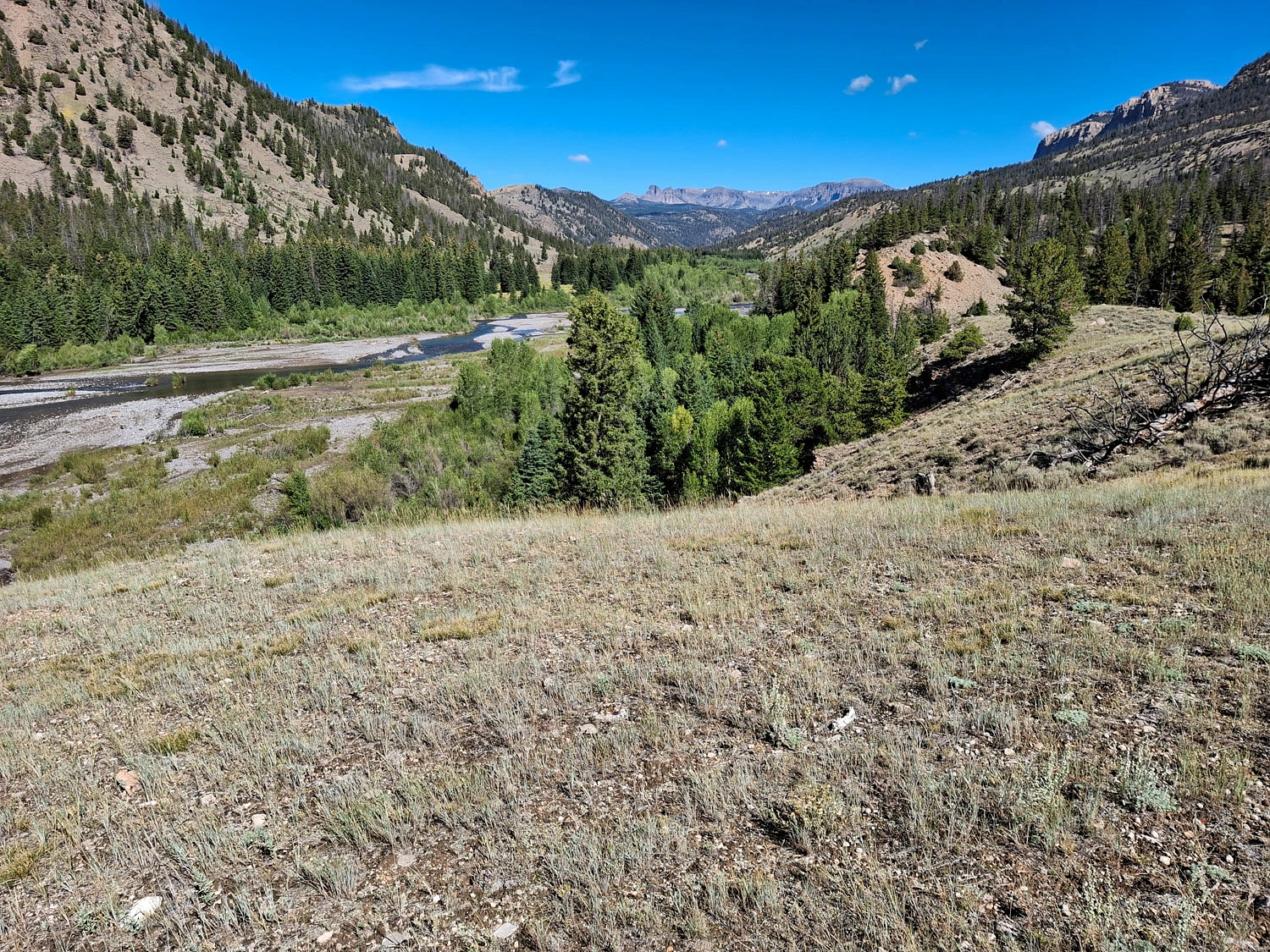
We were alone - this would not last long - at roads end. We scouted the area, river, and the possible camp spots. Wiggins Fork is a braided river in the Absoroka Range, and is knock your socks off gorgeous.
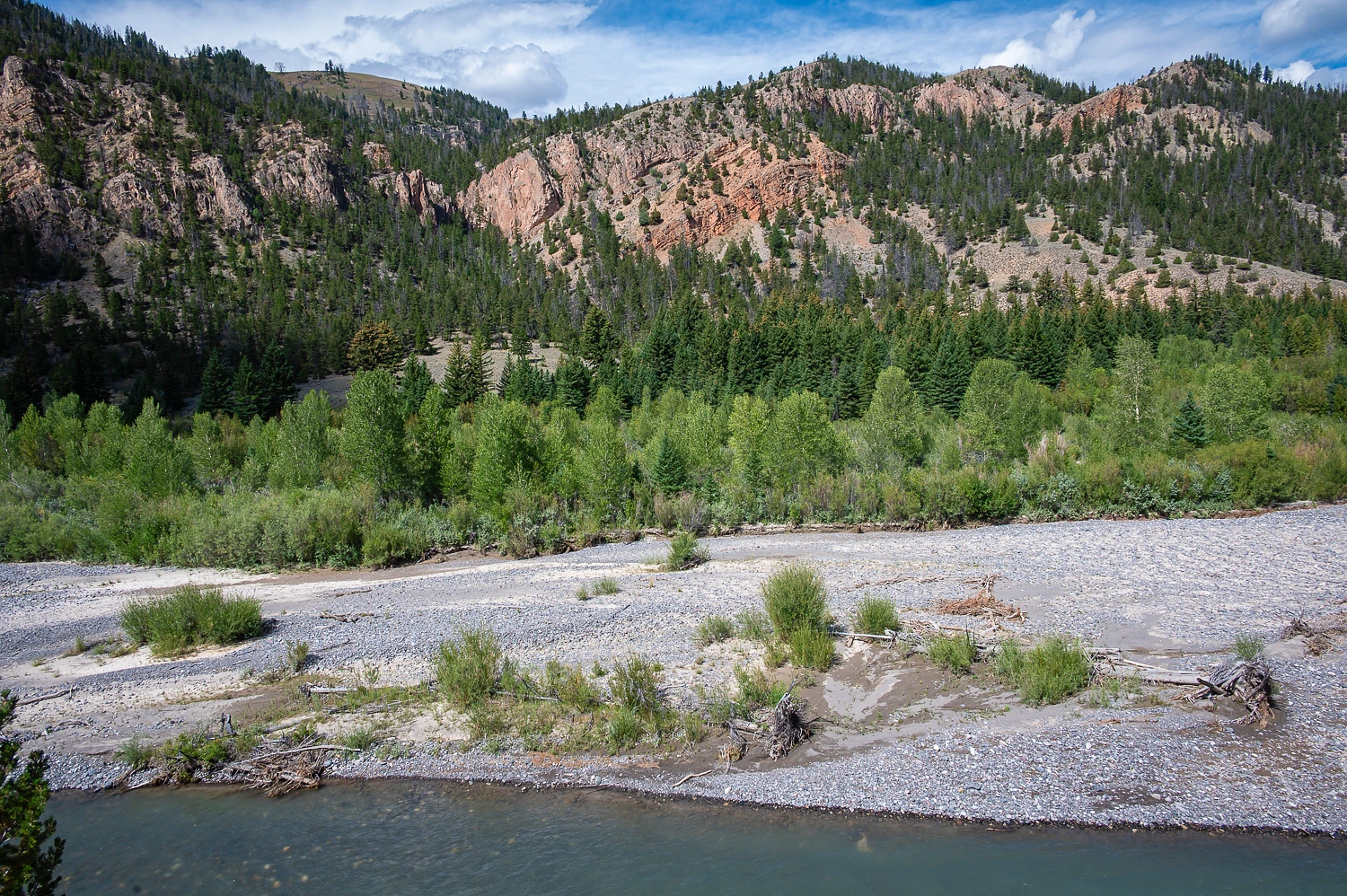
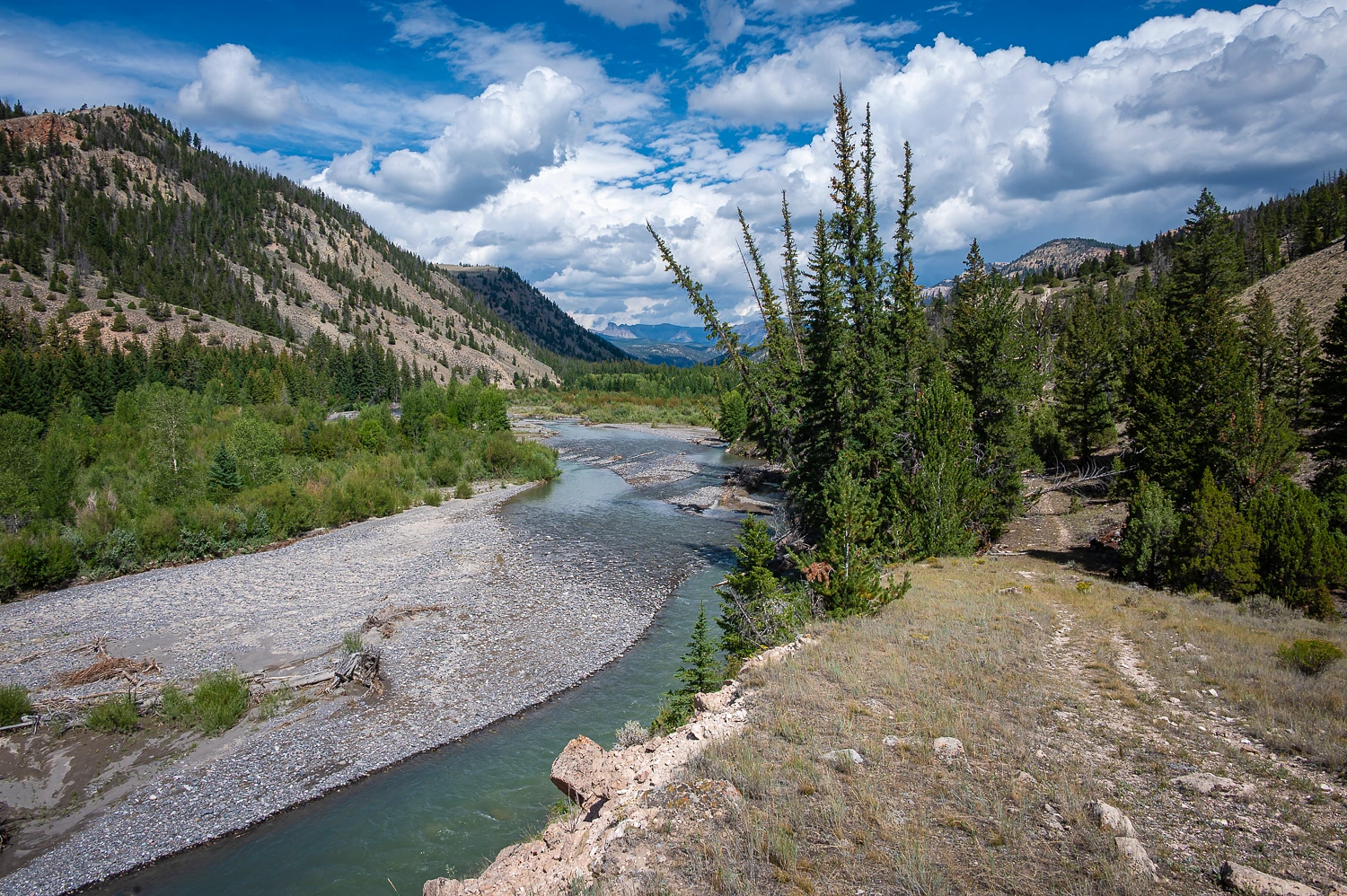
We were pleased to see the water clearing nicely. We returned to the road and found we were no longer alone. An older F-250 crew cab short-bed 4x4 was parked. Eleven people and three dogs climbed out. Yeah, we suspected they all piled into the 4x4 rig for the last few miles in. The Lady chatted with them as I got the truck. She spotted me through the tight trees and turns to our chosen camp spot.
Other vehicles arrived. This place is no secret.
It was time to fly fish. An occasional rain squall moved through, but the cold wind was continuous. It was most comfortable with our rain shells on.
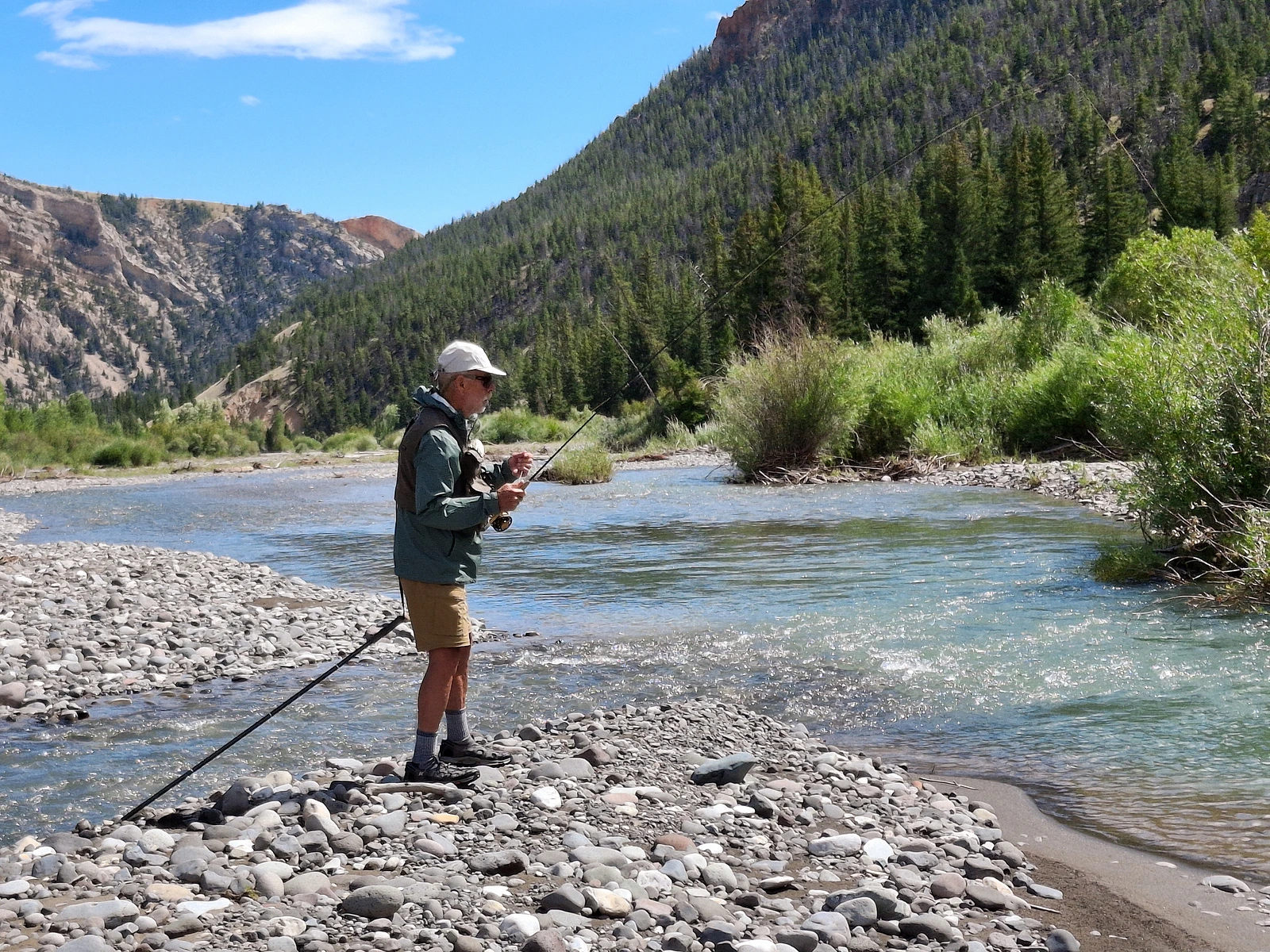
A bit above where the other vehicles parked, we didn’t have competition here. We brought a couple of small cutthroat to the Lady’s net.
How many caught this clue I posted earlier?
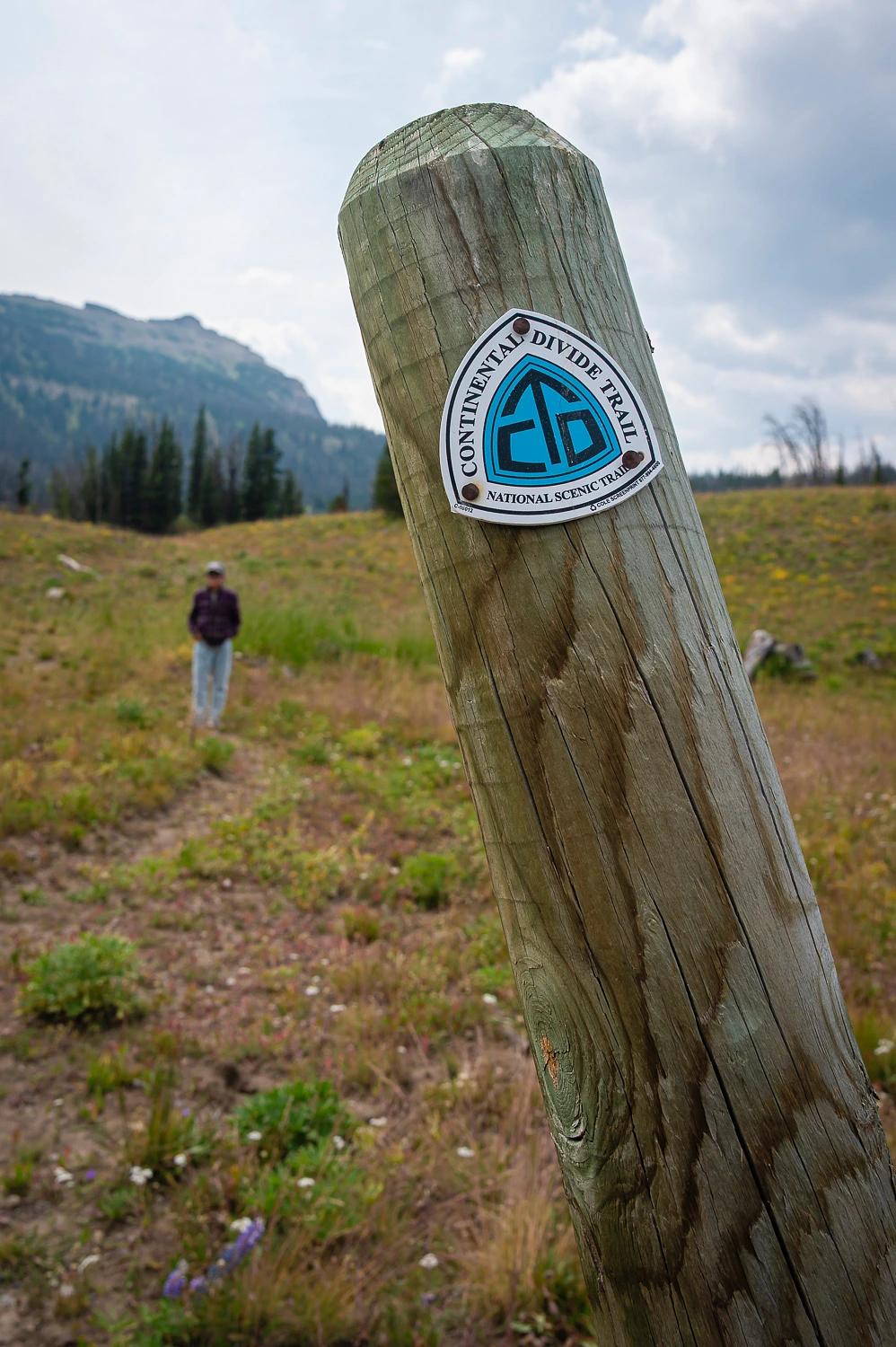
We crossed the continental divide at Togwotee Pass and were now on the Atlantic Ocean side. The cutthroat trout is a Pacific salmonid - genus Oncorhynchus. How did a Pacific side trout make it to the Atlantic side? Many believe in happened at the Parting of the Waters, in what is now Yellowstone National Park. The native trout in these headwater tributaries of the Yellowstone River is the Yellowstone Cutthroat, and the fourth, and final species of the native cutthroat of Wyoming we were searching for in their home waters.
All the vehicles were gone by the evening and we celebrated being alone out here. It rained hard overnight but cleared in the morning. We walked out, with our mugs of coffee, to the old homestead - the reason for the old road into here.
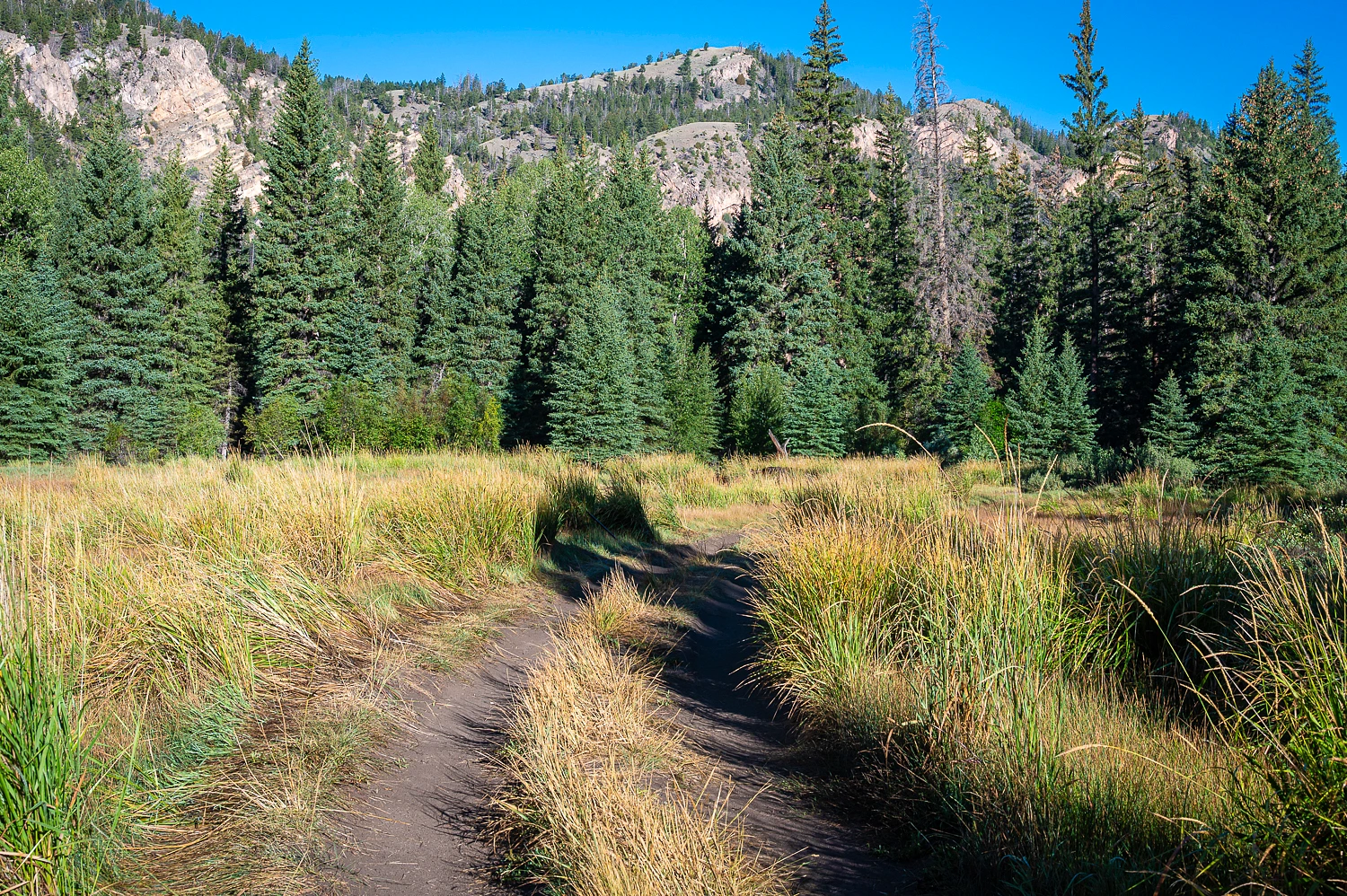
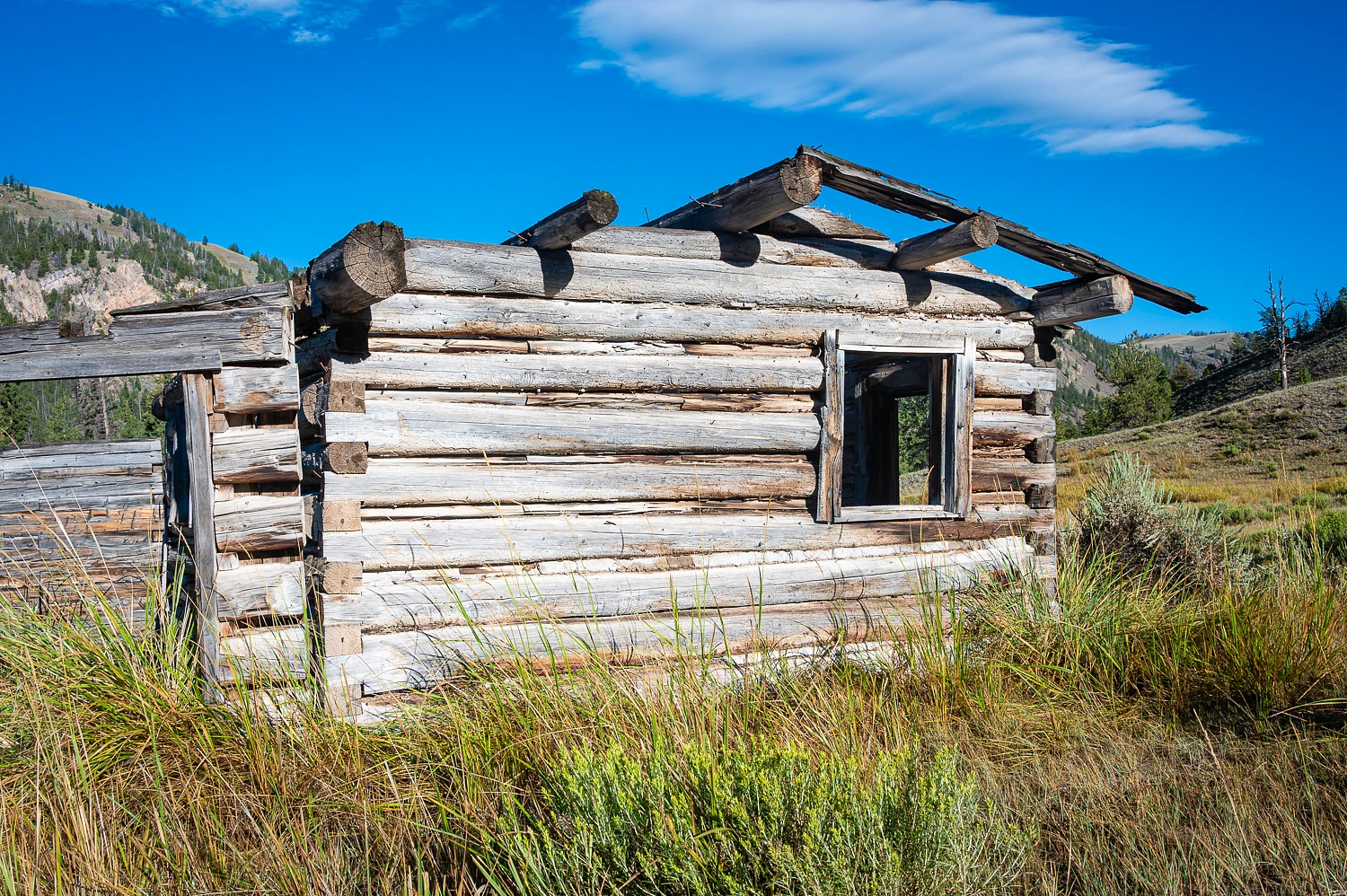
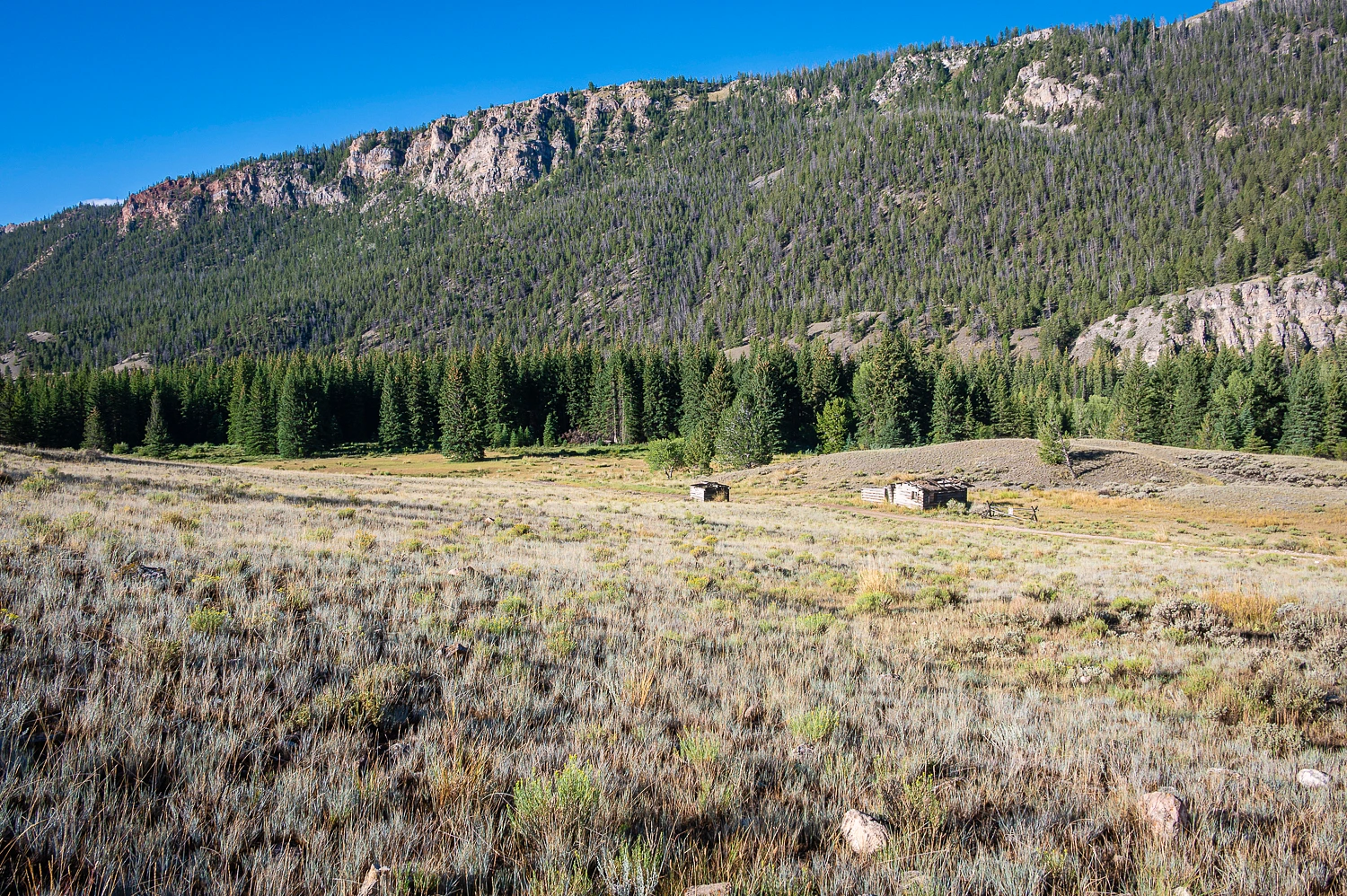
Vehicles were already coming in. From our camp there was a use trail that followed the slopes above the river to get us upstream and ahead of others. The views along the trail were outstanding.
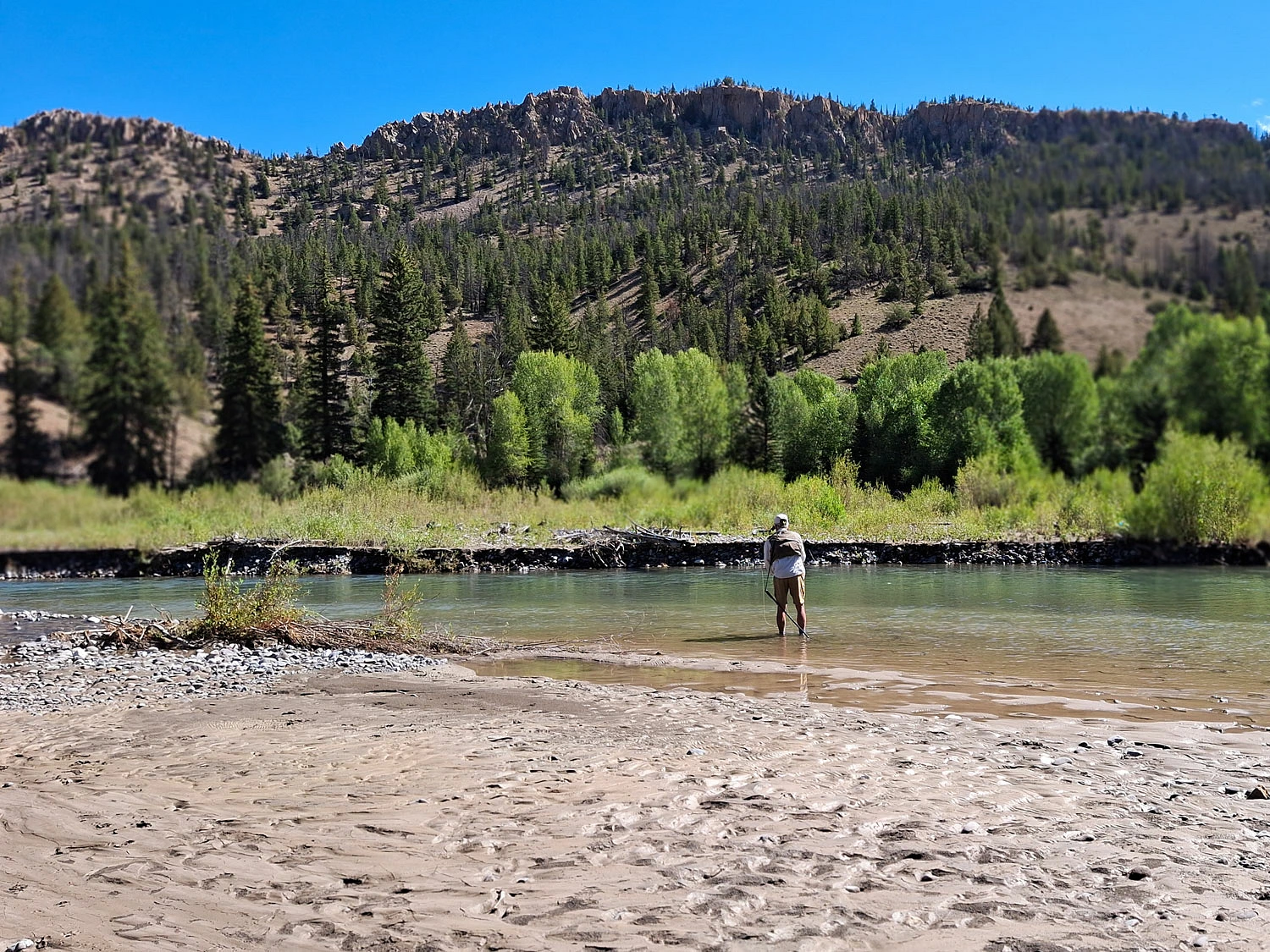
Although the braided water courses were mostly shallow runs, we found deeper channels we concentrated on.
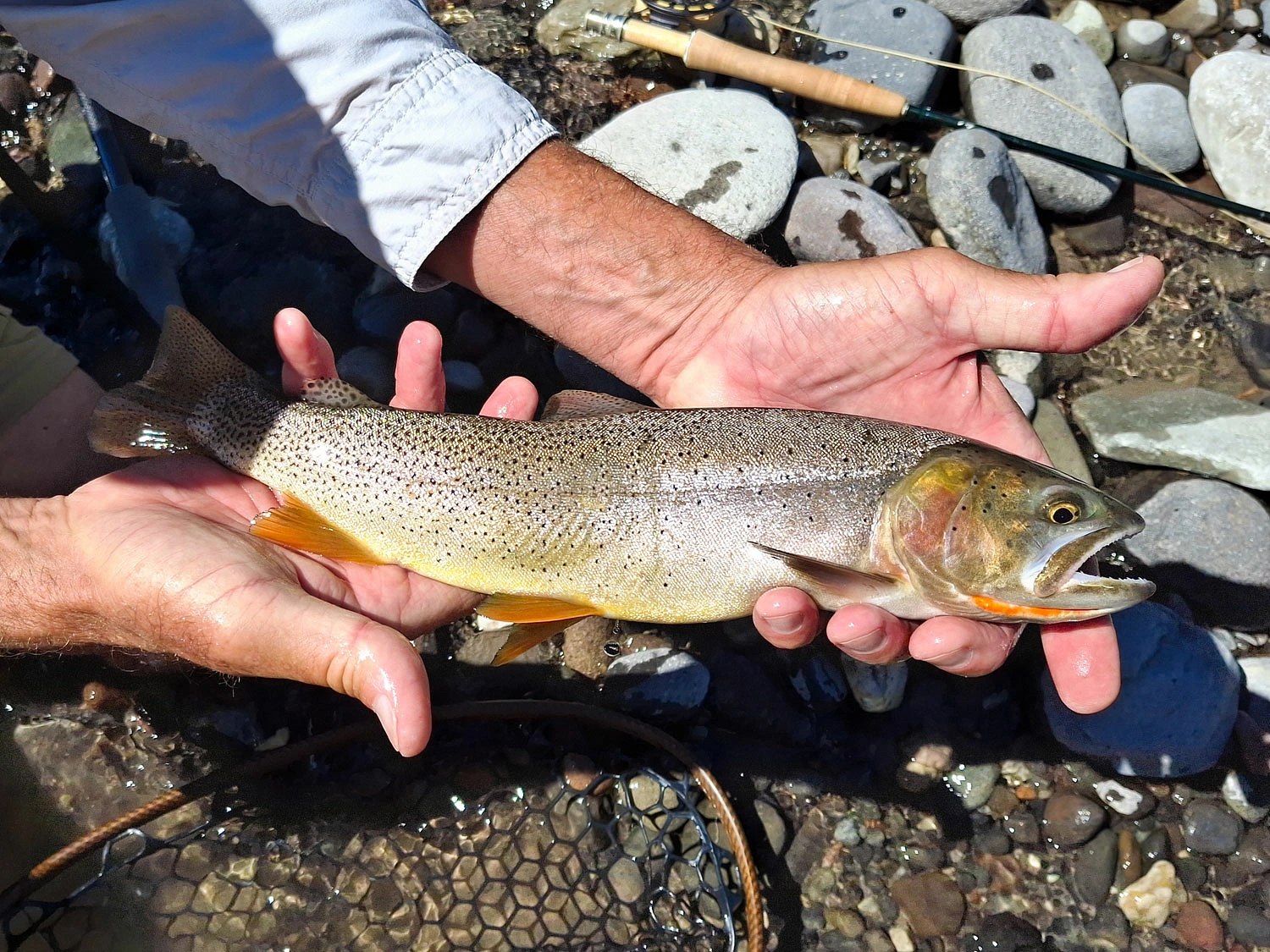
This Yellowstone Cutthroat, that rose to a size 16 elk hair caddis dry, was “the trout” of our time on the Wiggins Fork and was brought to the net here. Please notice how closely it resembles the Snake River Fine-spotted Cutthroat. Genetic evidence says the two cannot be distinguished from one another. Remember how I said this all can get complicated?
We were not alone up here.
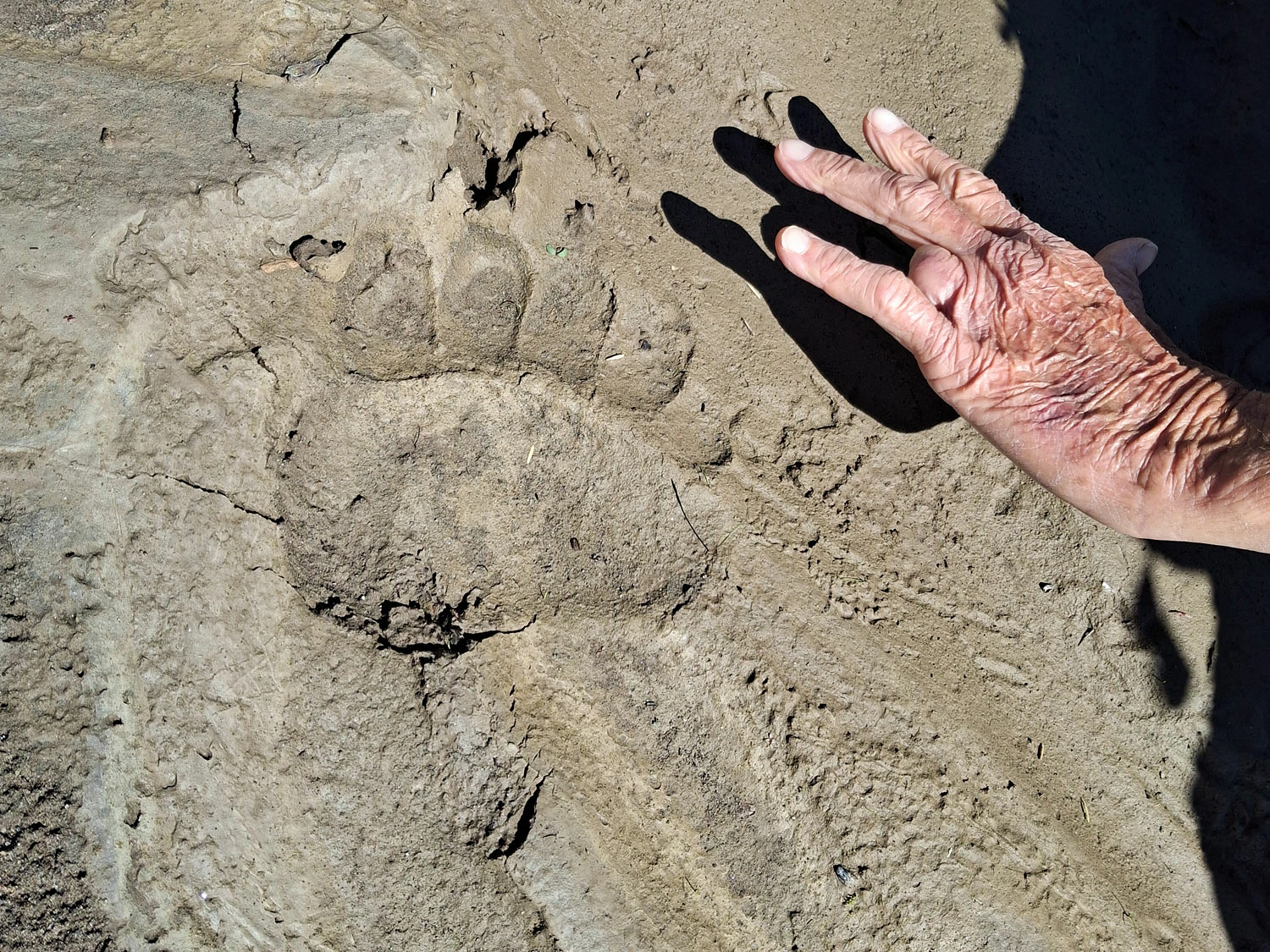
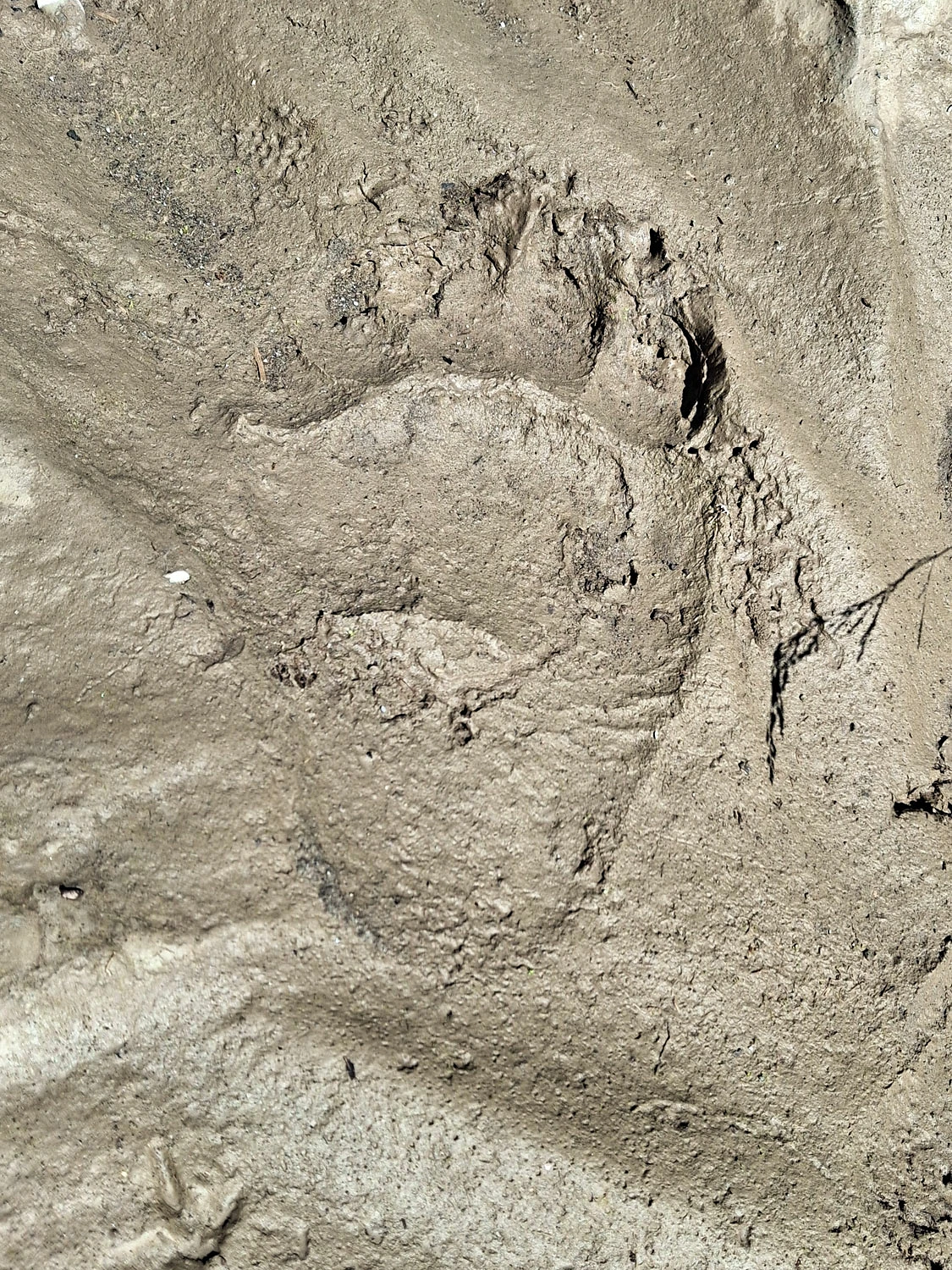
All the locations we’d been fishing at in Wyoming are in the Greater Yellowstone Ecosystem. With the overnight rain, this track was new and was made just before we came through. We’ve spent a lot of time in grizzly country and are at home in these places. And we’ve had our share of encounters with grizzly. Although we would have liked this to be grizzly, this looks like the tracks of a large black bear. What do you think?
We continued fishing upstream....
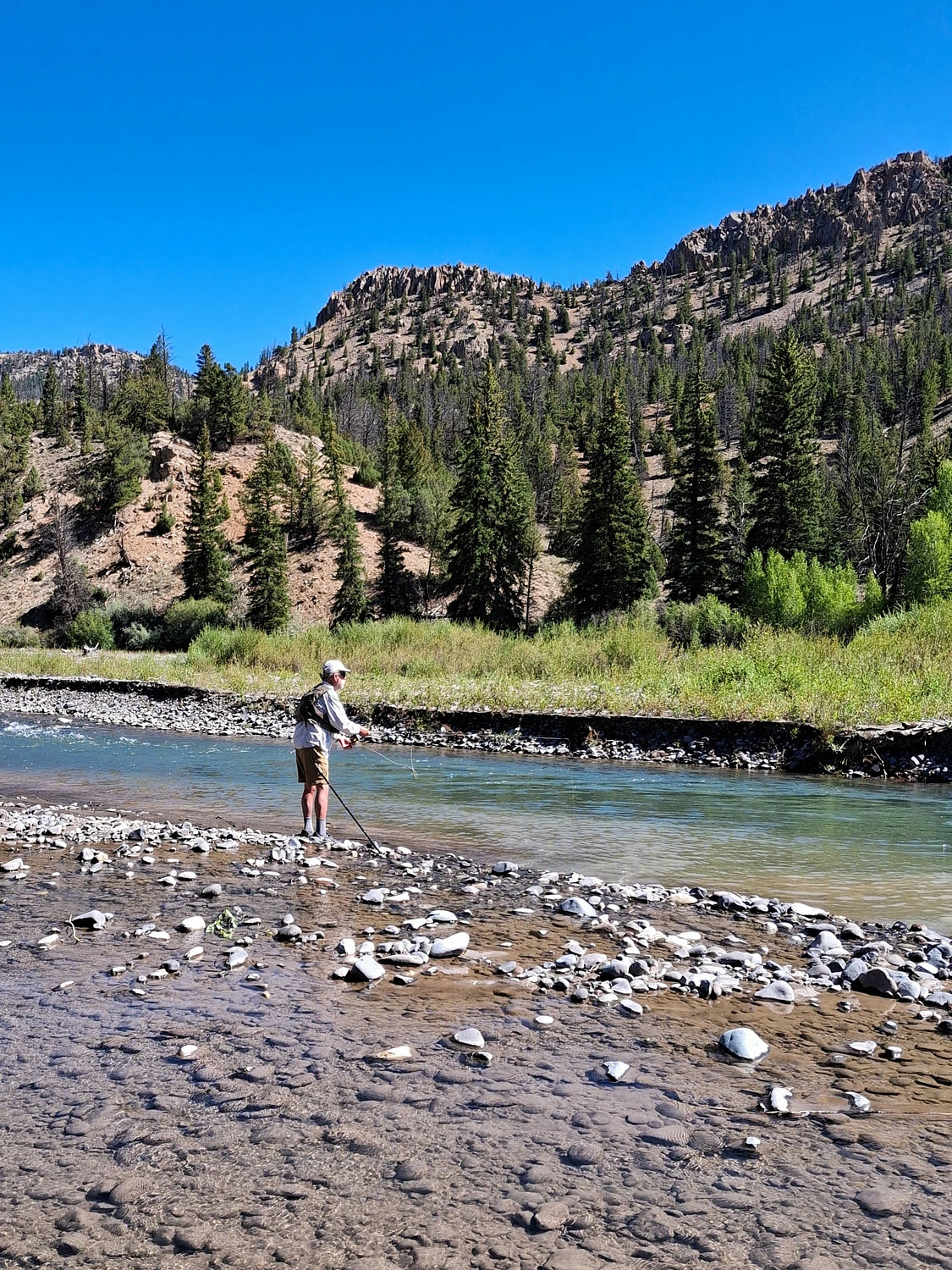
...and we began to hear voices. A group of three men were coming upriver, moving fast, quickly walking through the water, and making only a couple of casts before continuing on. We moved to the side of the flood plain, found a log to sit on, and took a break as they moved by.
“Let’s go back to the nice hole where we caught the big one,” the Lady suggested. “The building clouds look like we've got about an hour before the storm arrives.” We finished our snacks and turned back downstream. There were three people - two guys and a gal - with two large dogs at the hole we wanted to fish. We stepped through the screen of timber and hiked up the use trail. They never saw us. We watched from above.
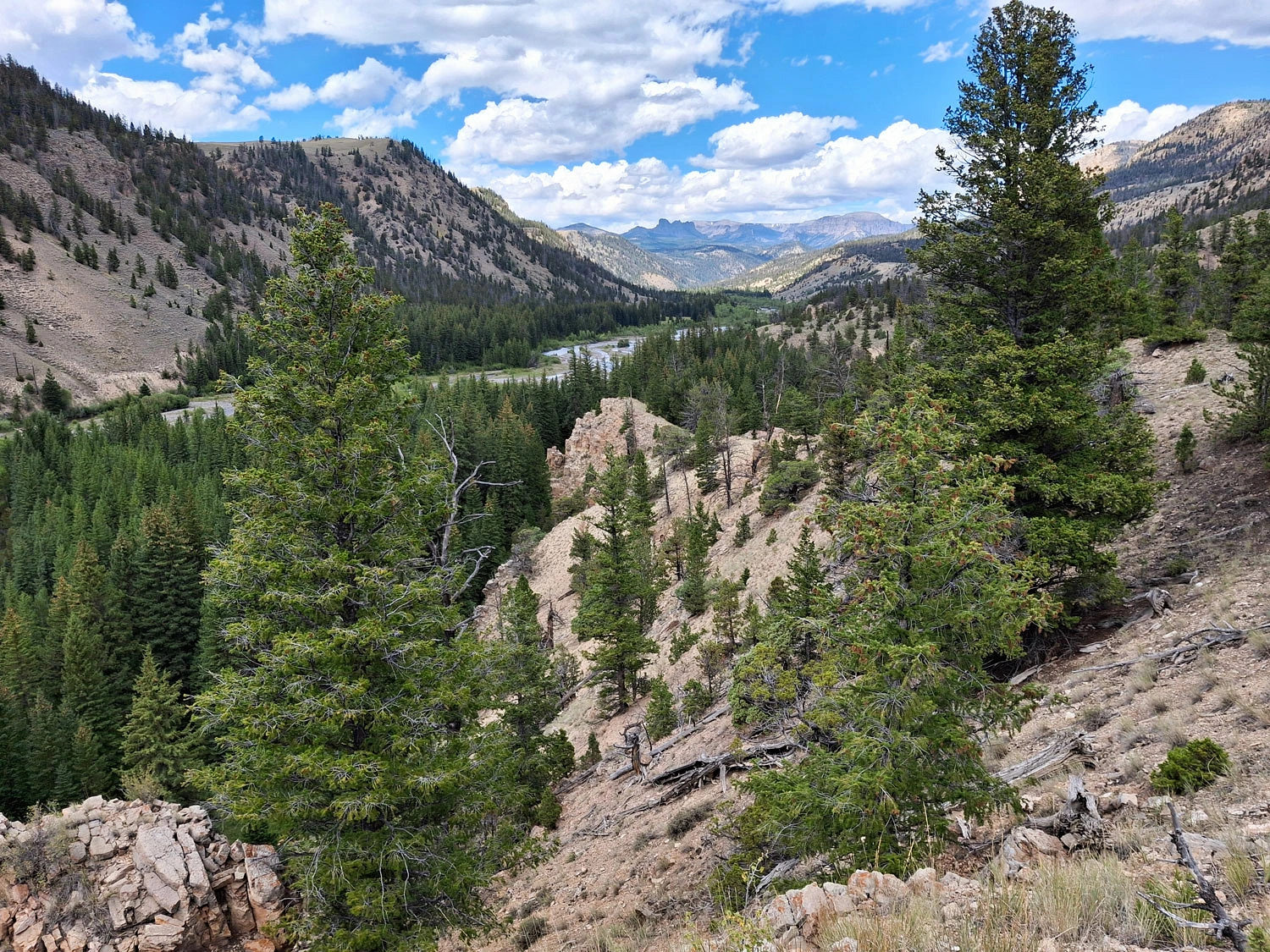
It appeared they would not be moving. We gave up waiting and hiked back to our camp. There were several vehicles now at roads end with more fly fishers out on the river. We put our fishing gear away and waded across the river to a bench where the topo map indicated an old cabin was.
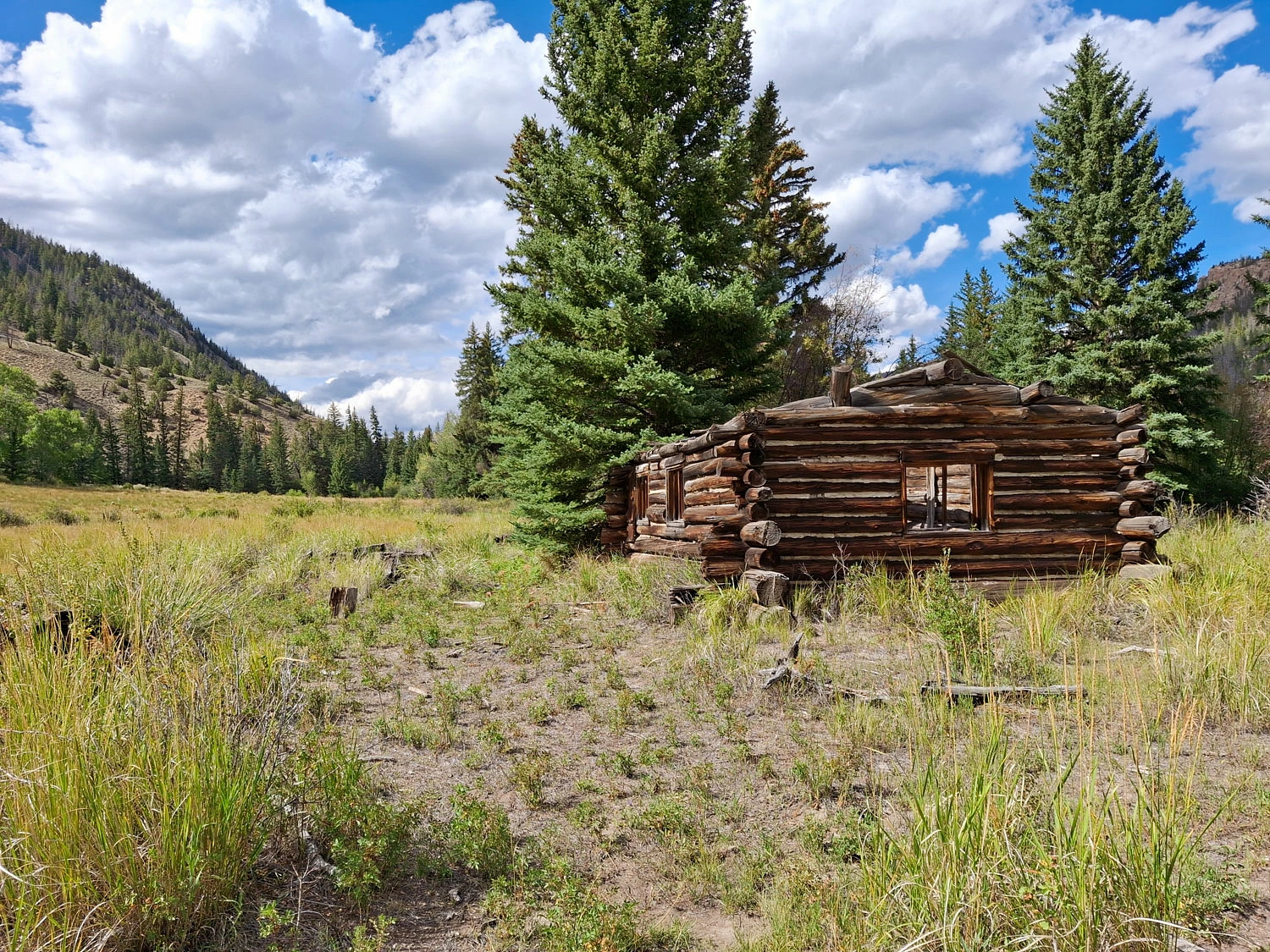
The rain did not last long. We carried our chairs up to our spot for dinner and breakfast. We relaxed and took in the spectacular landscape.
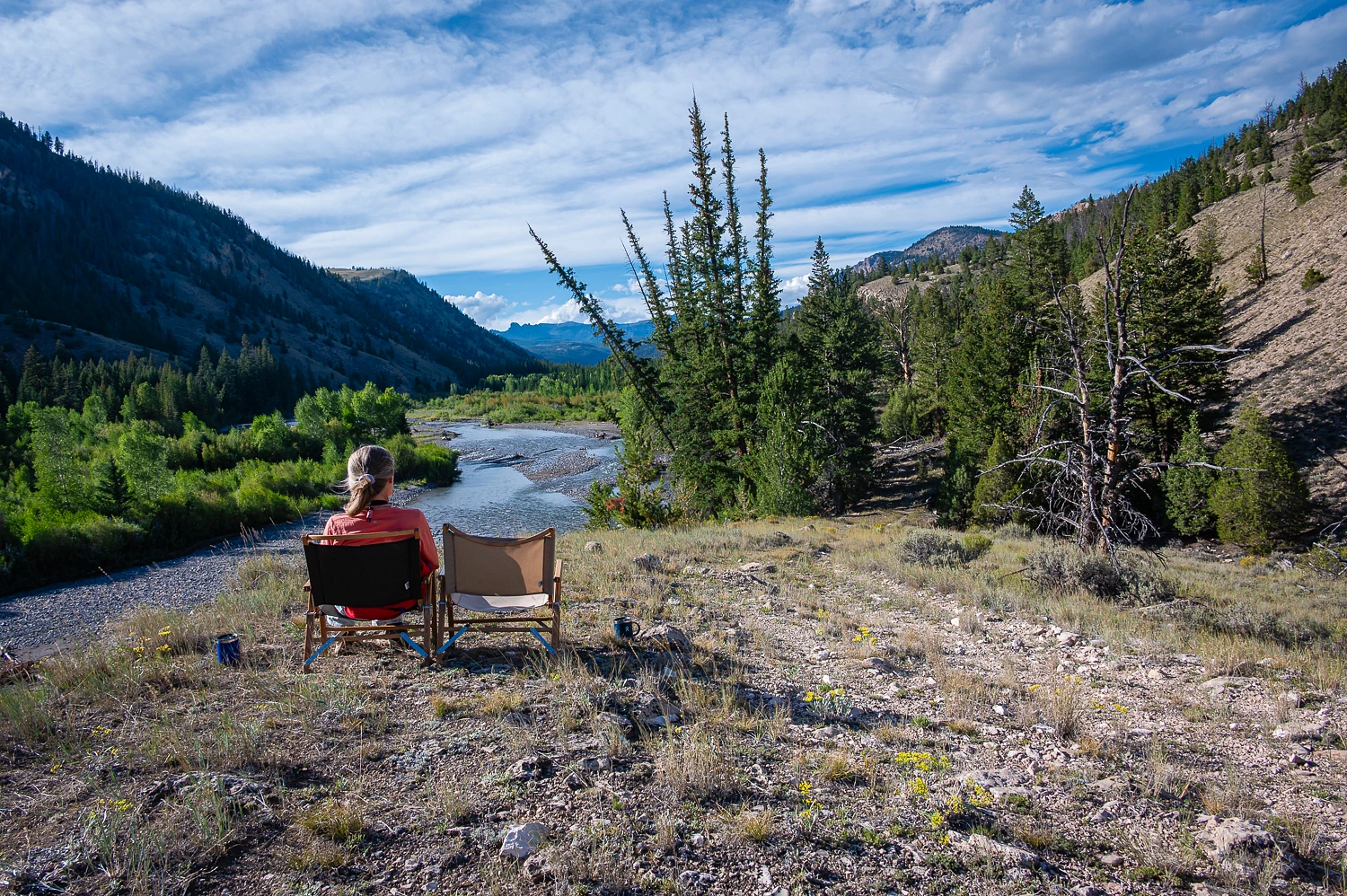
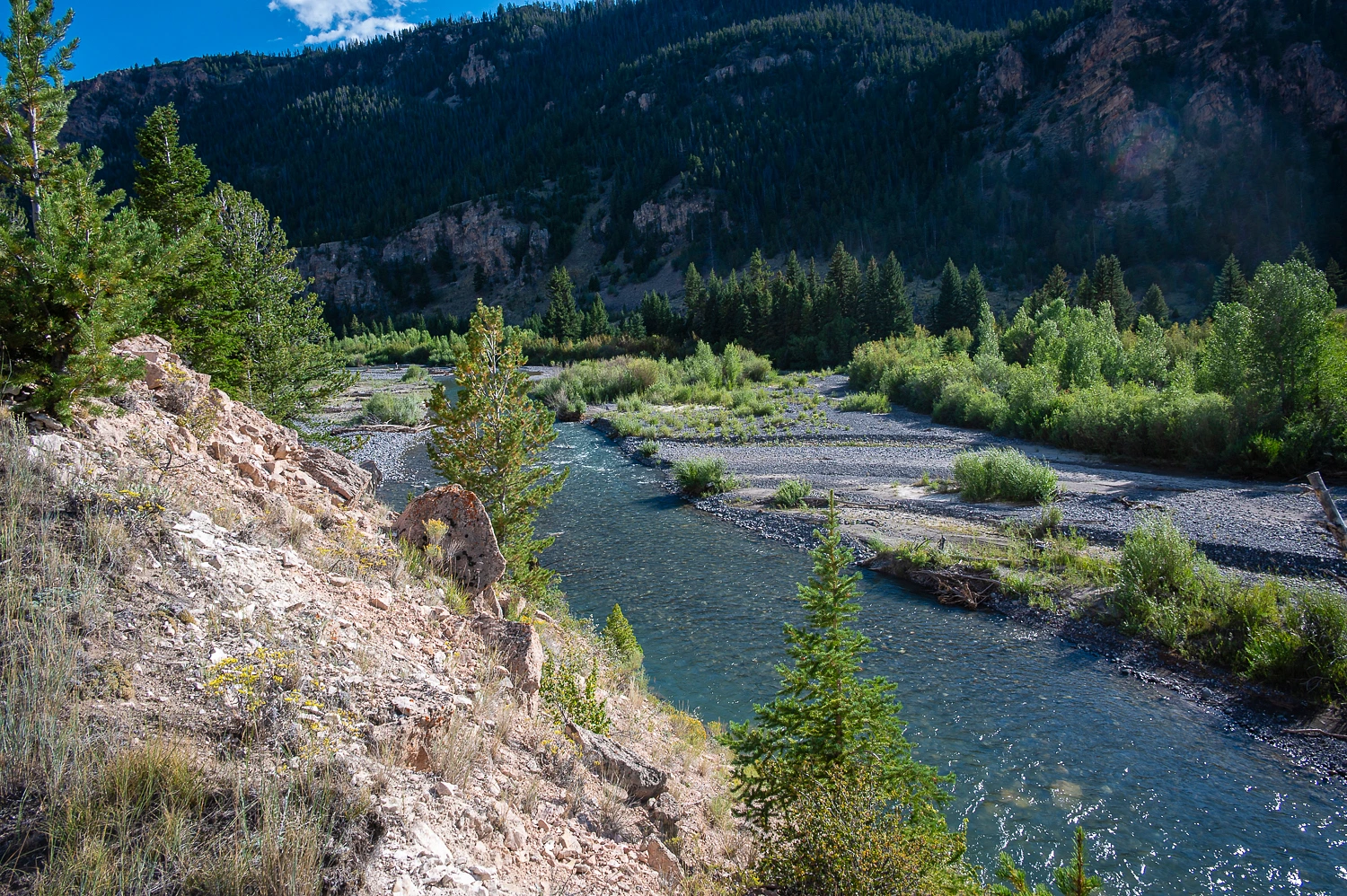
Three vehicles were coming in the next morning as we were driving out. One turned around when I told the driver how many vehicles were already at roads end. The Wiggins Fork is not a secret. Our next destination was to check out the upper access to the Wiggins Fort at Double Cabin Campground and the trailhead for the Washakie Wilderness. It is a long drive on dirt. A large storm was about to unleash its fury when we arrived.
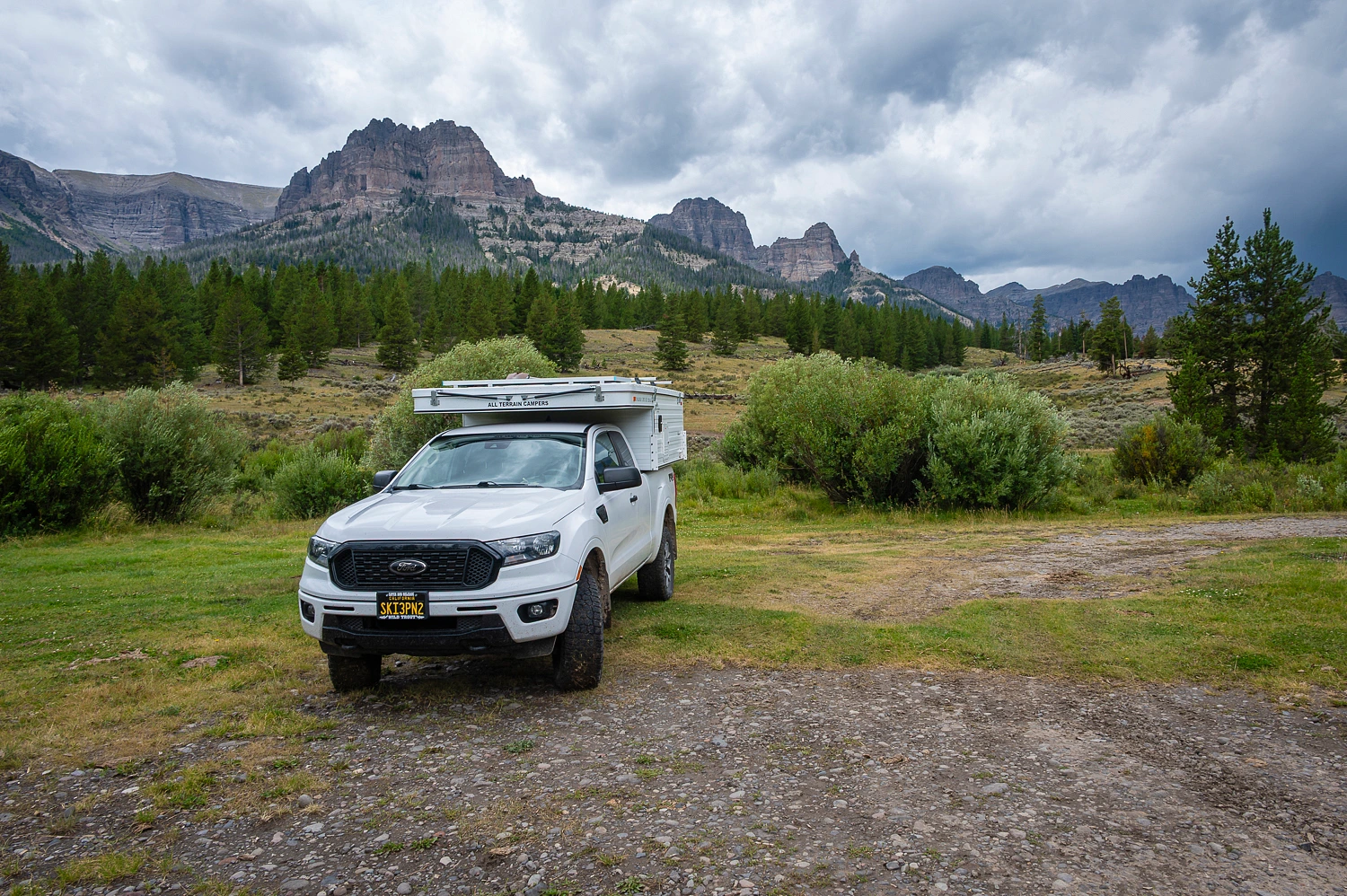
Fly shops guide up here and bring clients in with large side by sides. There were fly fishers all about.
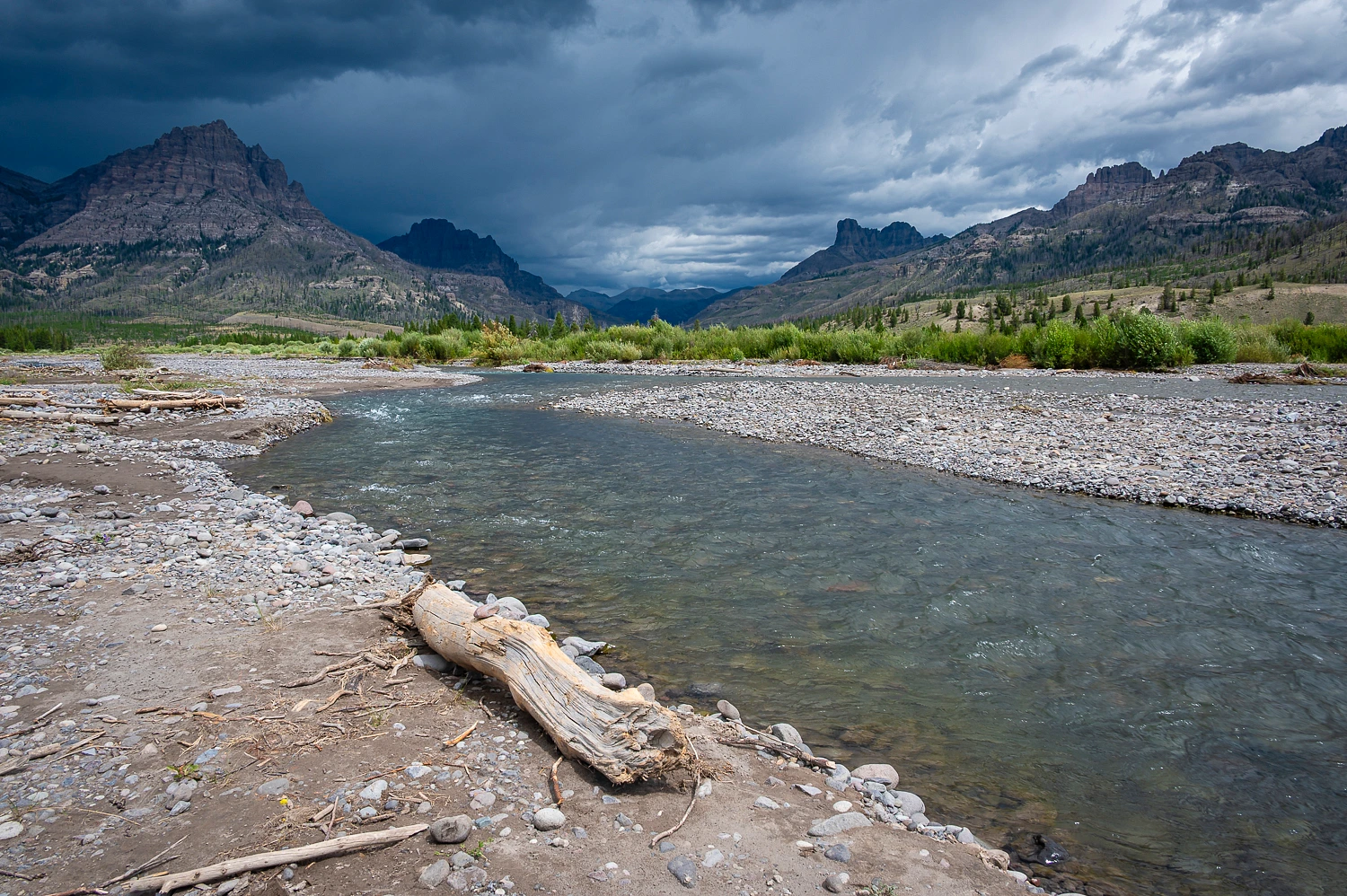
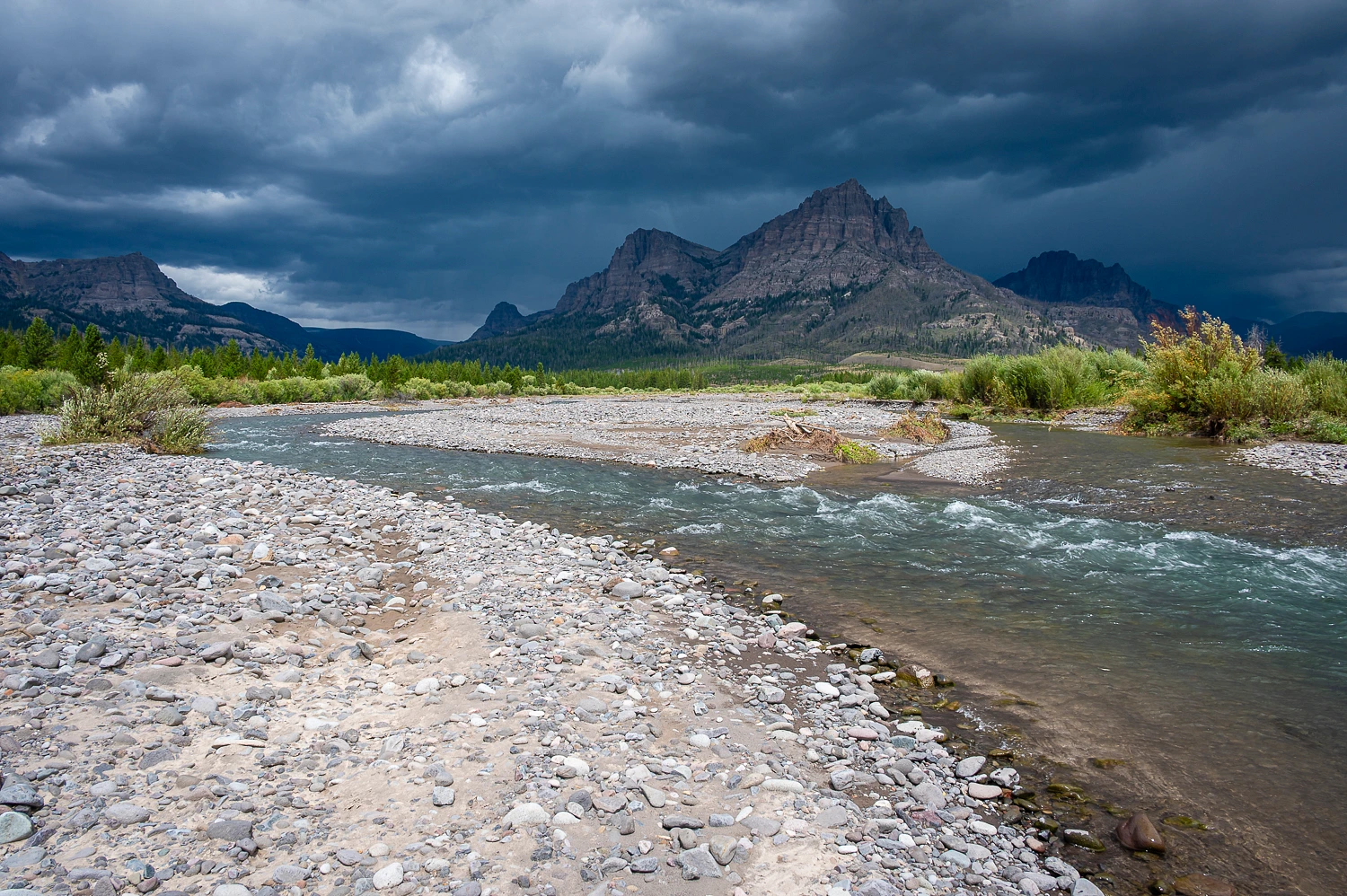
This place is beautiful, but again, very busy. It would be nice to spend time here exploring and fly fishing. We had thoughts of camping, but the number of people, and the storm, dashed those plans. Lightning strikes and peels of thunder circled us. It was time to go.
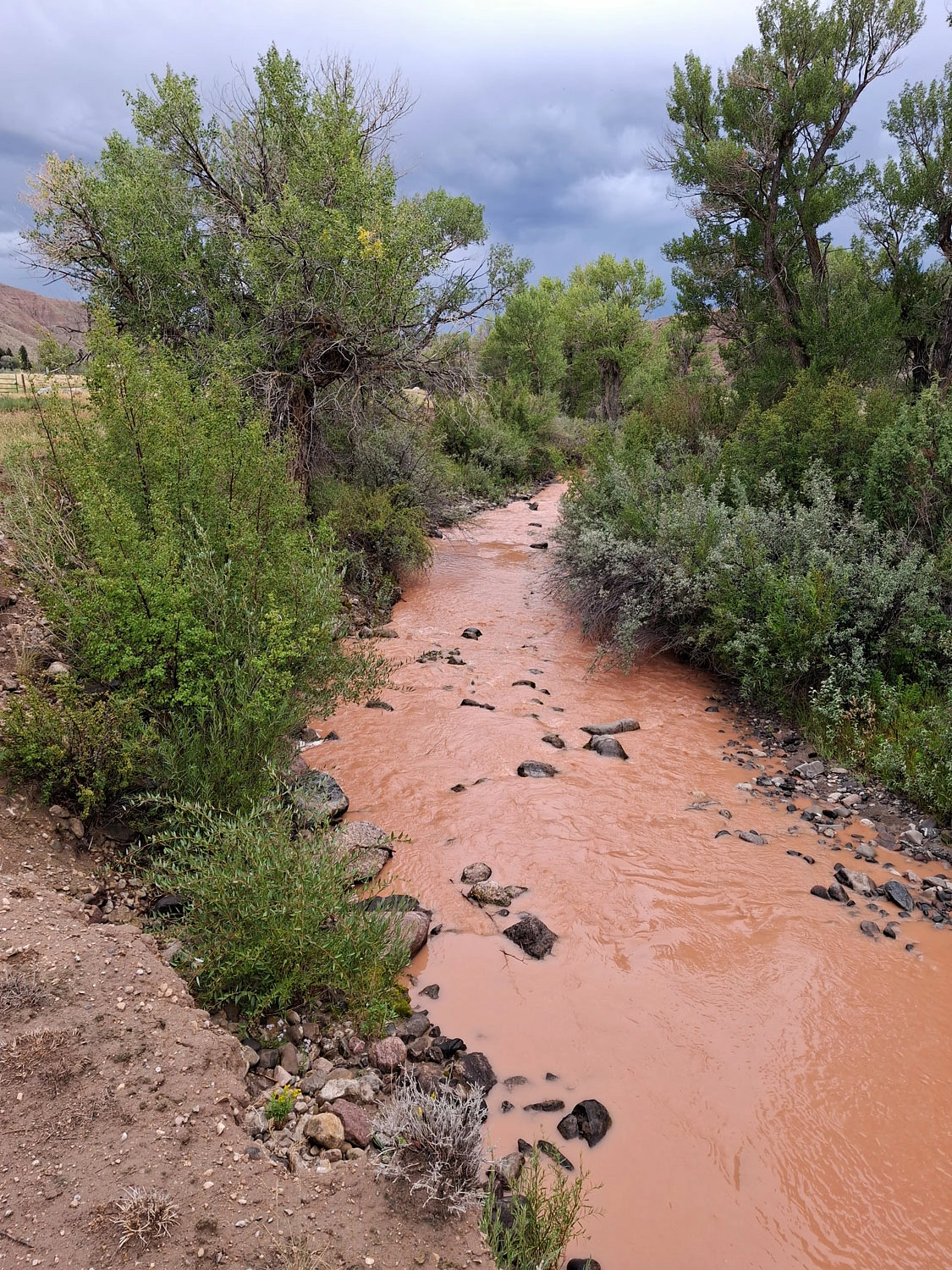
We found a free, empty camping area at the confluence of the East Fork and Bear Creek at a much lower elevation. The storm skirted us with wind and a few raindrops on the roof. Bear Creek, behind our camp, was blown out from the storm upcountry.
It cleared after dinner and we walked in the evening light. A large badger crossed right ahead of us and disappeared into its burrow, way too fast for a photo.
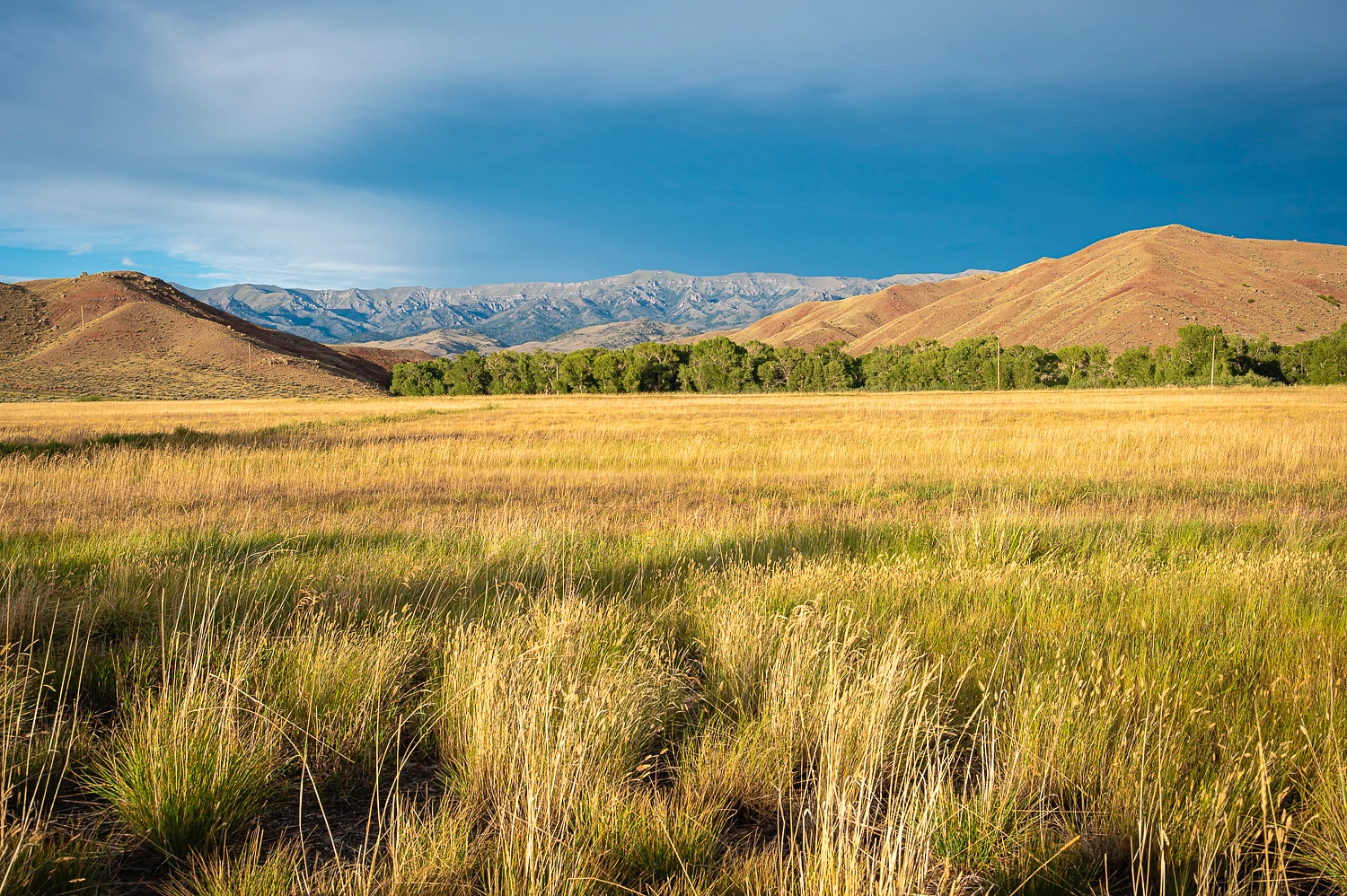
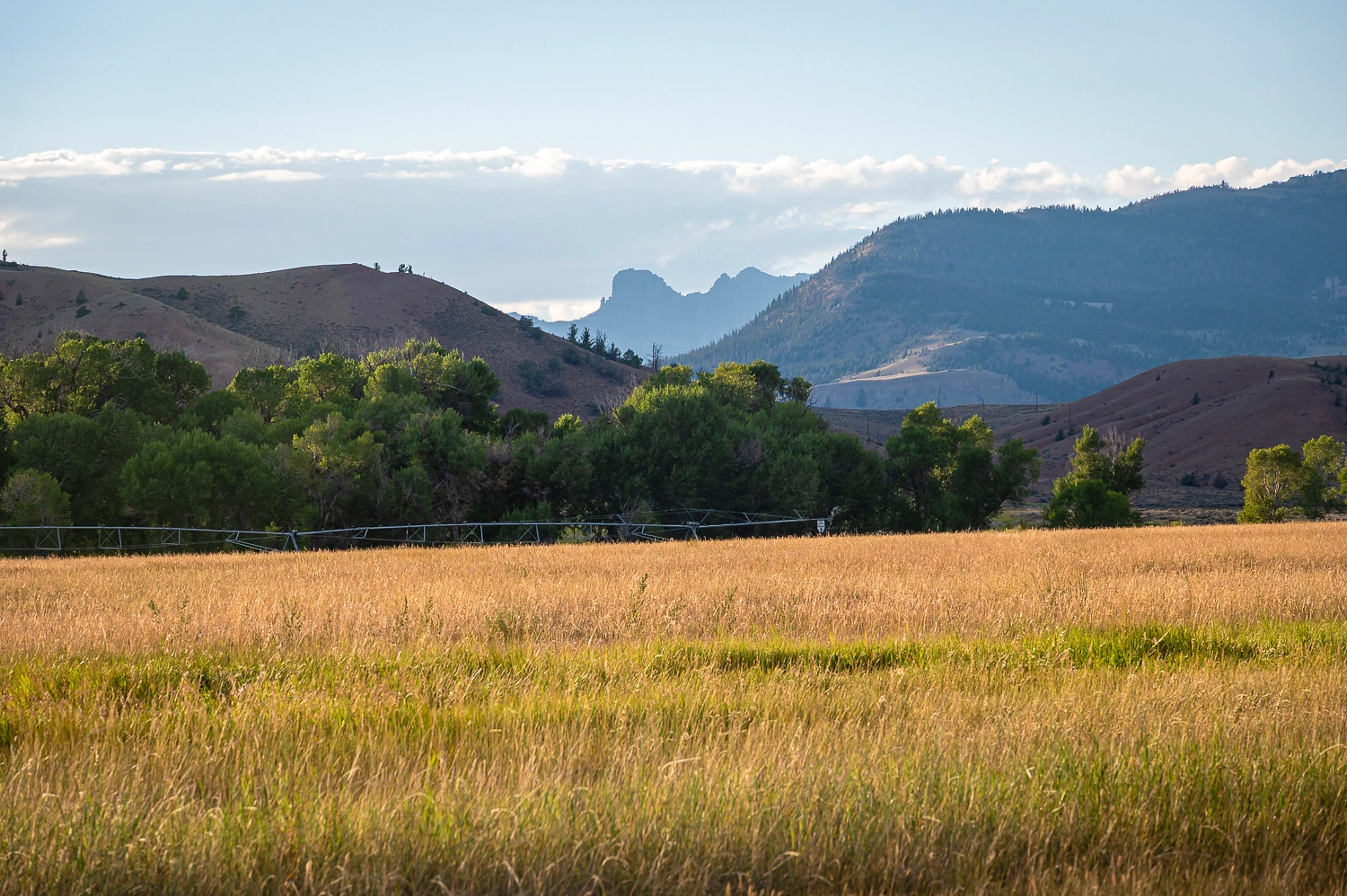
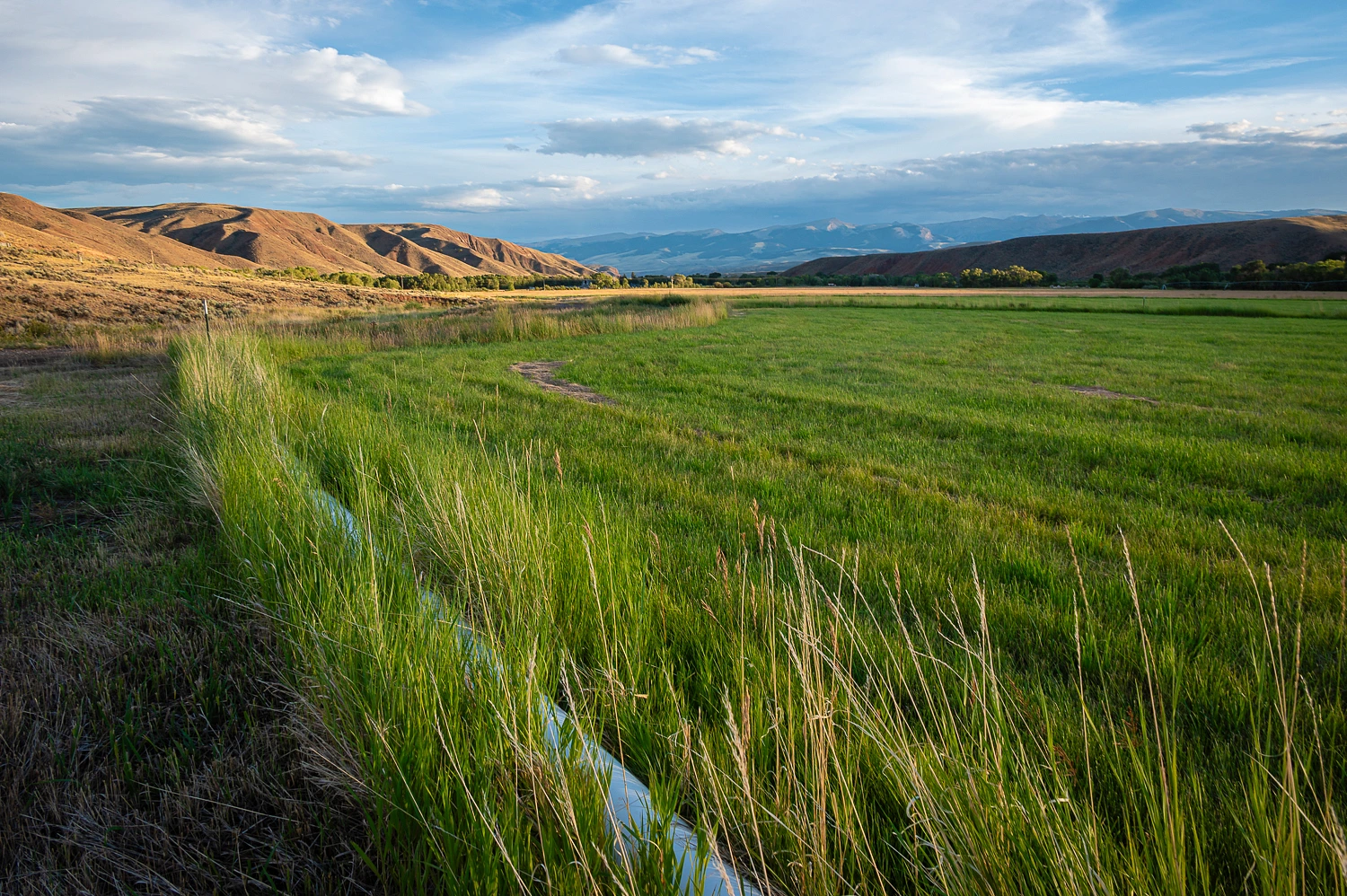
We slept well and had a pleasant night.
We returned to La Barge Creek, but this time below the barrier. There's more water here along with stories of large trout. It’s difficult fishing with the tight riparian vegetation. I had one large trout take my fly but it came off, on just long enough for me to feel its heft. Soon after, rain and storm caused us to put the gear away and move out.
We went south on highway 189 when we hit pavement. It was all dark clouds and flashes of lightning to the north.
An access point to the Green River that allowed camping gave us a nice spot to spend the night. Coyotes and sandhill cranes turned up the volume as we walked along the Green before turning in.
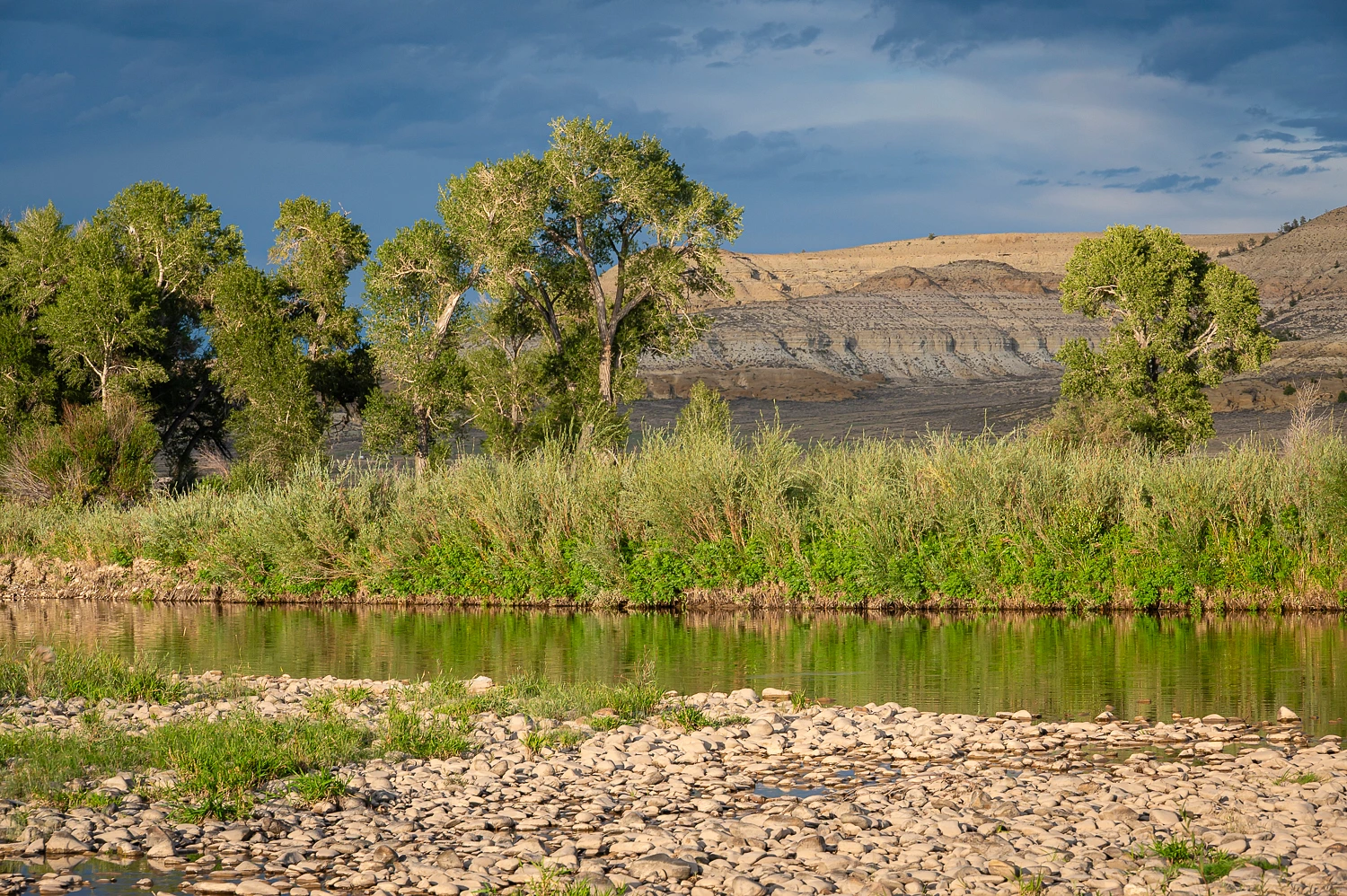
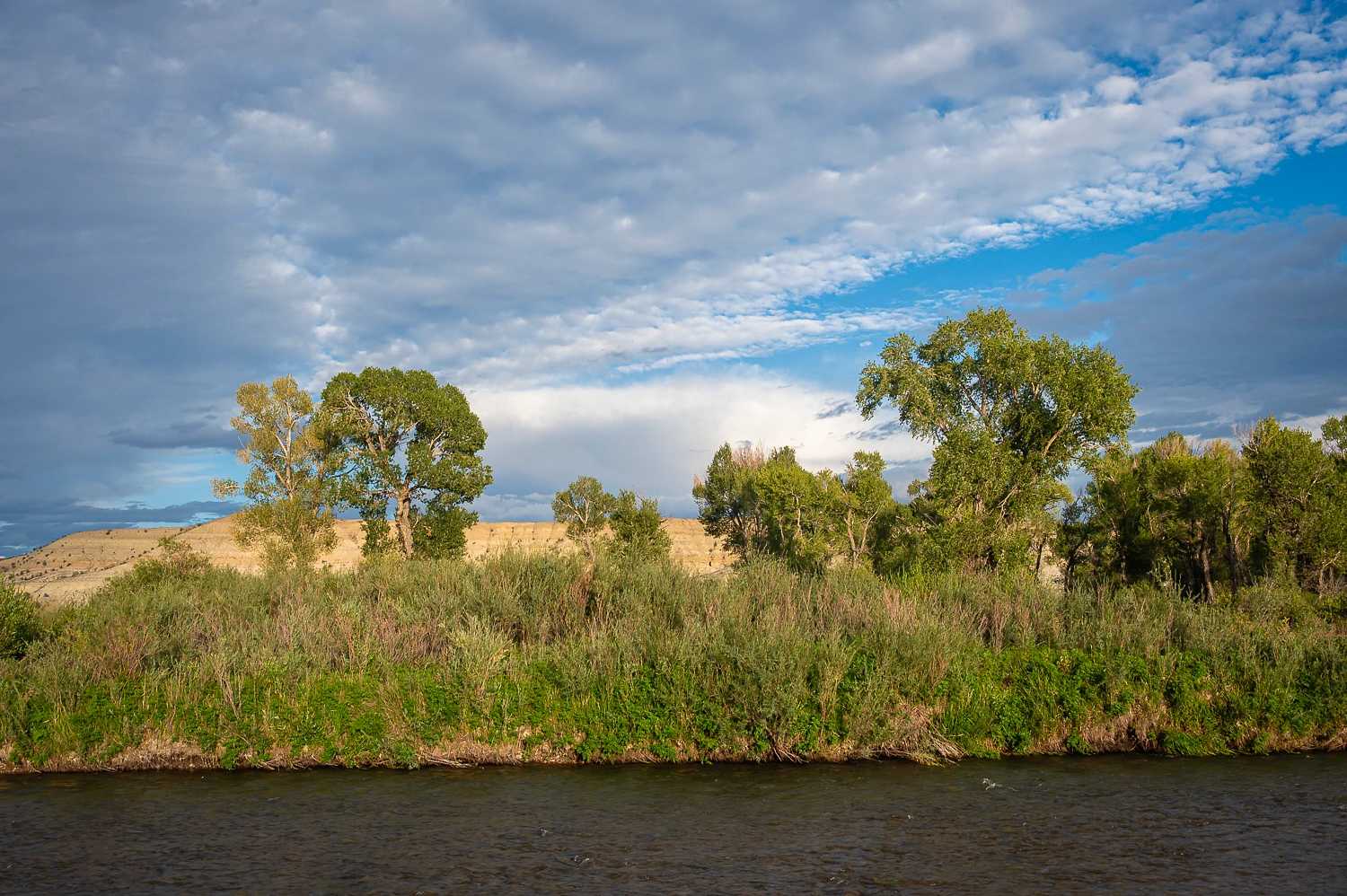
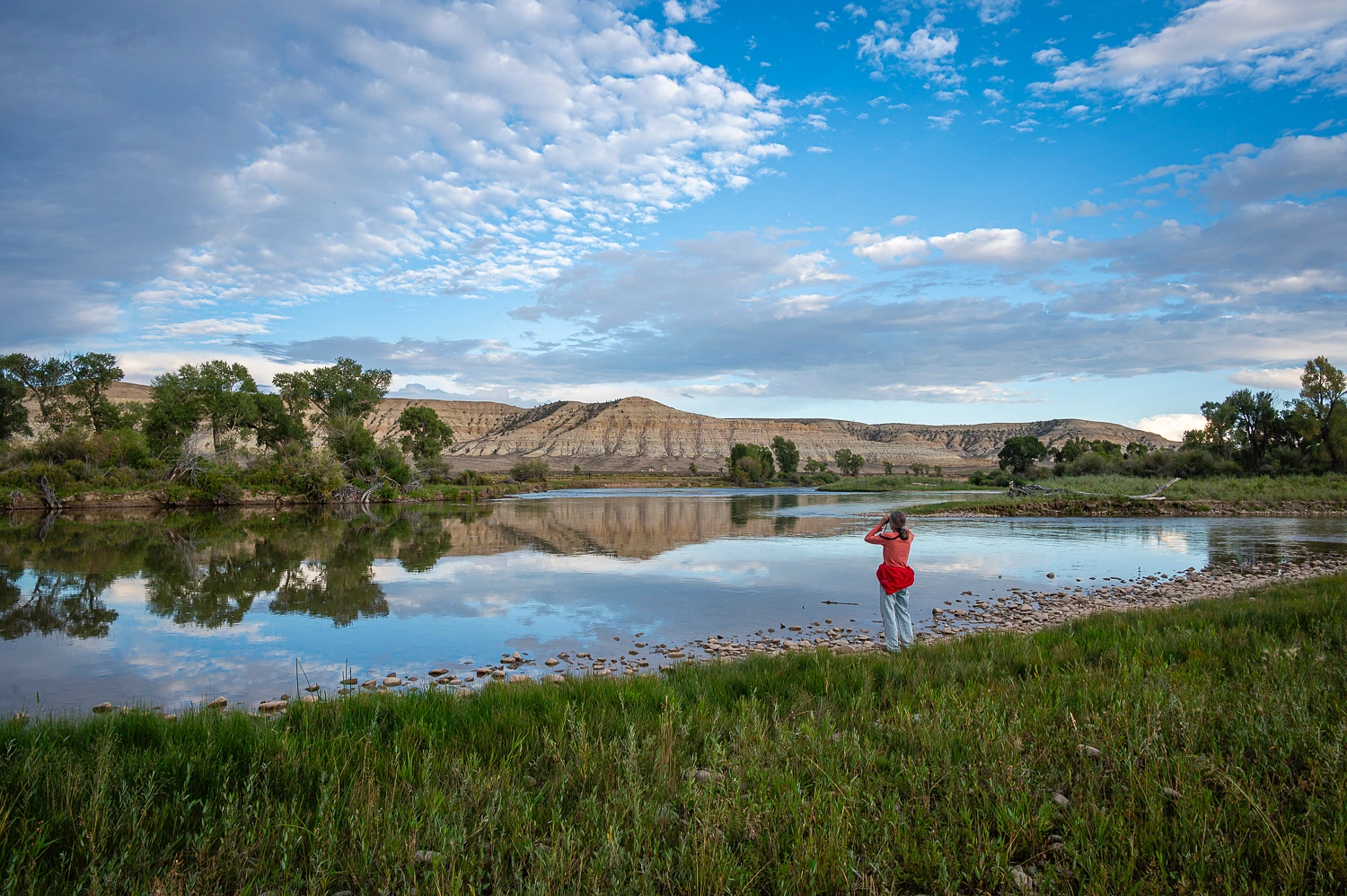
We stopped at Names Hill at dawn the next morning.
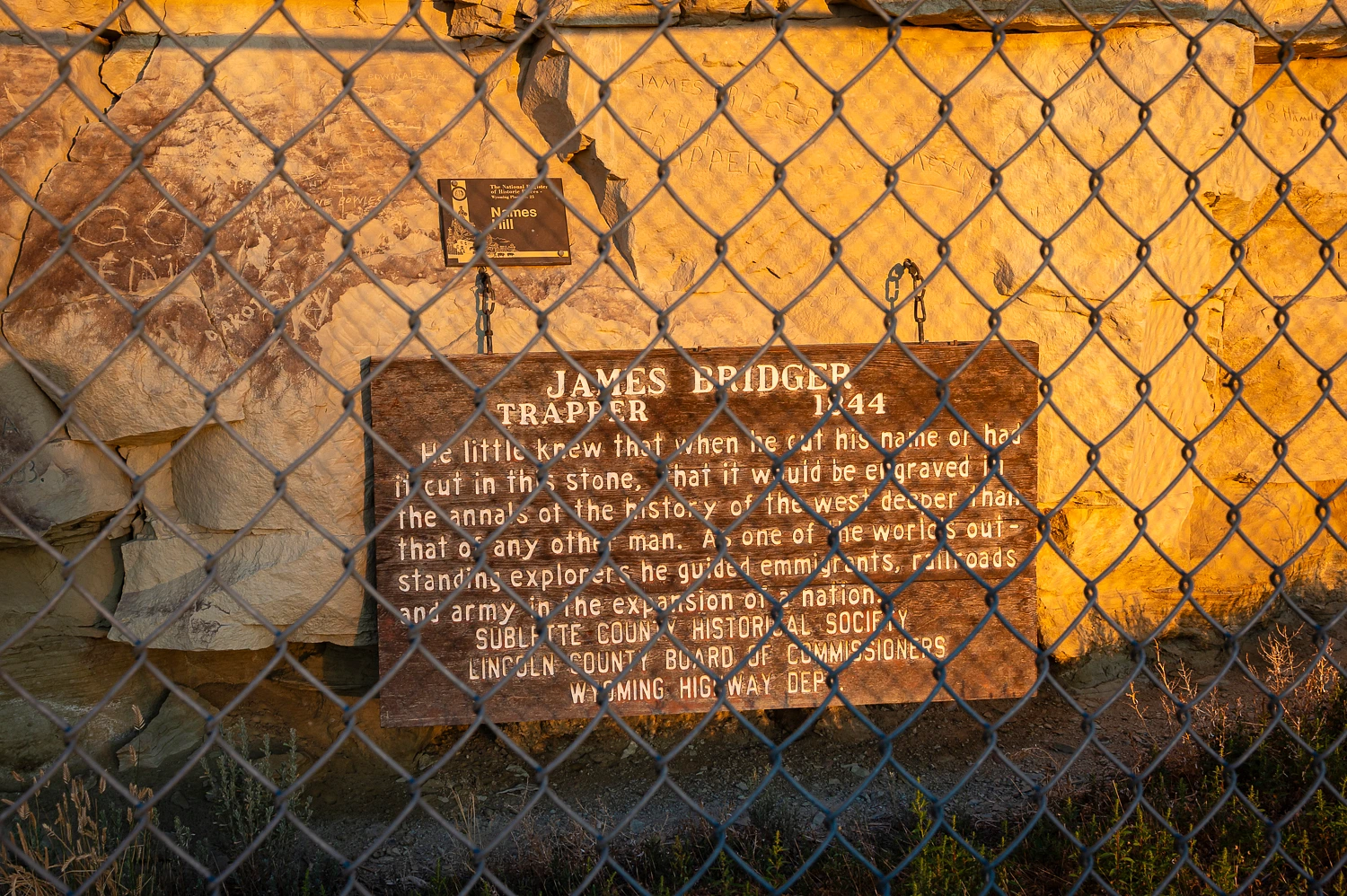
The famous 1844 inscription by the mountain man, Jim Bridger.
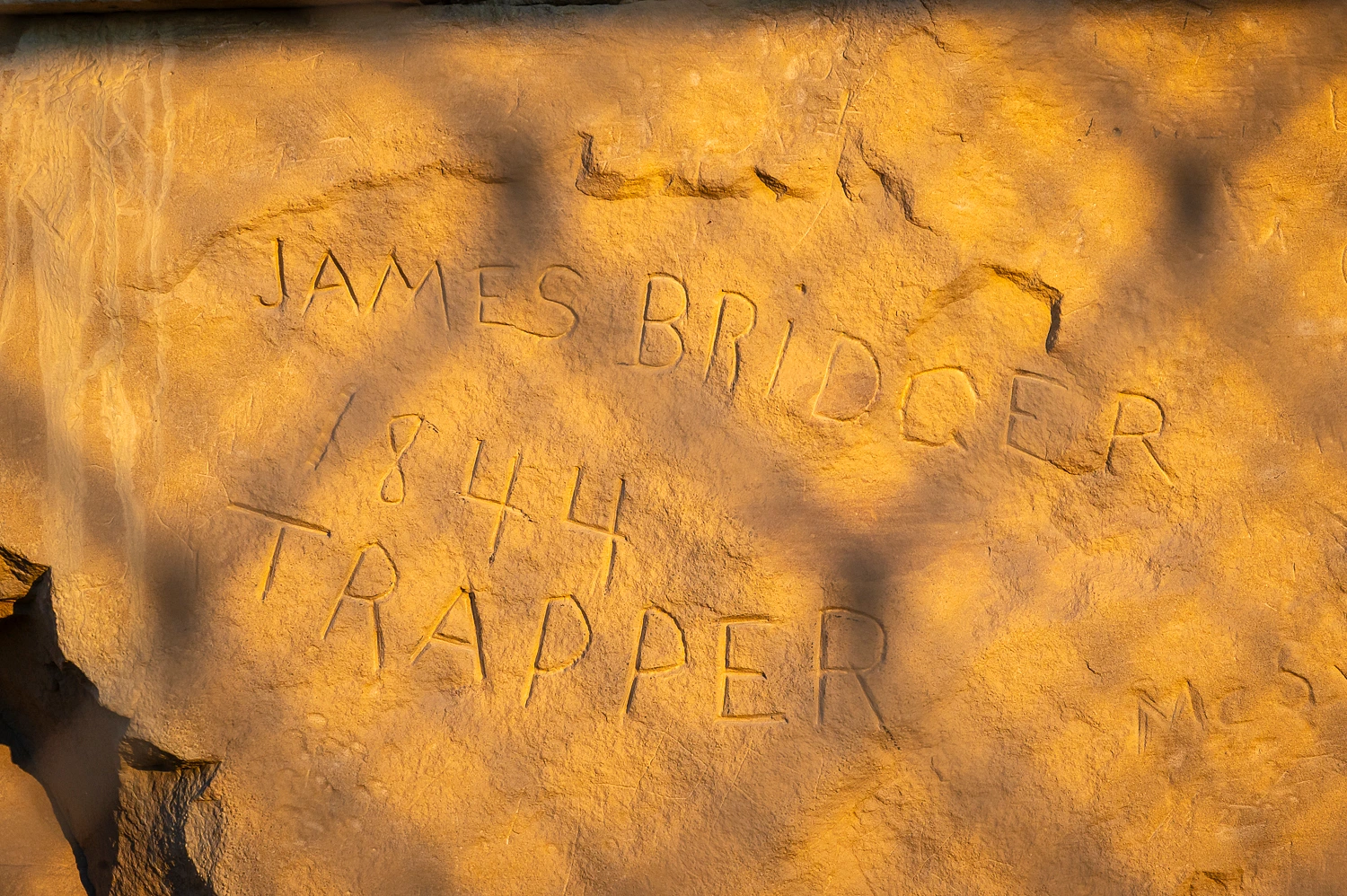
If I ever get around to it, on my “to do list” is to research and try to find evidence that my great great grandfather, Sam Hendricks, traveled with Jim Bridger on the Bridger Trail in 1864. Sam left his wife and children behind at the freighting business he owned in Iowa City and headed for California on the Overland Trail. Near Casper, Wyoming, he heard the stories spreading about the new gold strikes at Virginia City in Idaho Territory - soon to become Montana. Sam decided to go to Virginia City. This was right at the time Bridger led the first group on the Bridger Trail to Virginia City. Sam, to my knowledge, did not keep a journal. He did not like Virginia City or Bannack and soon returned to Iowa City. He moved the family north to Richland County, Wisconsin and was one of the first settlers there.
We were headed to Idaho and the most incredible day of fly fishing of this trip. Our adventure continues. Please click here for the final Part Four.

No comments:
Post a Comment