
Please remember that you can click on a photo to see a larger version, and that highlighted text is linked to additional information.
Please click here for Part Three
Forks
After our goodbyes to our friends - and after a refreshing detour to Fields Station - we turned north in hopes of cooler temperatures. It had turned hot. We’ve made a couple of trips in the past, exploring the upper forks of the John Day River. It was a long drive, but it was worth it when we reached the end of the road.
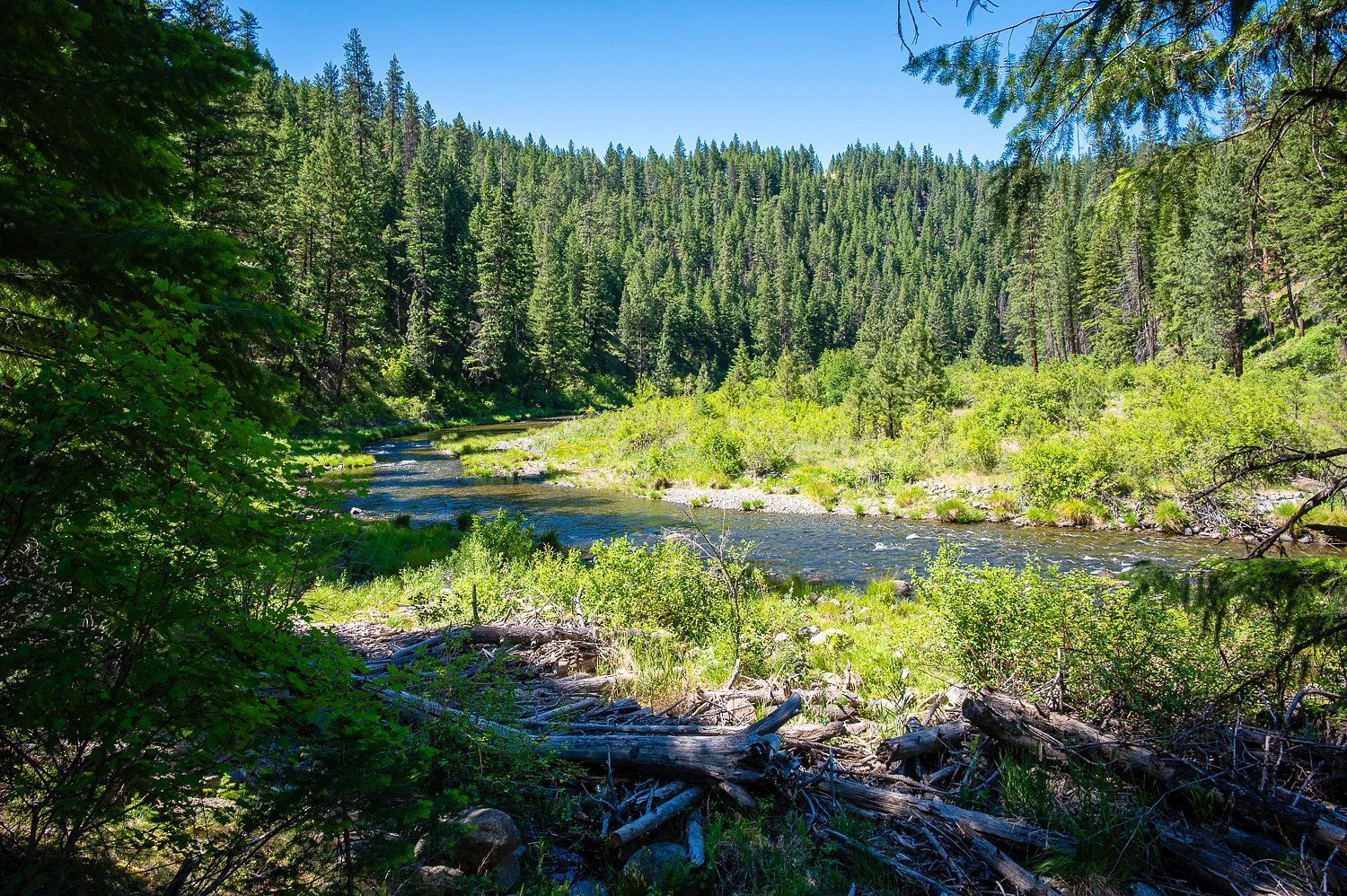
We were back at home - and alone.
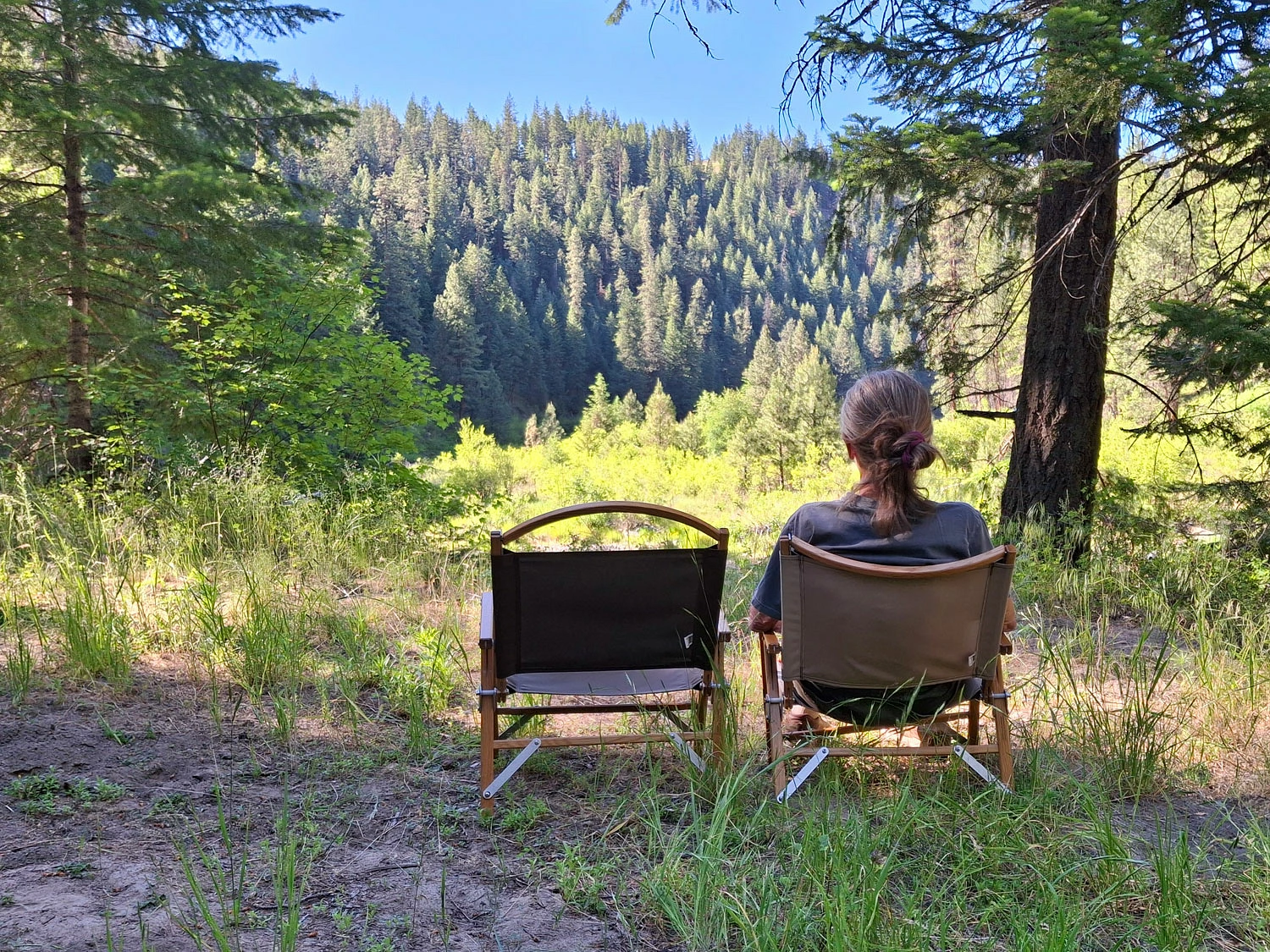
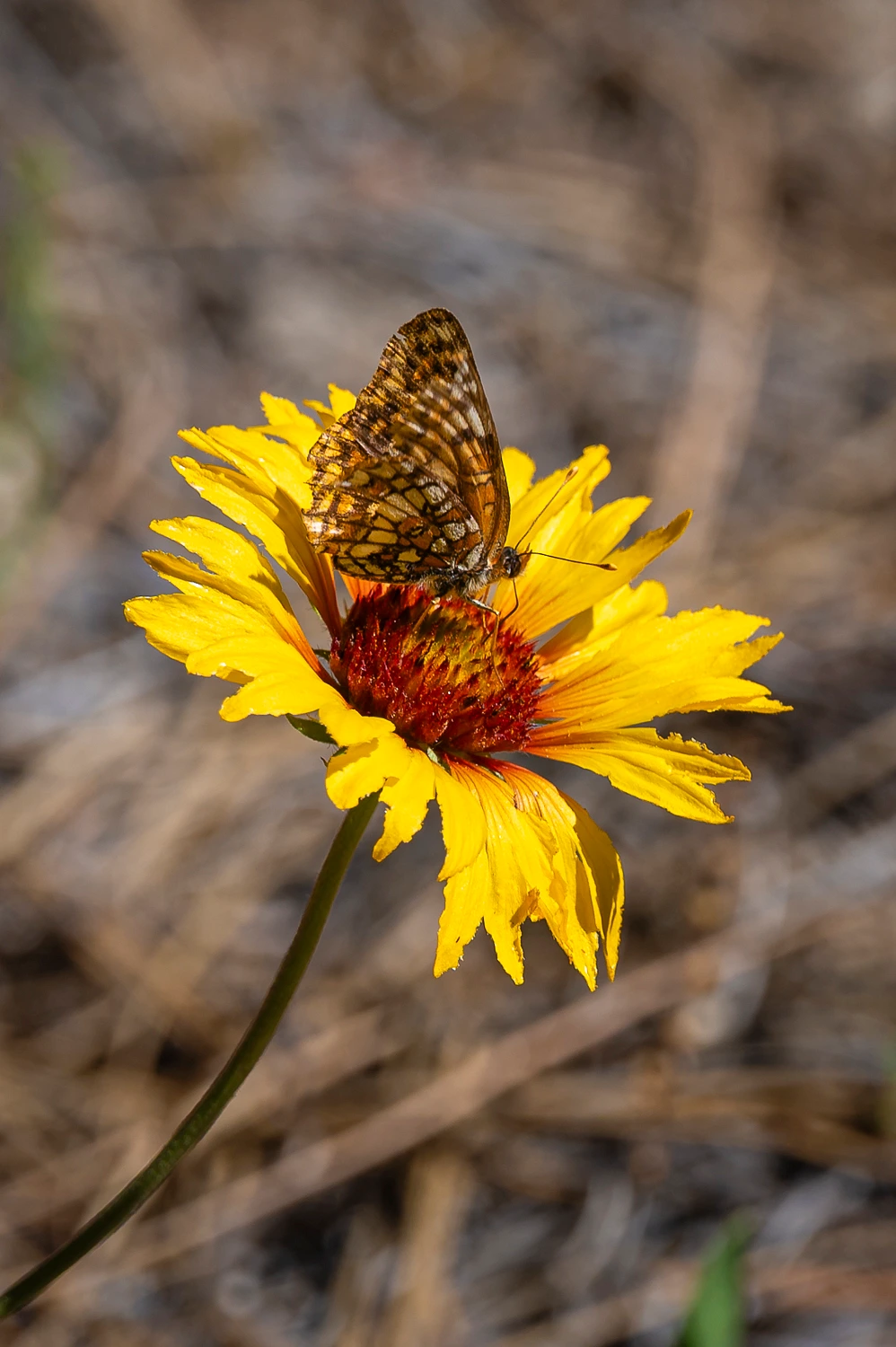
We explored up the river in the late afternoon. A trail parallels it. As always, if you look close, discoveries are all around.
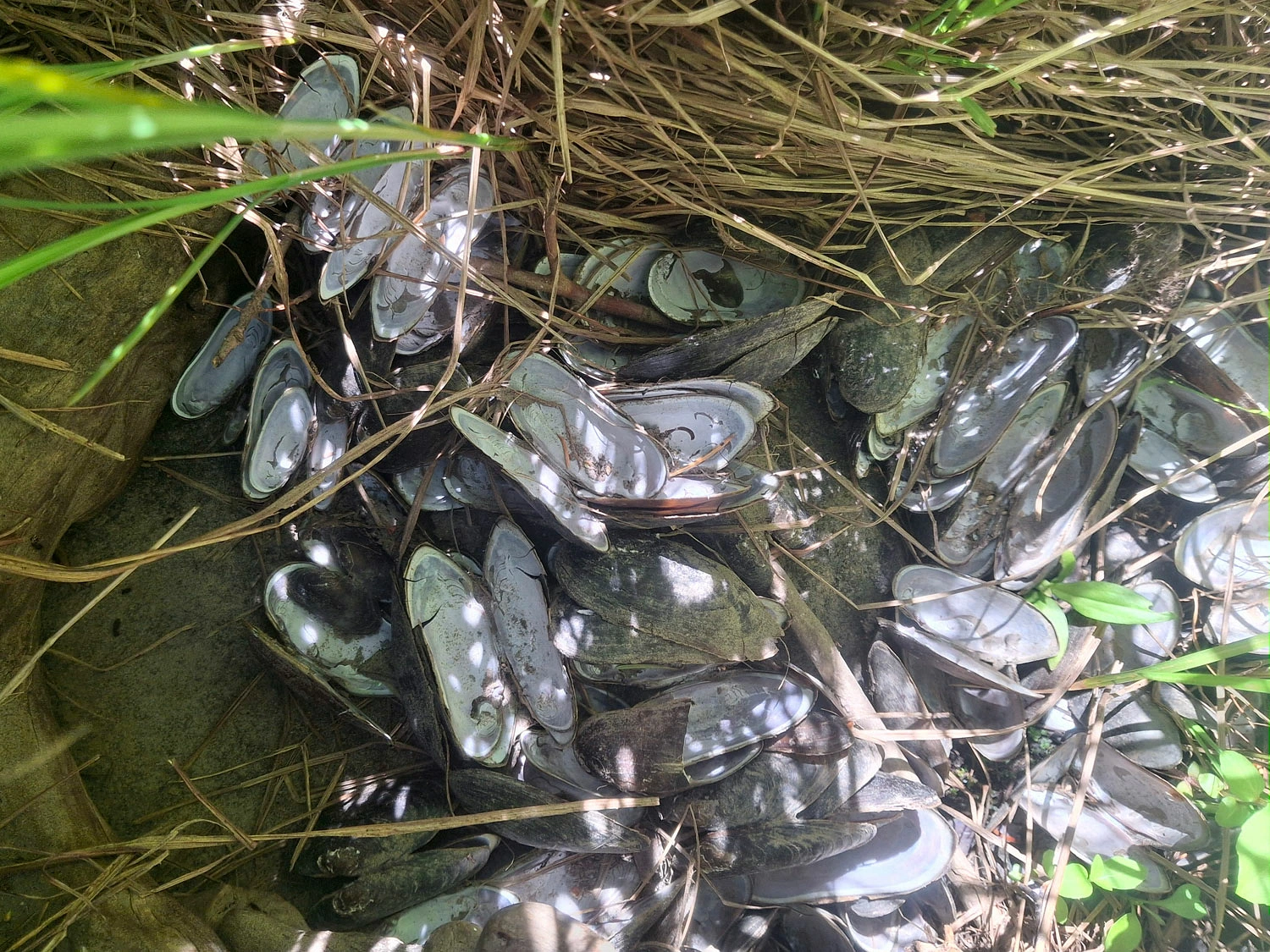
Piles of freshwater mussels lay along the shore where river otters had feasted.
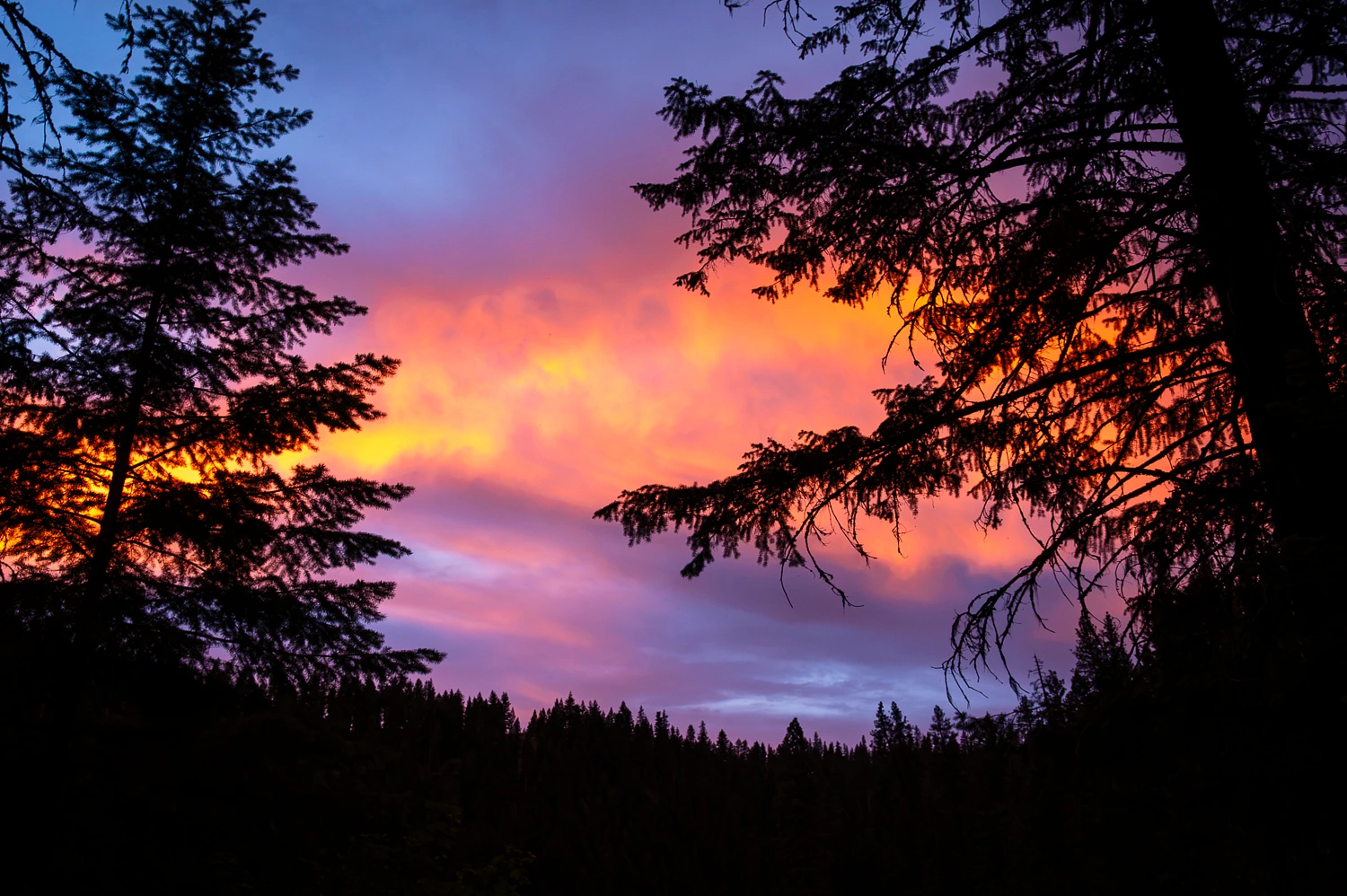
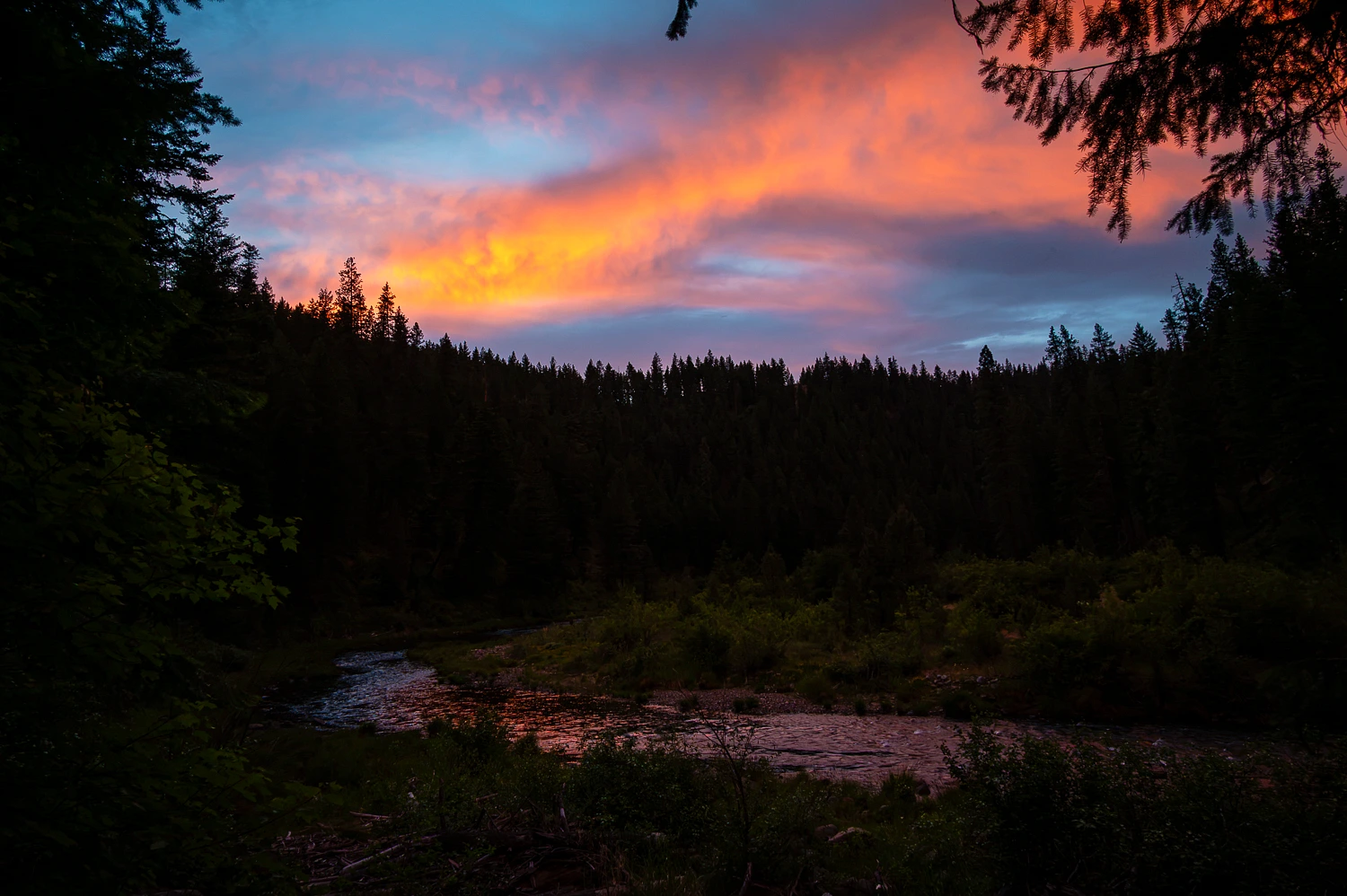
We were rewarded with solitude and beautiful evening light.
The next day was devoted to fly fishing.
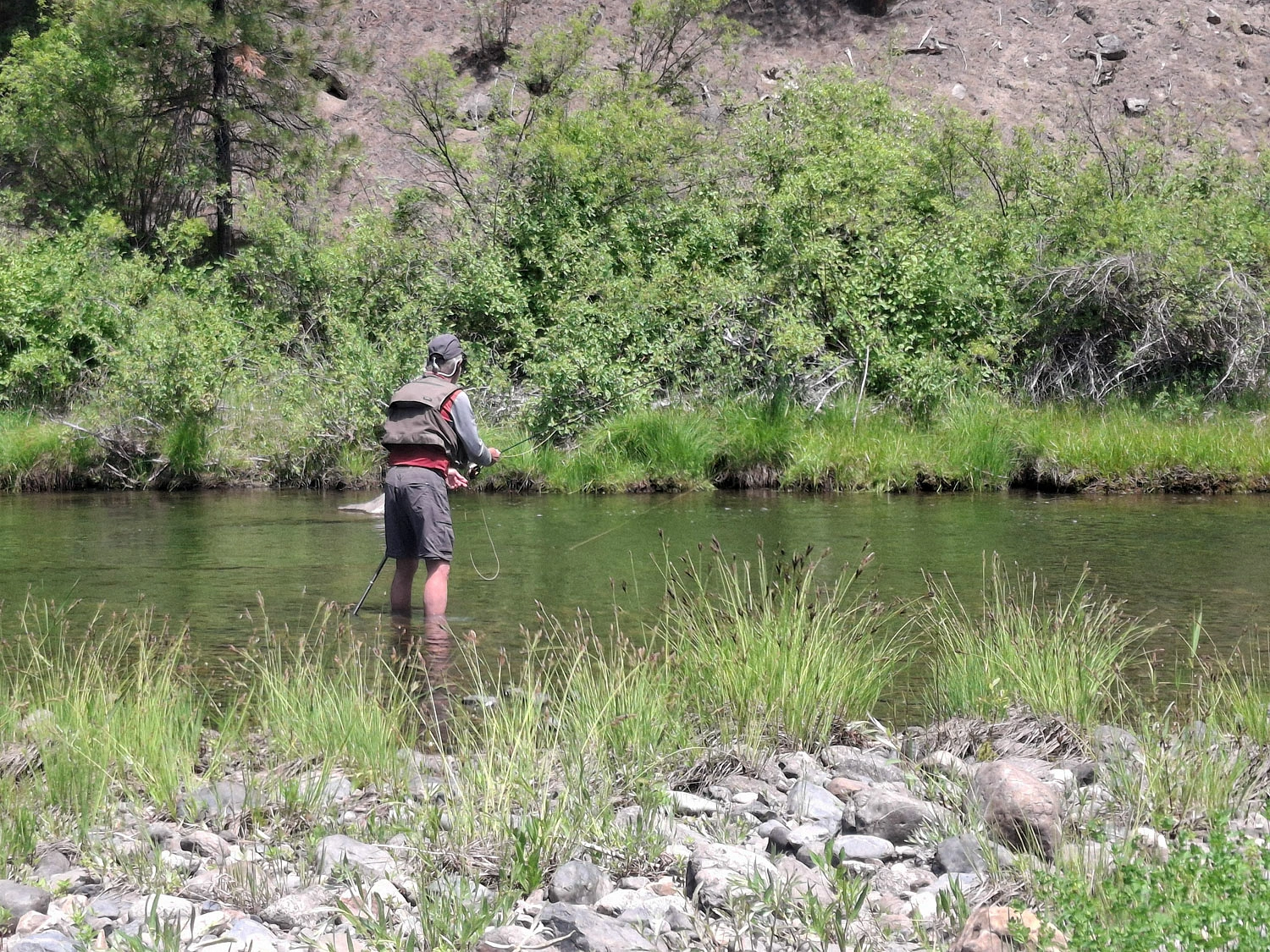
We caught a couple of small rainbows that we hoped were juvenile steelhead. Nothing much else. We saw no larger fish. We are both tolerant of cold and prefer to wet wade. We both have Korker Wading Sandals. The interchangeable sole that came with the sandals - especially here - left us slipping and sliding. A wading staff or trekking poles were a must, but this was sapping a lot of energy and was very tiring. But we kept at it with the hope that a trout would rise.
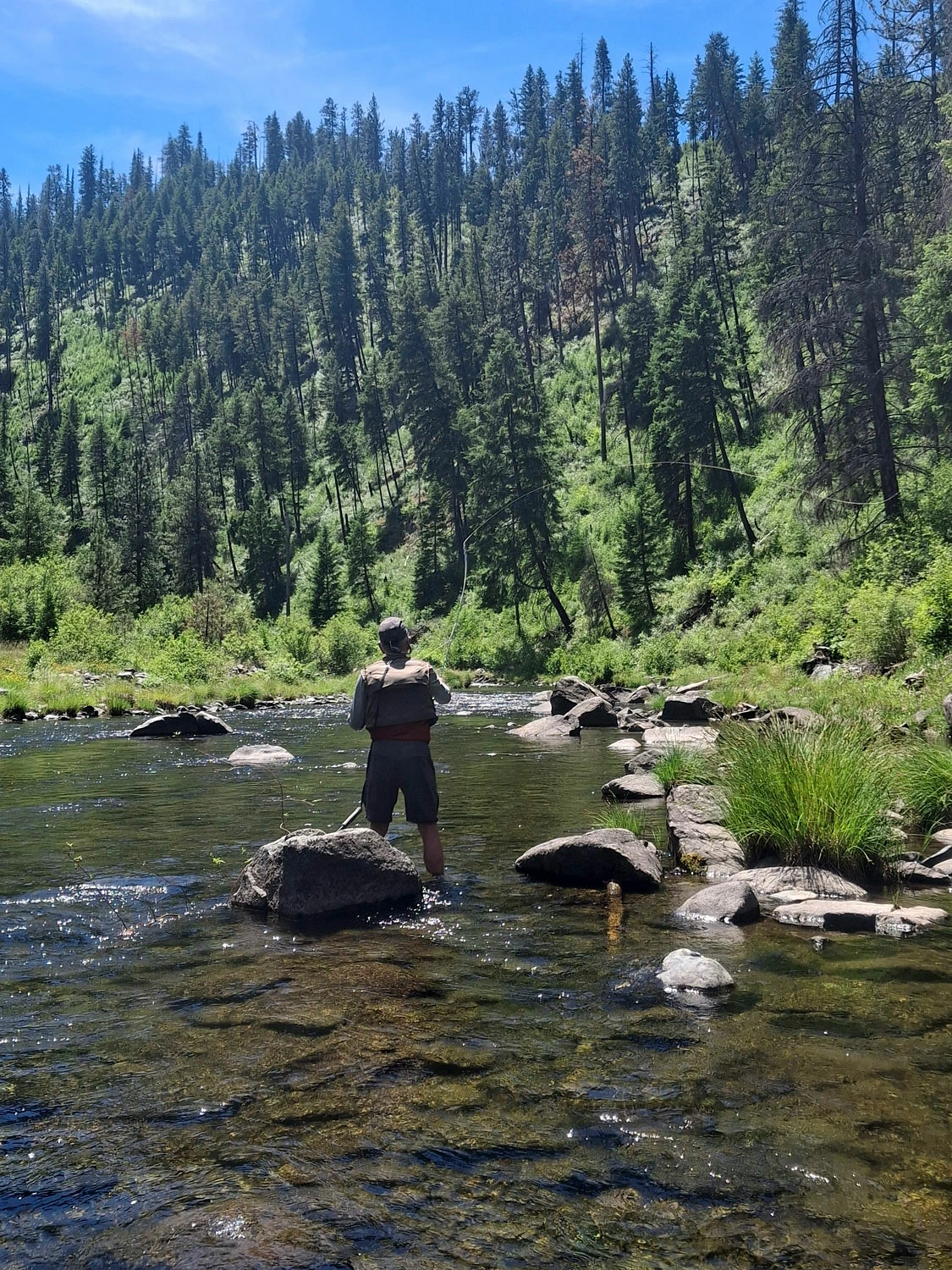
After a couple of miles working up the river, it was time to quit. We climbed up to the trail and walked up the canyon to the Wilderness boundary to finish off the afternoon.
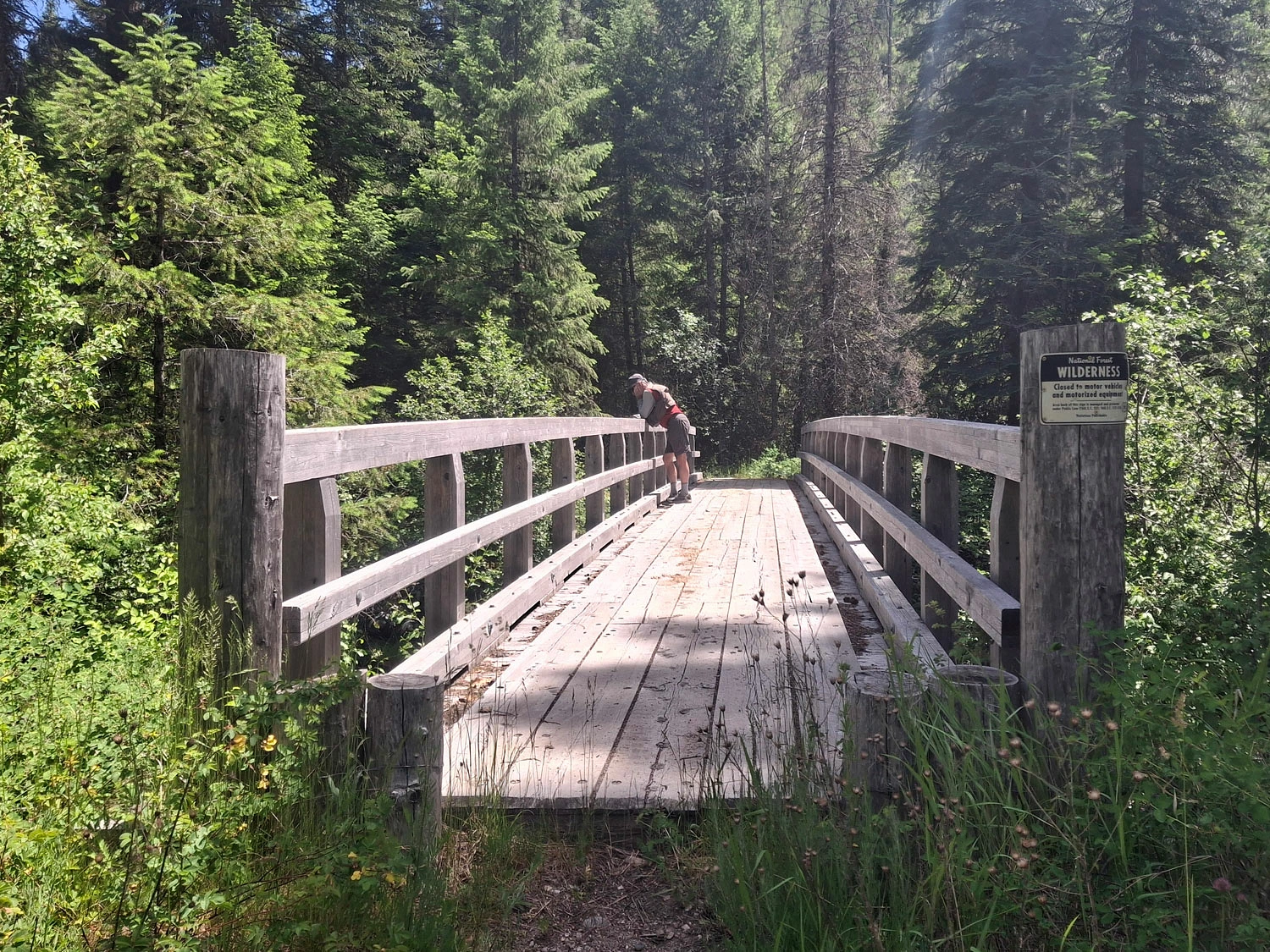
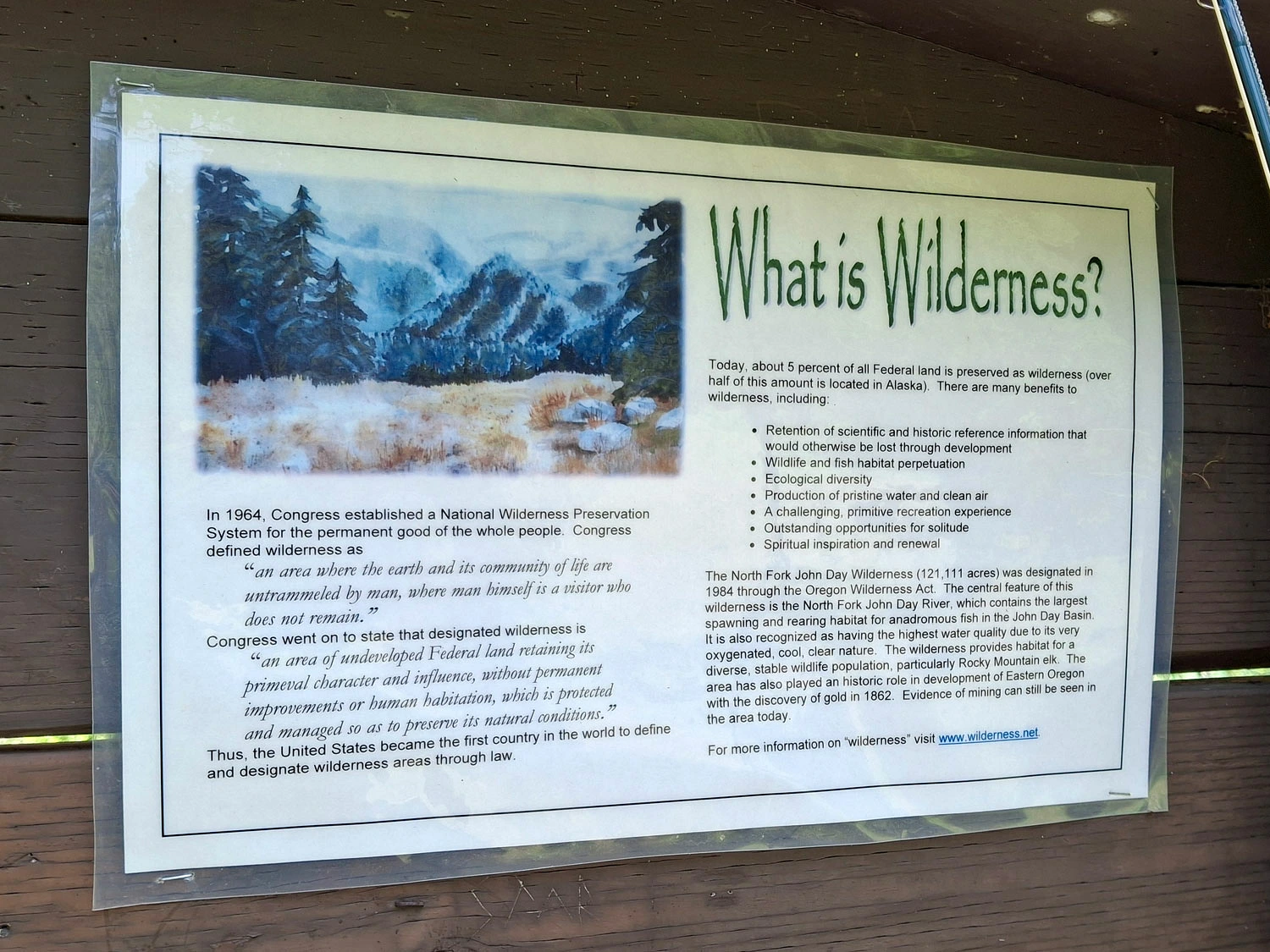
We turned around and hiked the 4 or 5 miles back to the deer blind.
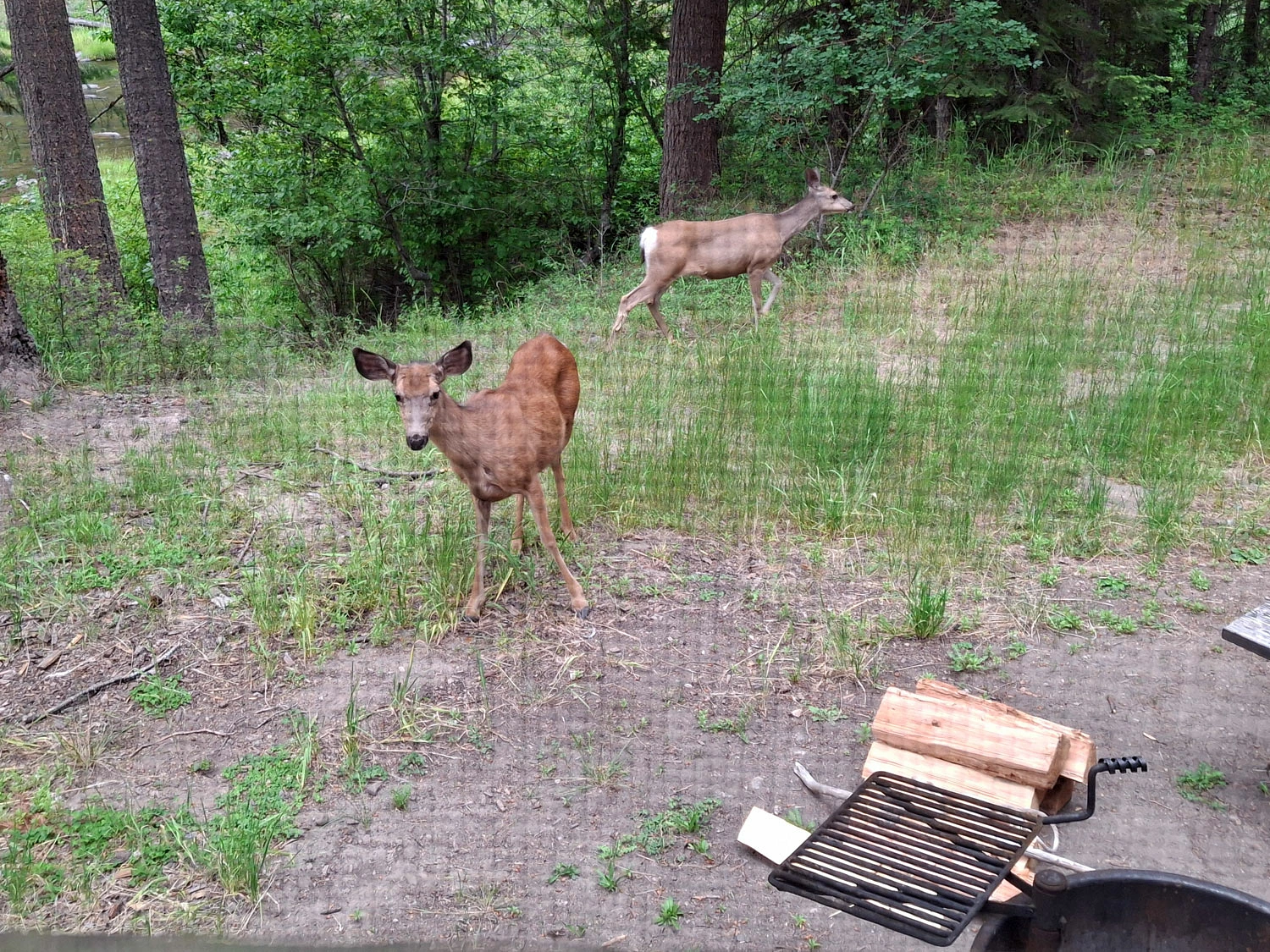
We’ve learned over the years that the small white box in the truck bed - our camper and deer blind - does not disturb deer but they will react to noises and movement from inside.
Even wading in the river, it was hot so we decided to move even higher in elevation for cooler temperatures. We enjoyed a prior stay at the small campground on the upper North Fork of the John Day. A nice campsite was available and we settled in. The Lady announced it was time for another long hike, the plan for the following day.
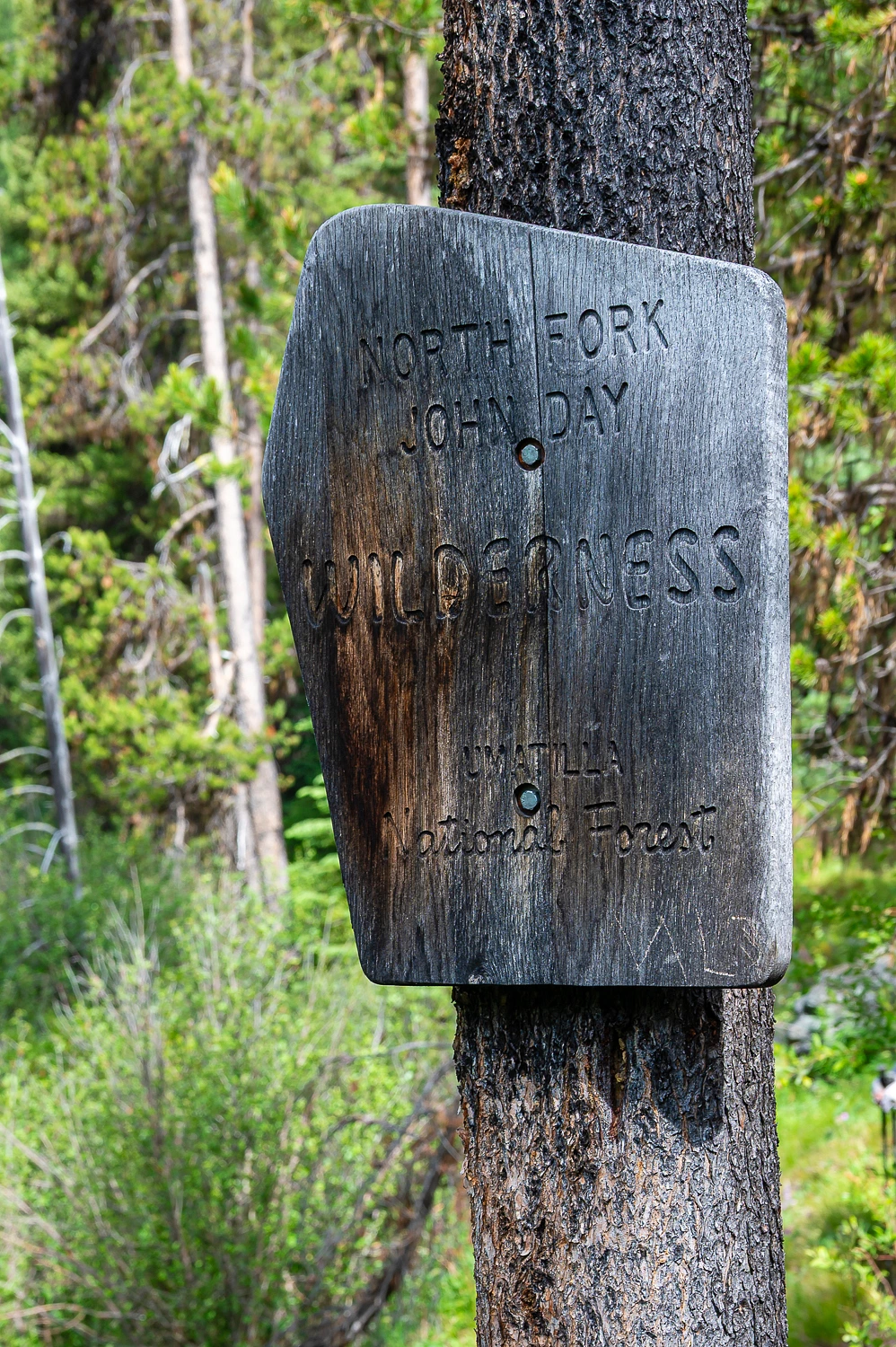
The trail down the North Fork soon enters the North Fork John Day Wilderness.
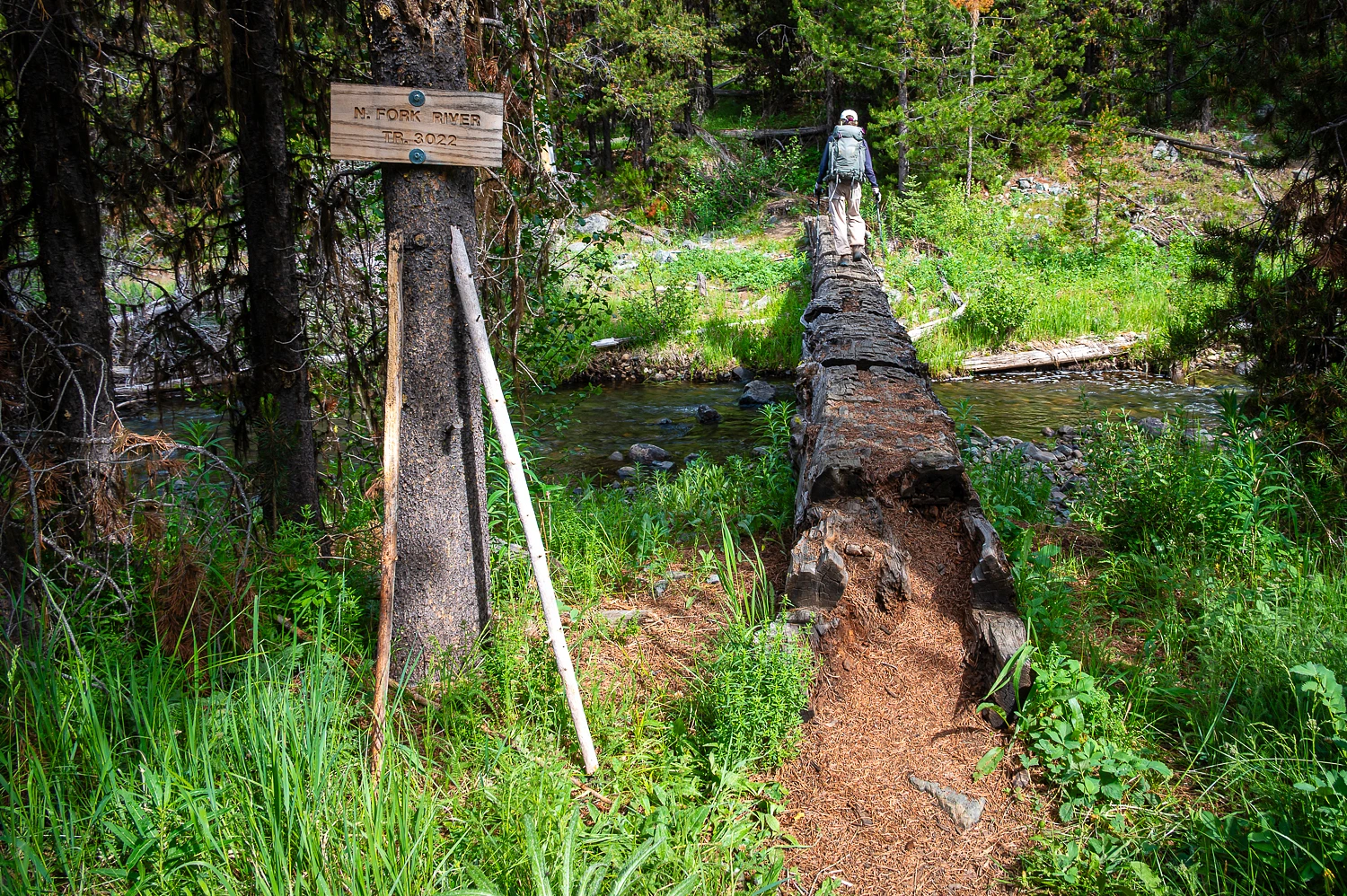
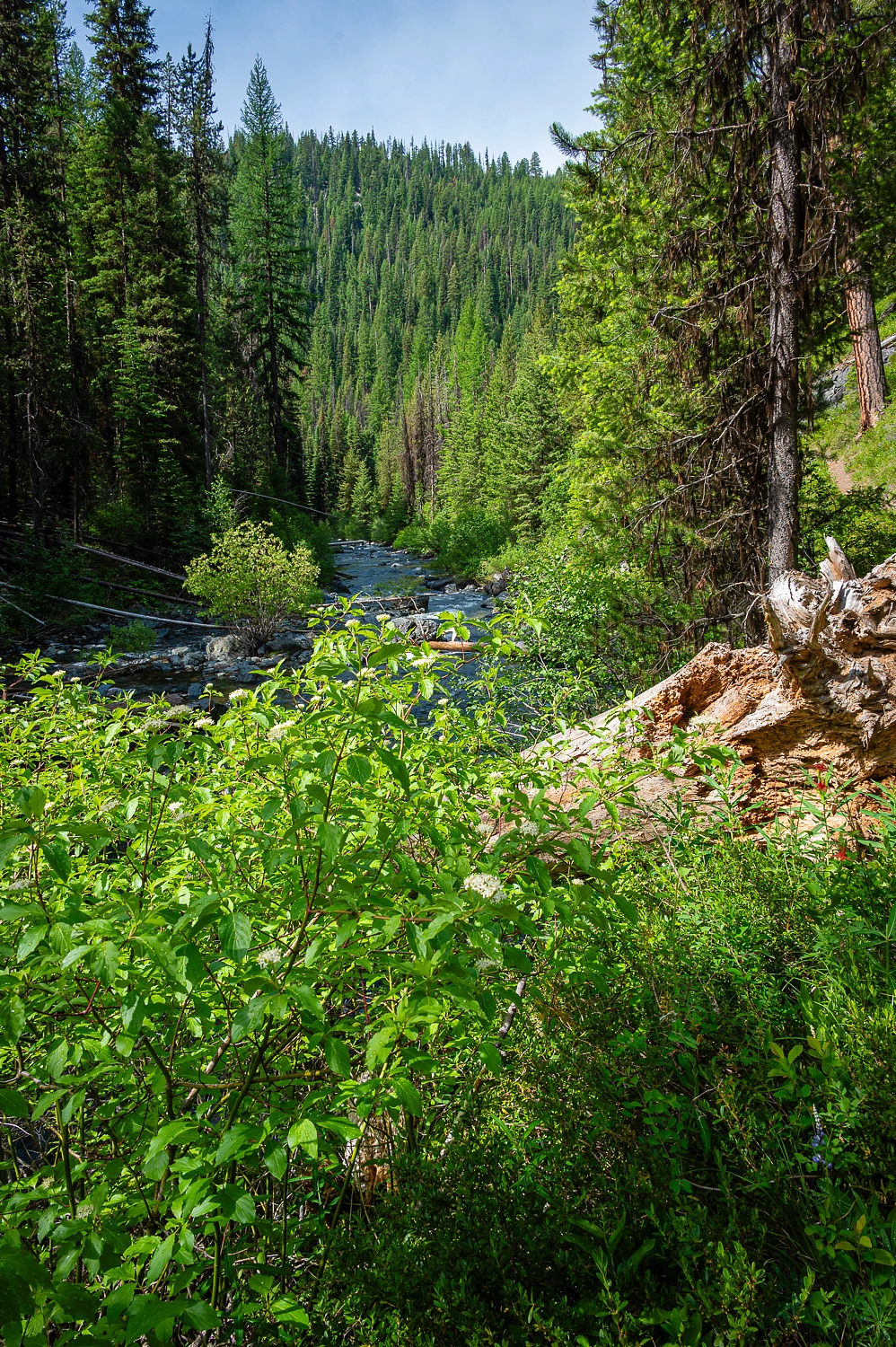
The drainage was more of a canyon than we expected. There was not much access to the river.
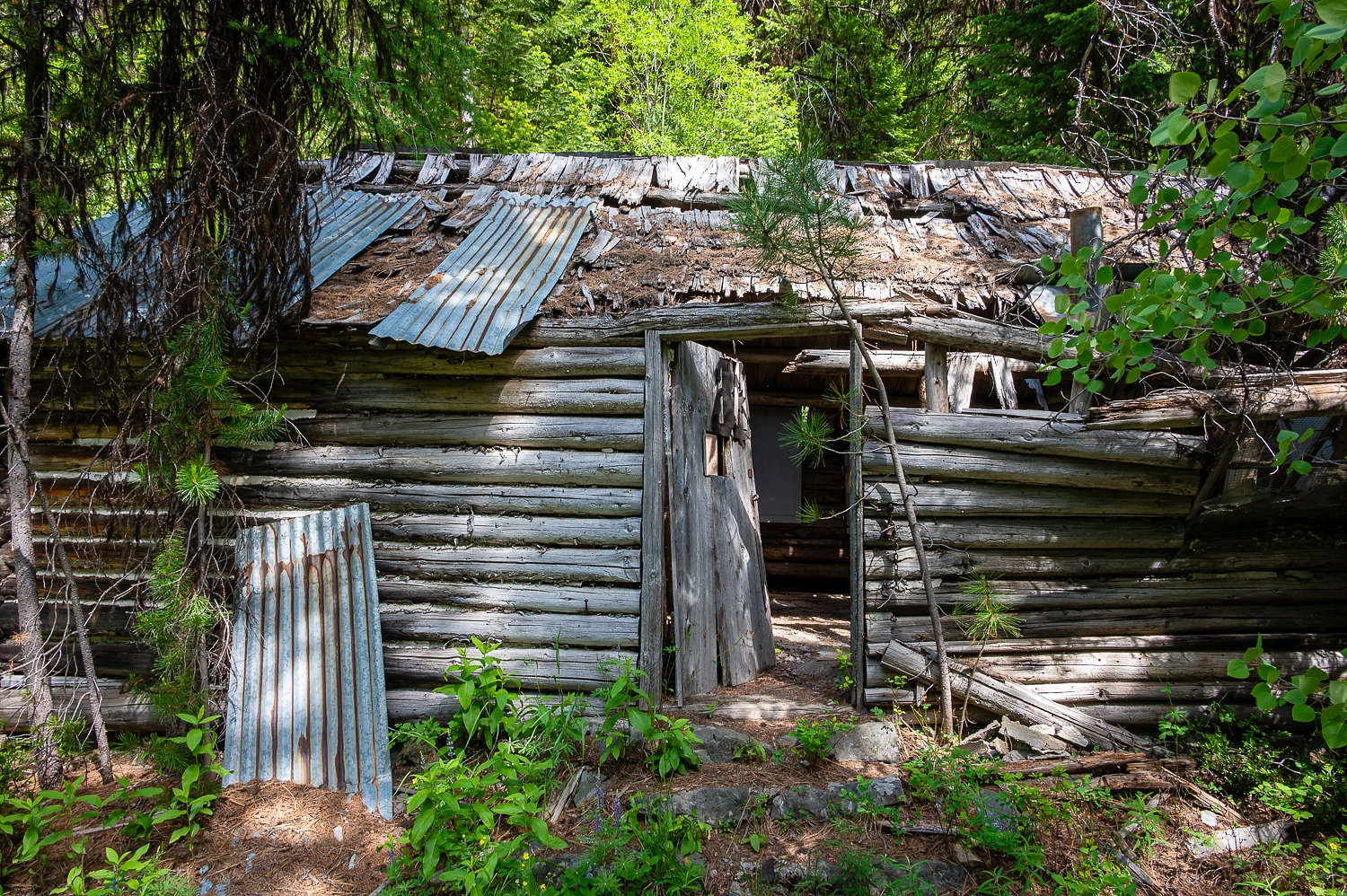
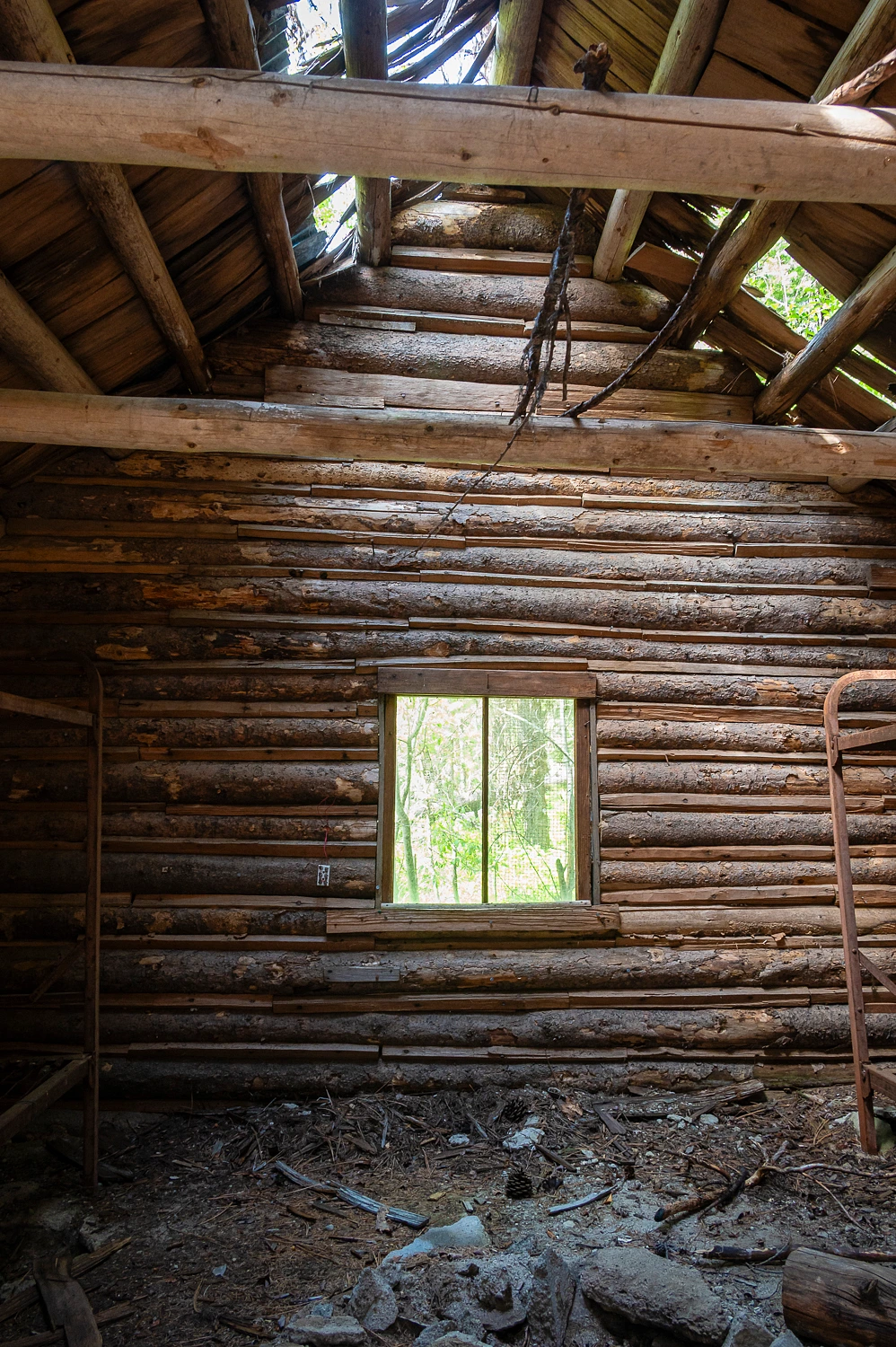
There are several cabin and building ruins associated with old mining claims.
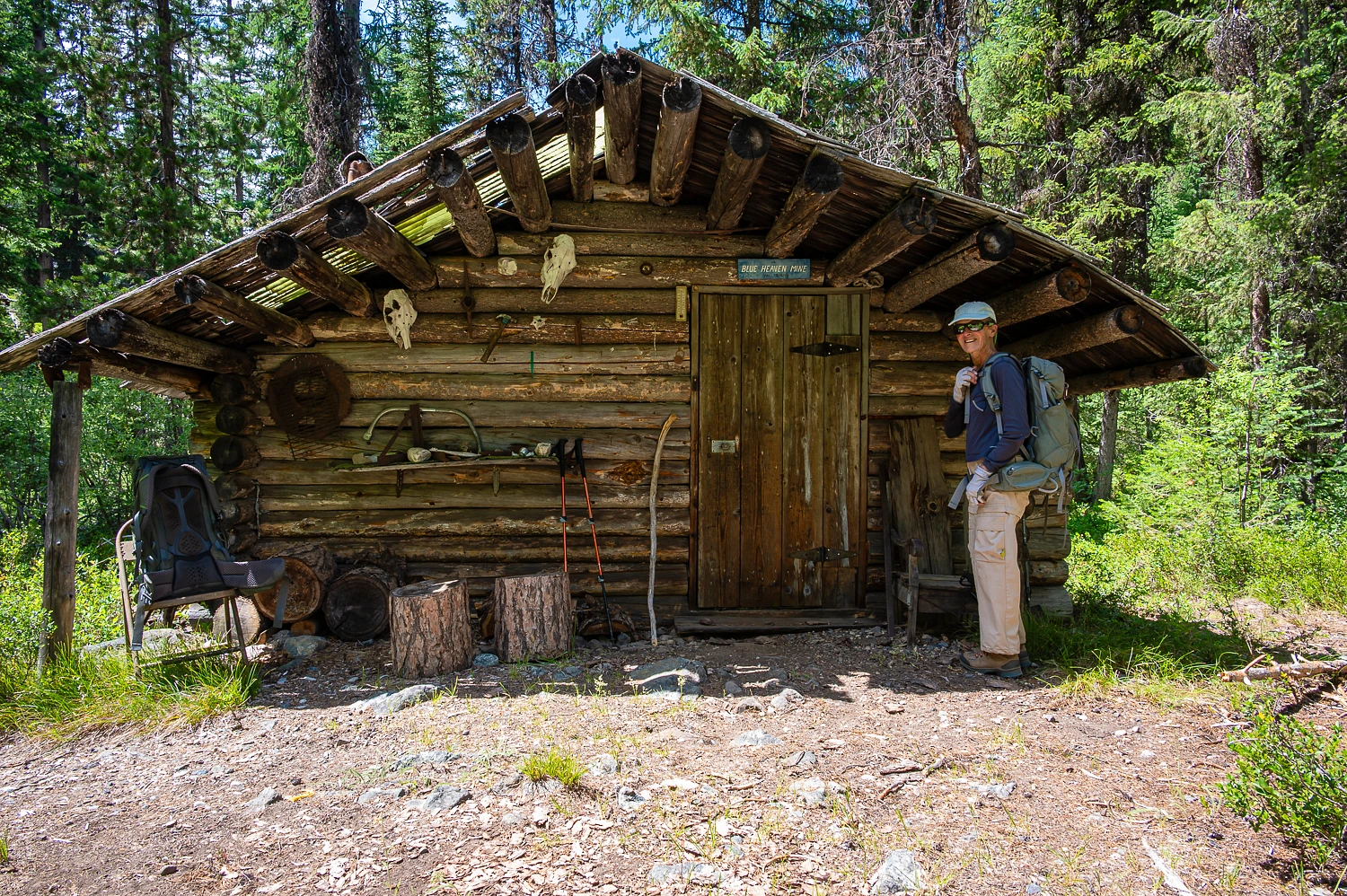
We continued downstream. This was a very pleasant and colorful hike.
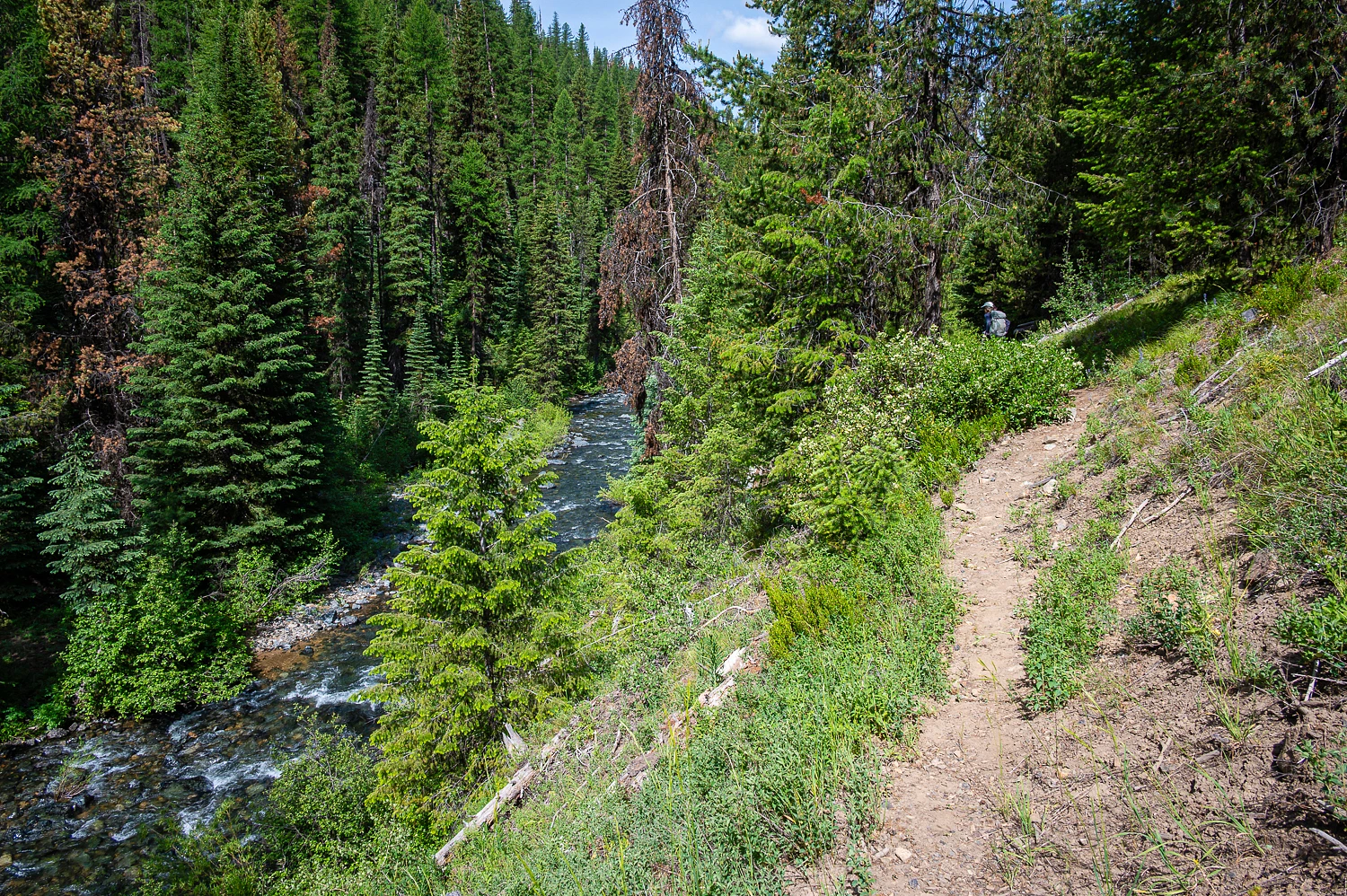
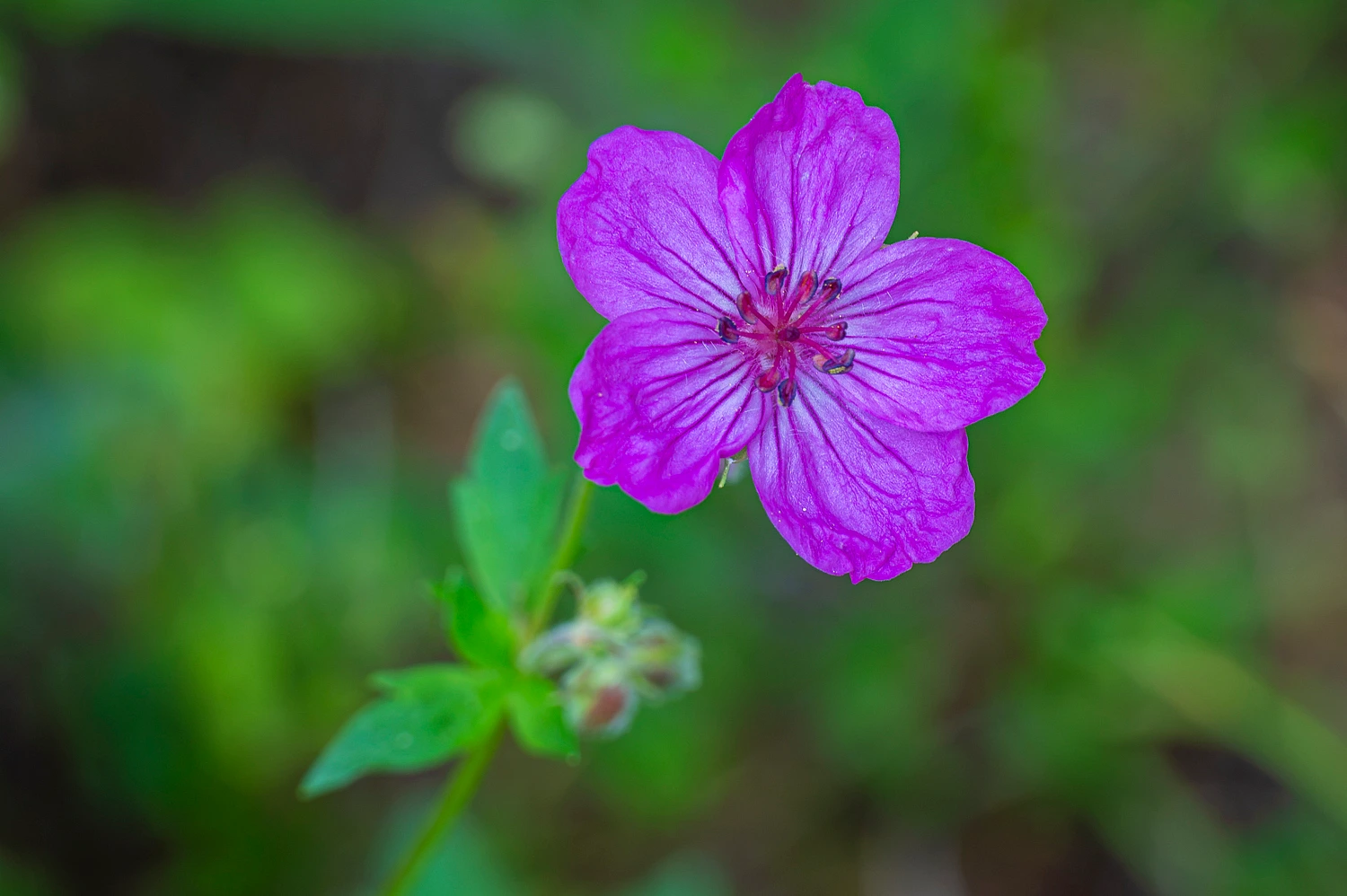
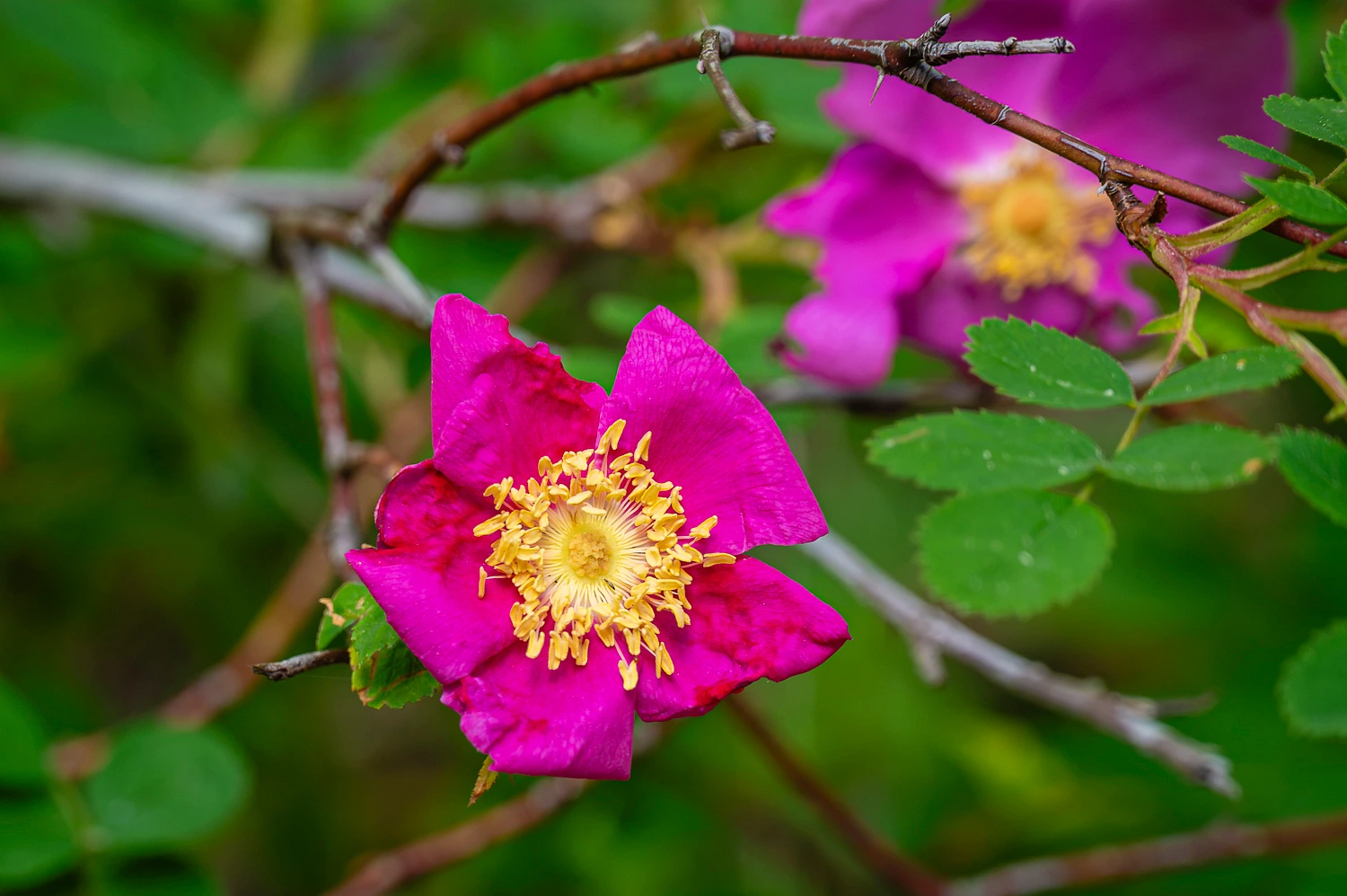
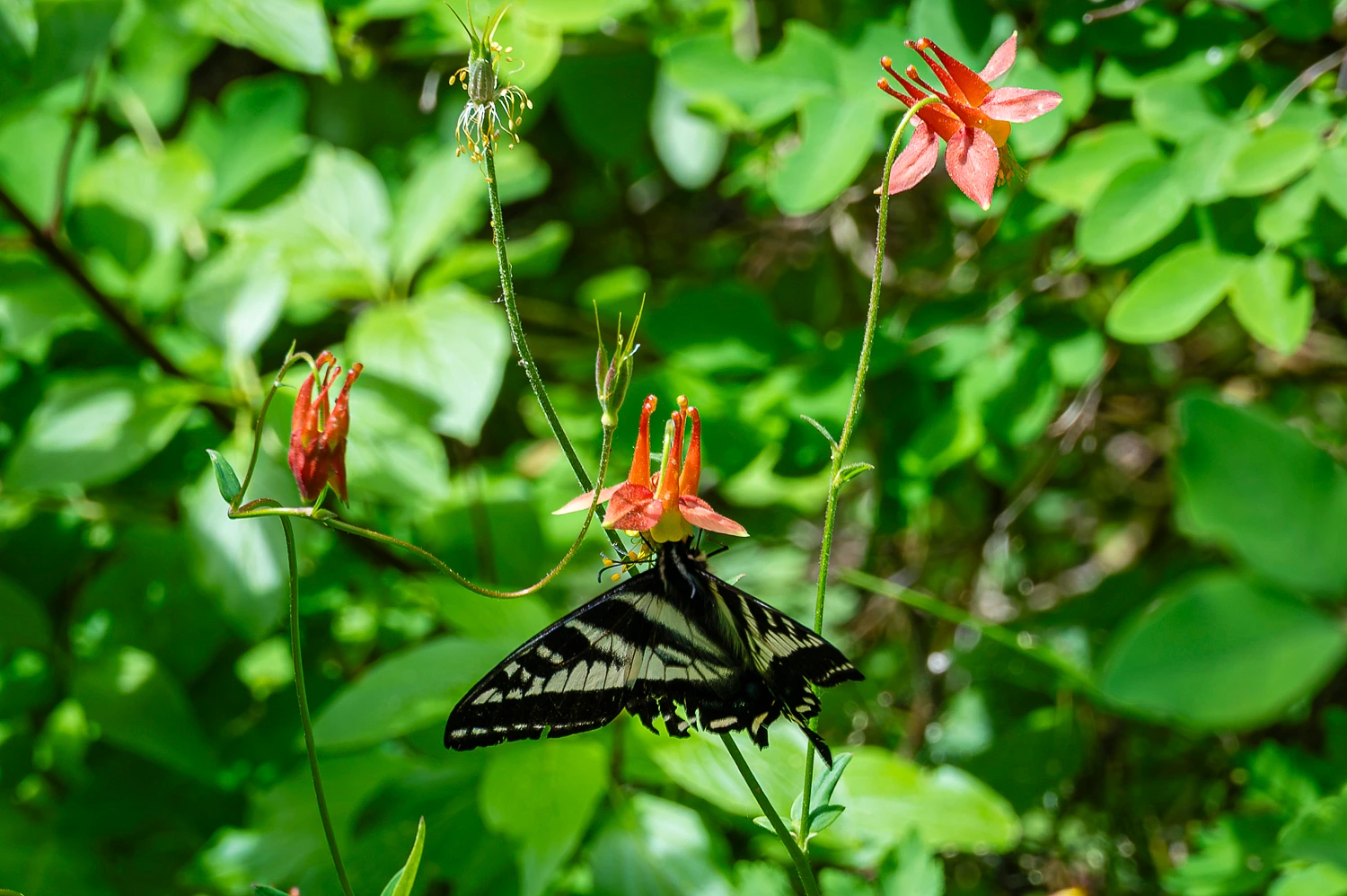
We reached a spur trail that took us down to a bench along the river. One of the few access points.
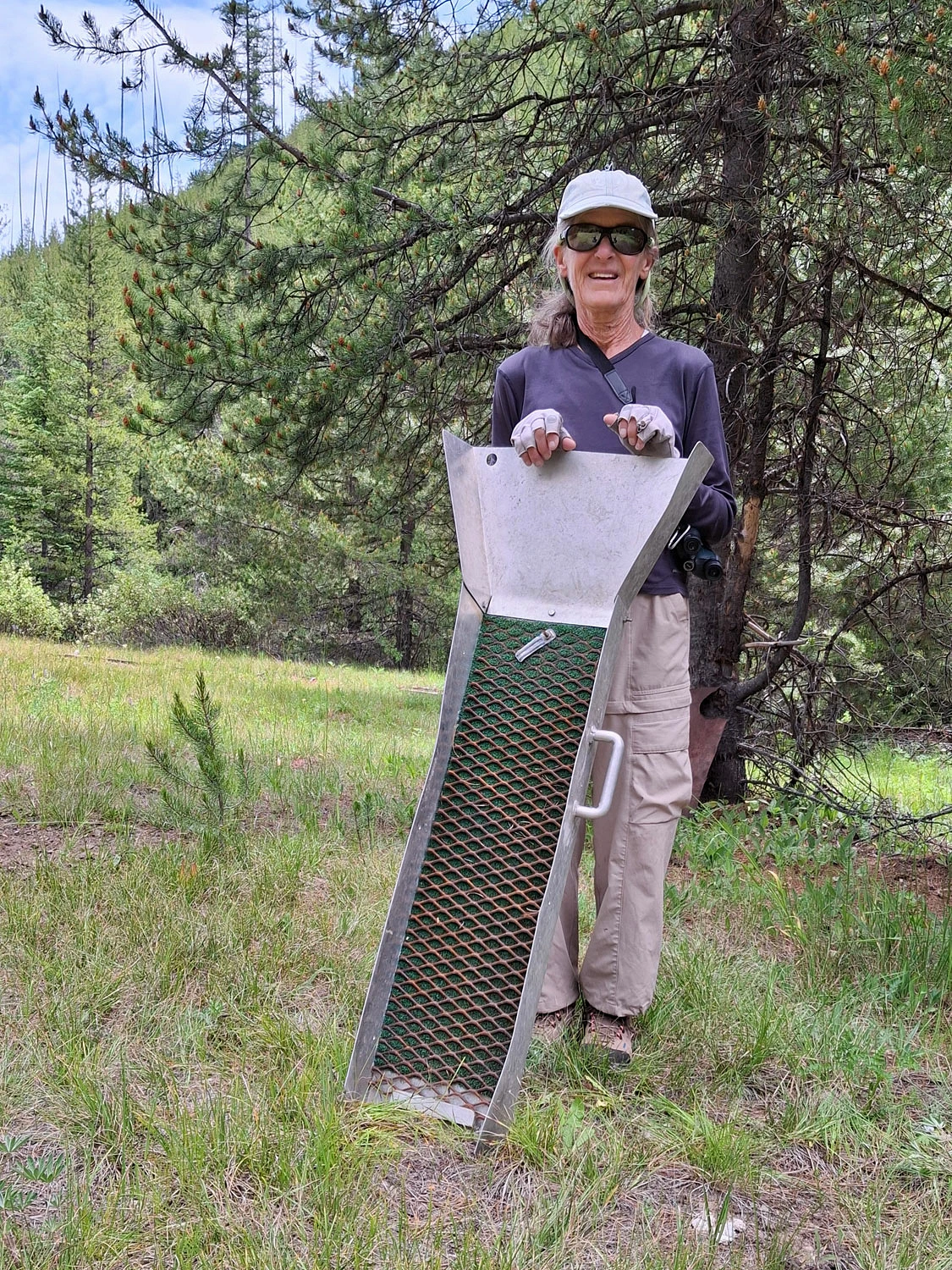
This small sluice box was in good shape, sturdy, heavy, and solid. Want to carry it out? I’ll give you the location.
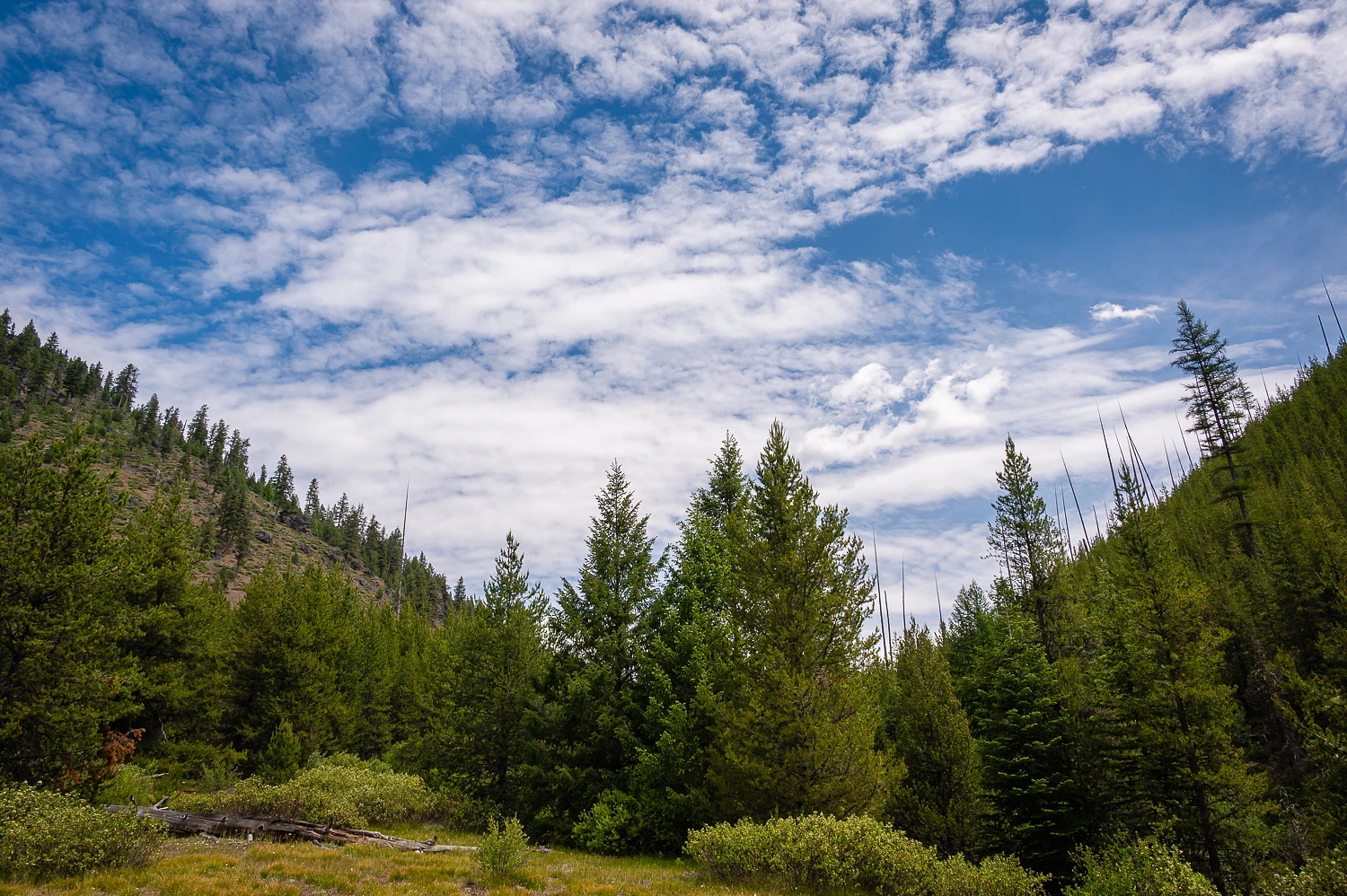
We were interested in reaching the old Thornburg Placer Mine. The North Fork was heavily impacted by gold mining starting in the early 1860’s. These were placer gold deposits extracted using hydraulic mining - blasting mountainsides apart using jets of high-pressure water. A practice that was soon outlawed because of the damages inflicted.
We began to see the huge piles of river cobble.
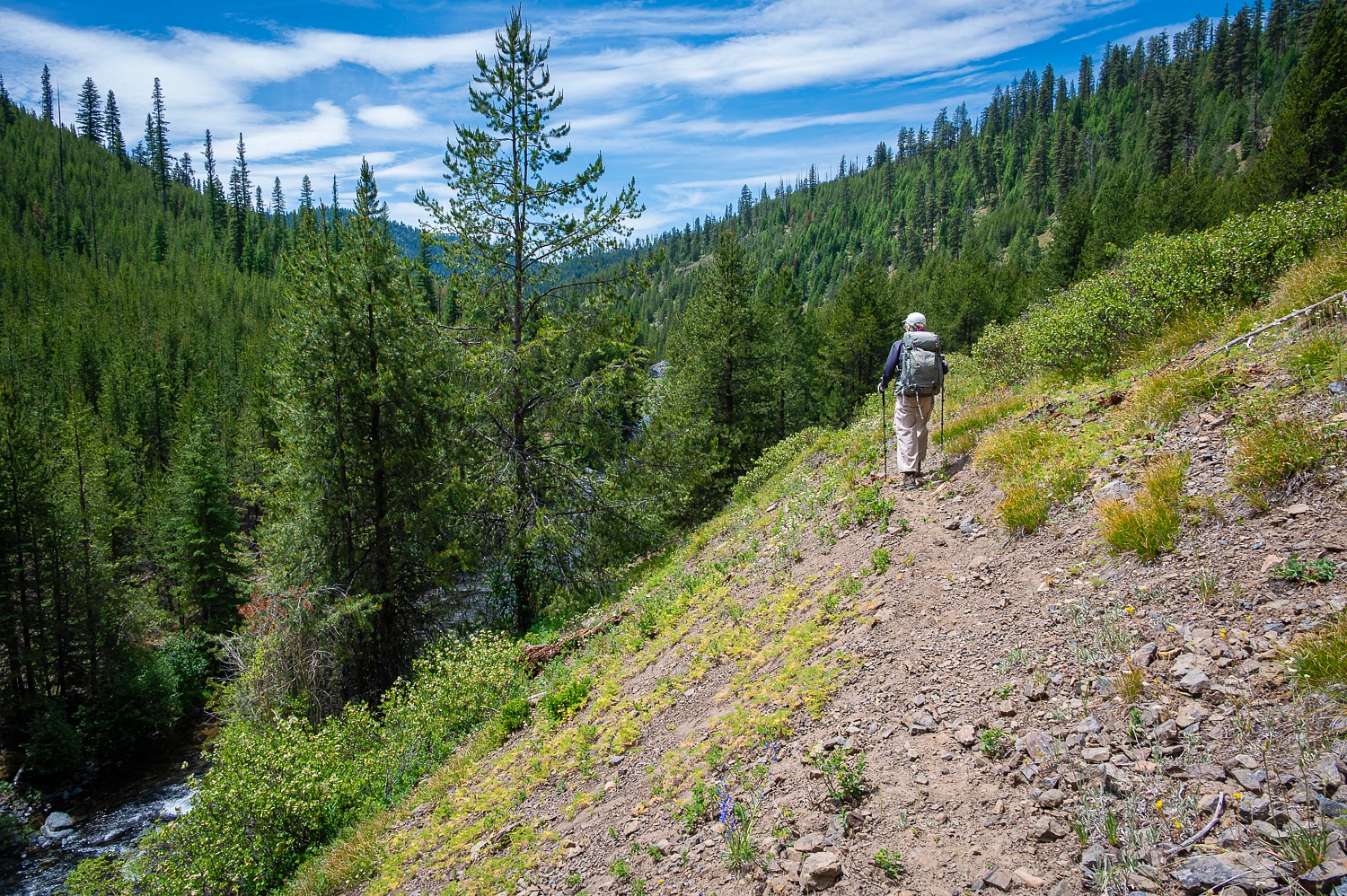
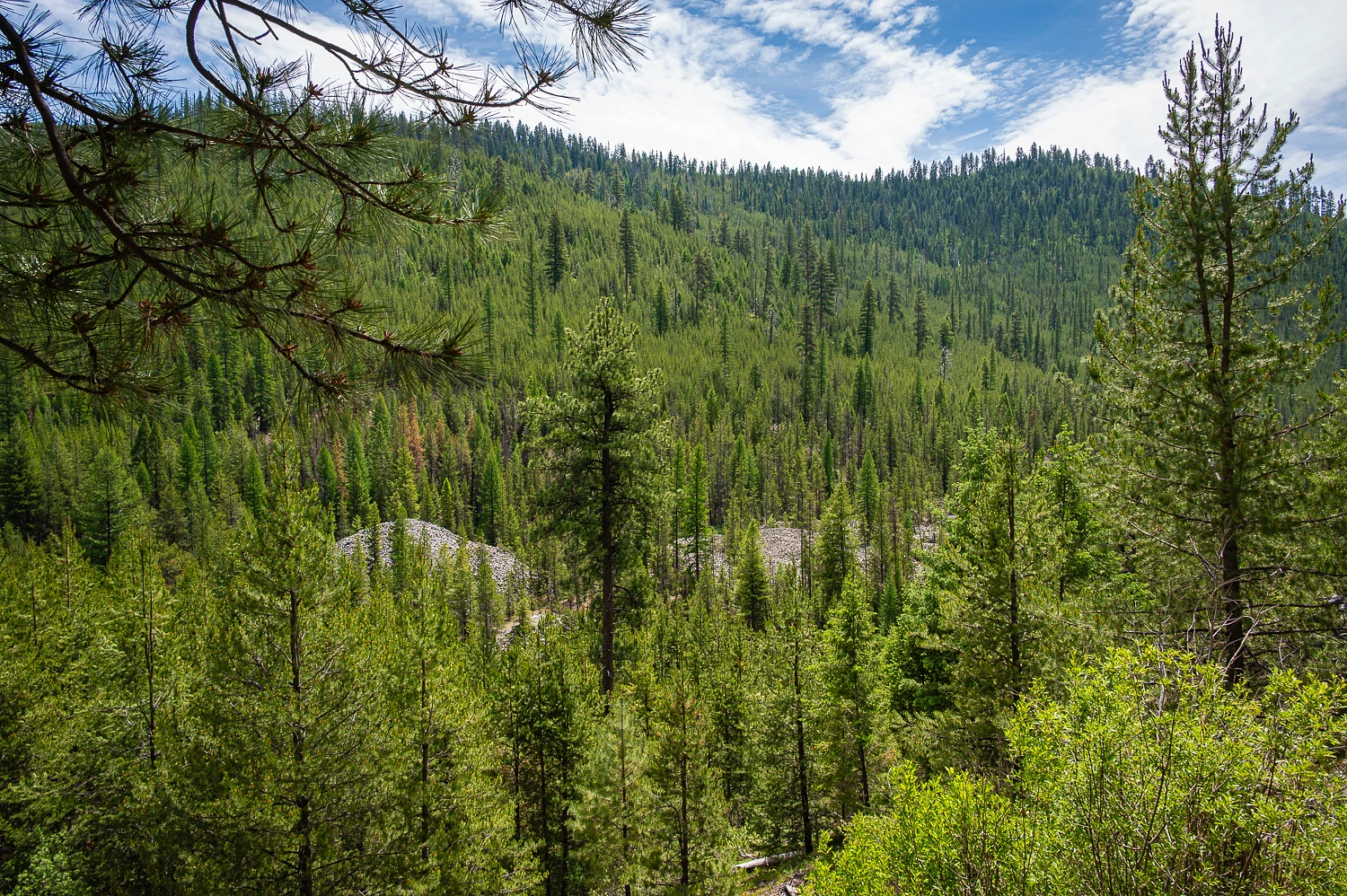
The damage is extensive, still visible well over a hundred years later.
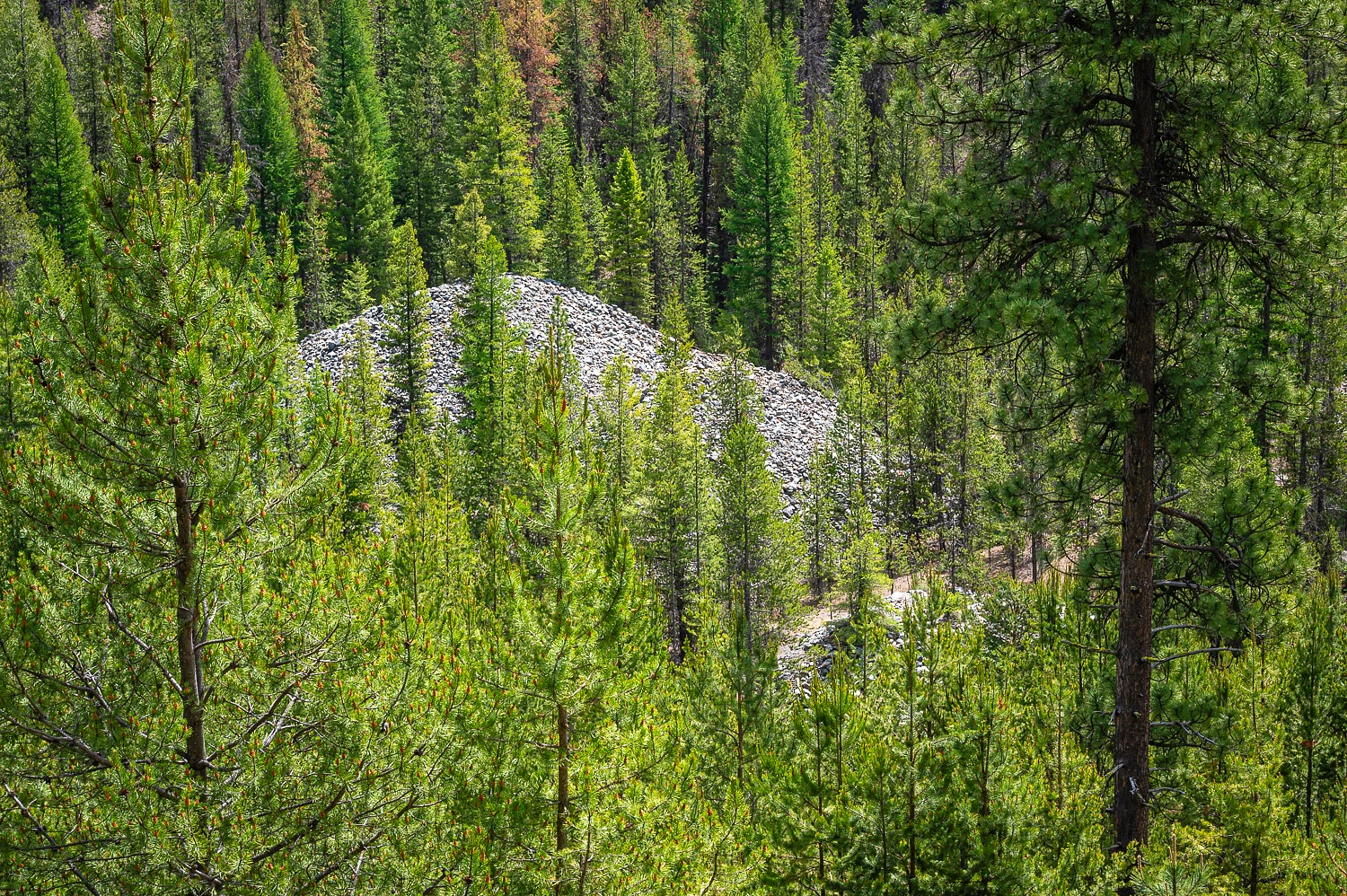
It looks like this site would be best reached by the Crane Creek Trail, if you ever wanted a closer look.
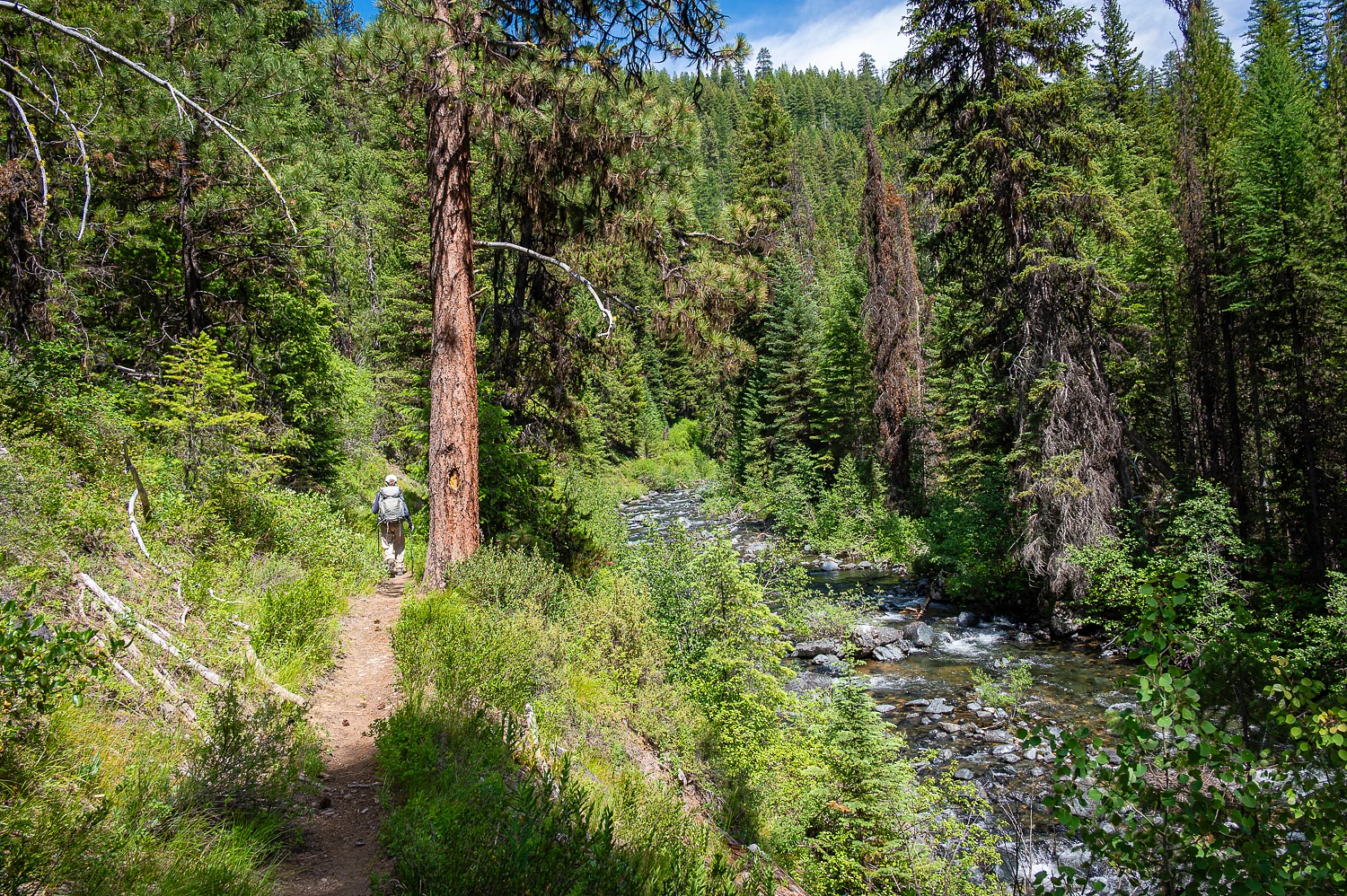
We turned around to return to camp. The trail dropped closer to the river as we grew near to the campground.
After the hot weather we’d experienced, things changed. We had rain showers in the evening and overnight. In the morning - the summer solstice - we woke to 34°, quite a surprise. We received another nice surprise, an invitation to stop by Fort Sagebrush outside Baker City. It’s always a pleasure to visit the Fort.
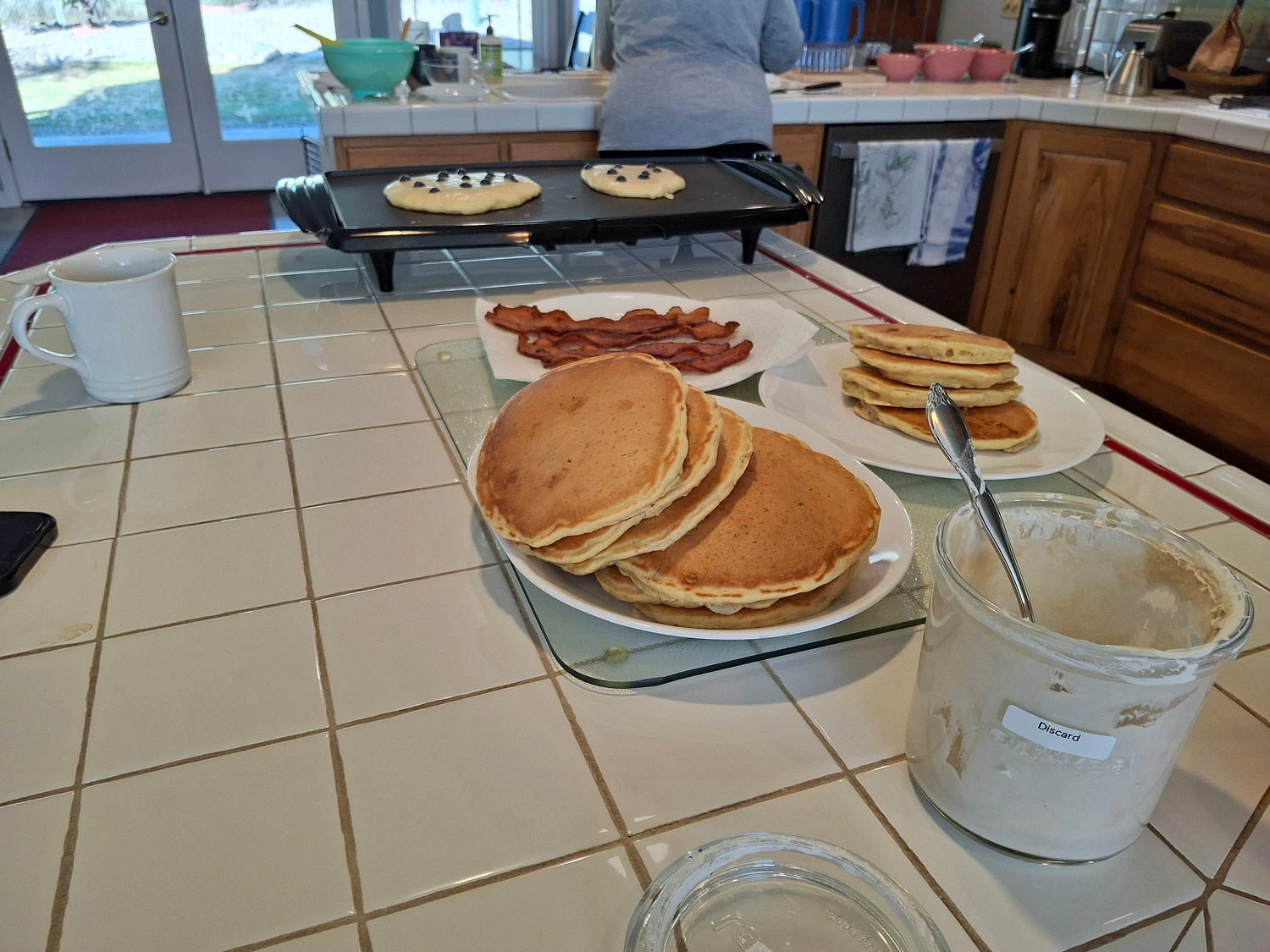
Sourdough pancakes with blueberries and excellent bacon, the reason god gave us pigs. Wow. Thanks, you two!
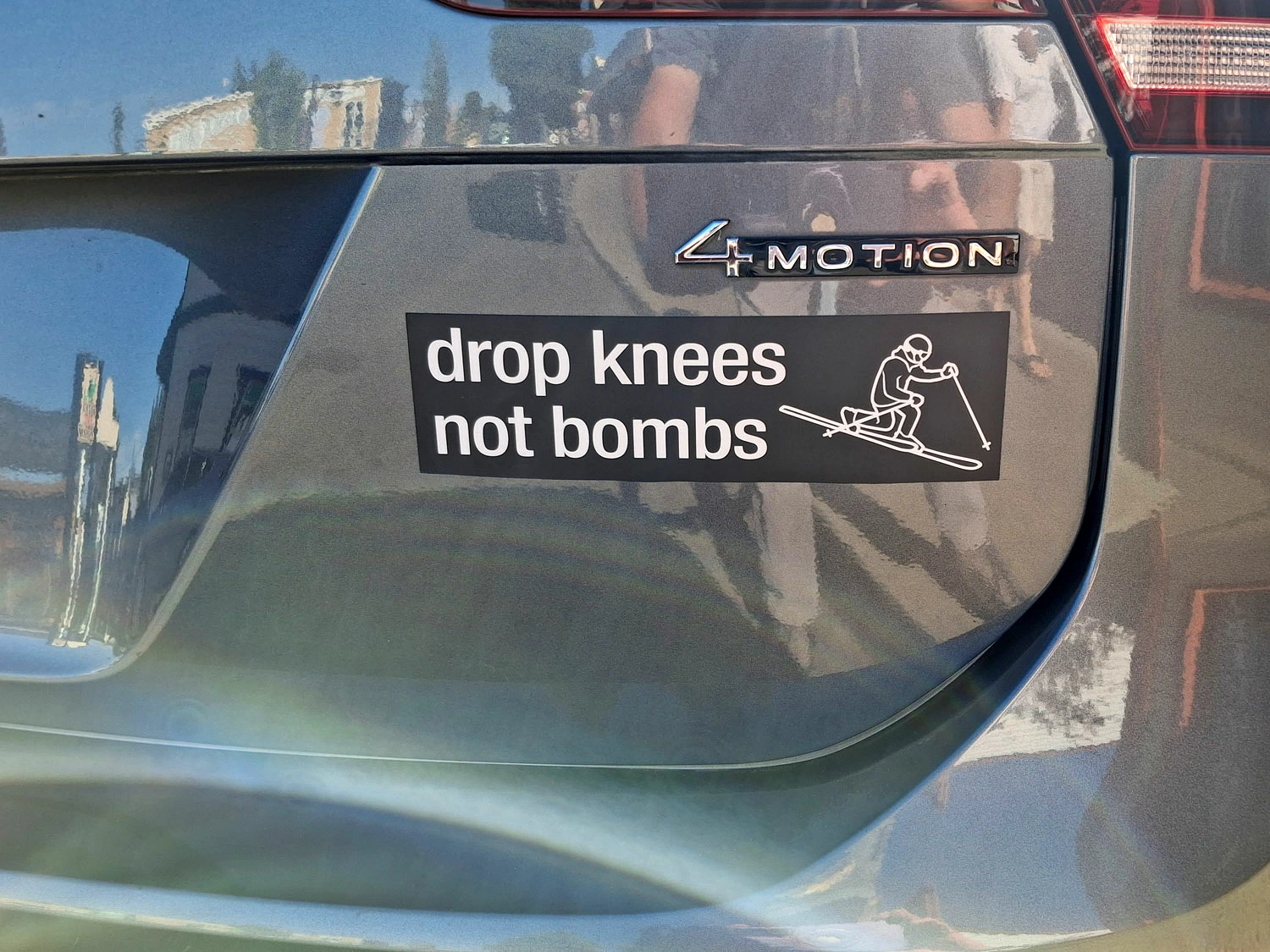
You're probably not surprised, but the Metolius River remained on our minds. We stopped at the flyshop in Sisters in a search for better soles for our wading sandals. I scored but the Lady’s small size was not available in any shops. We also purchased an apple cinnamon roll down the block. This bumper sticker warmed these two old telemark skiers’ hearts.
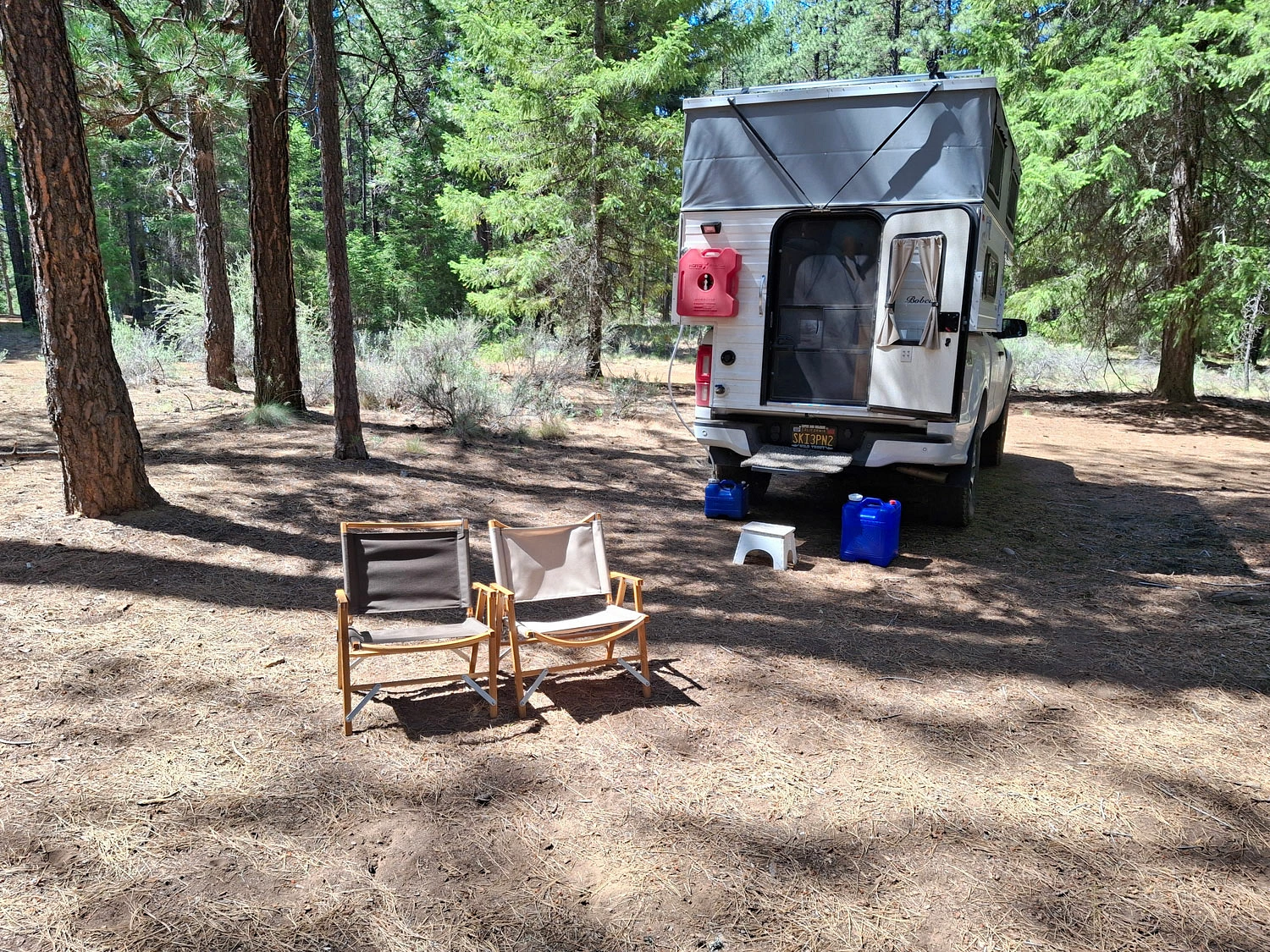
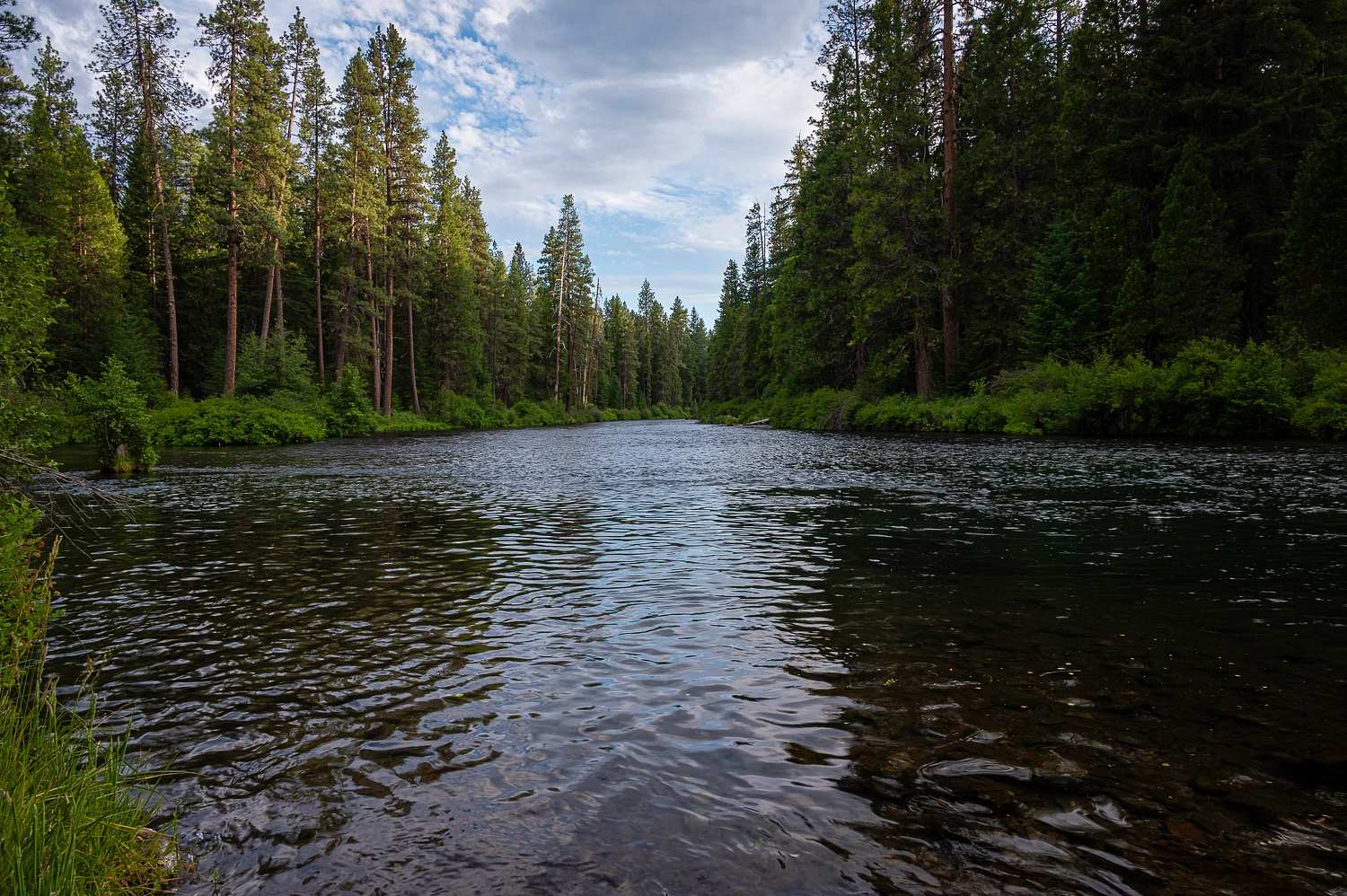
We returned to the Metolius, set up camp, and worked our way down to the river.
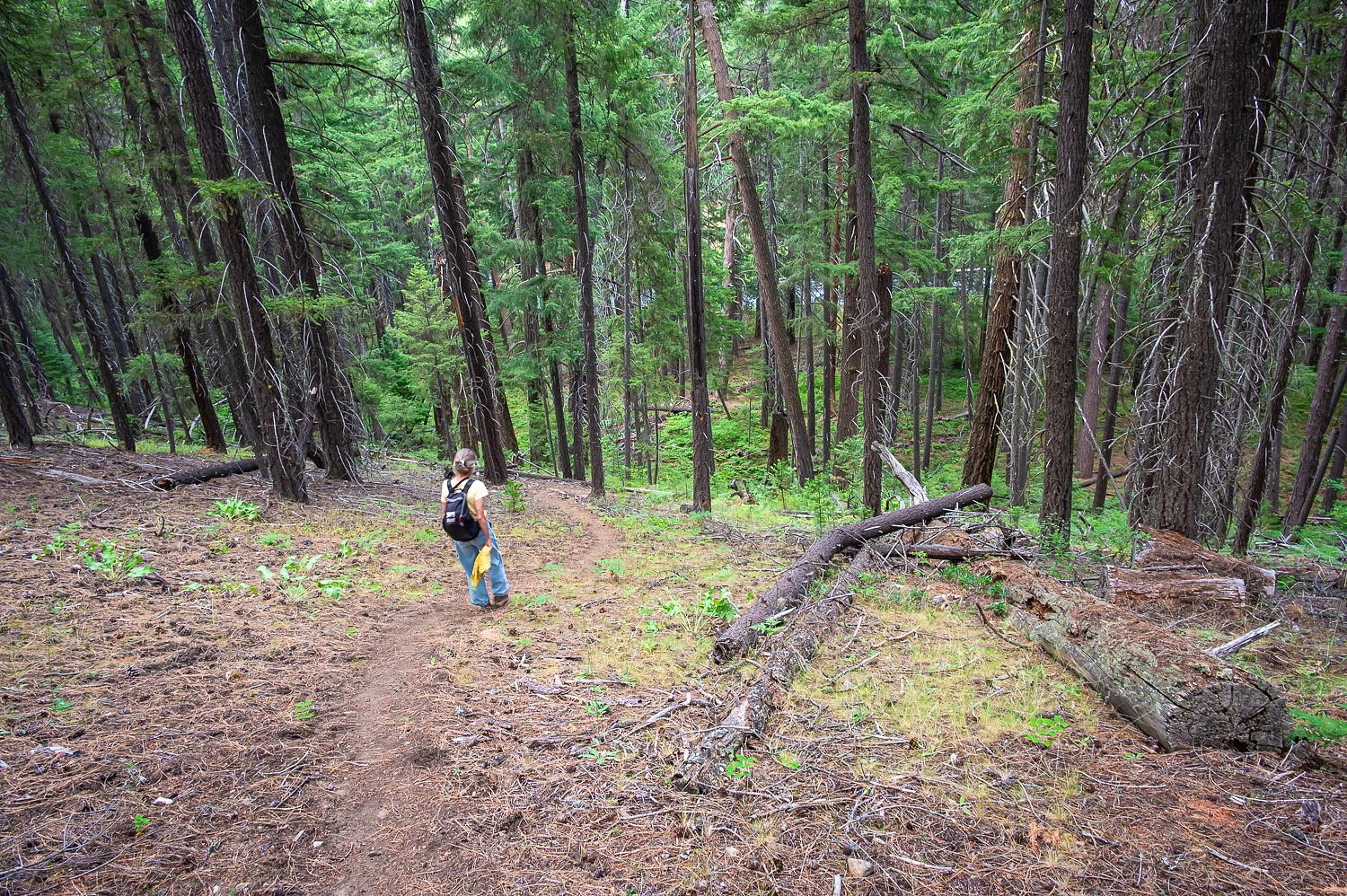
In the evening we explored up the river and crossed over to the east side.
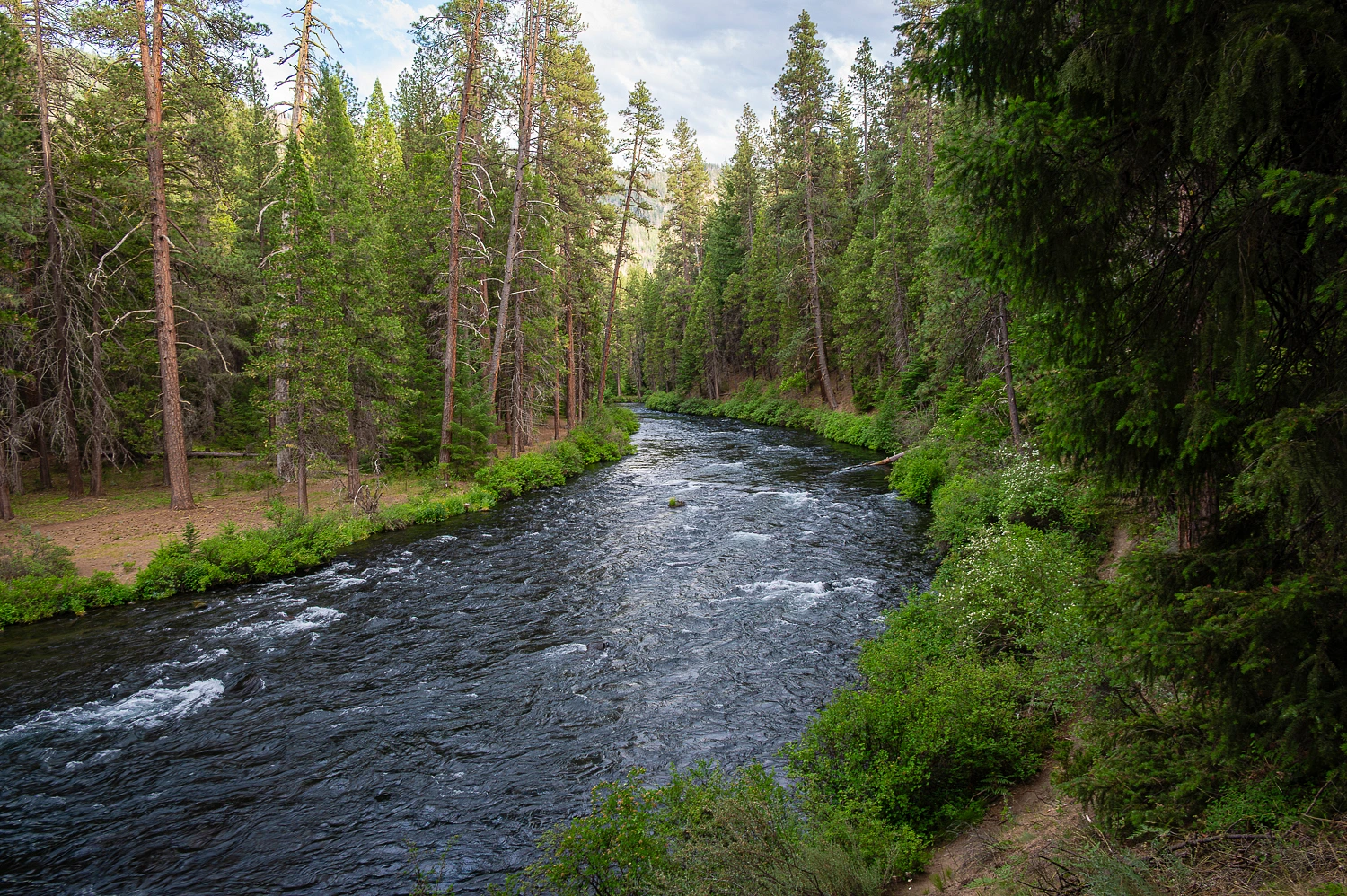
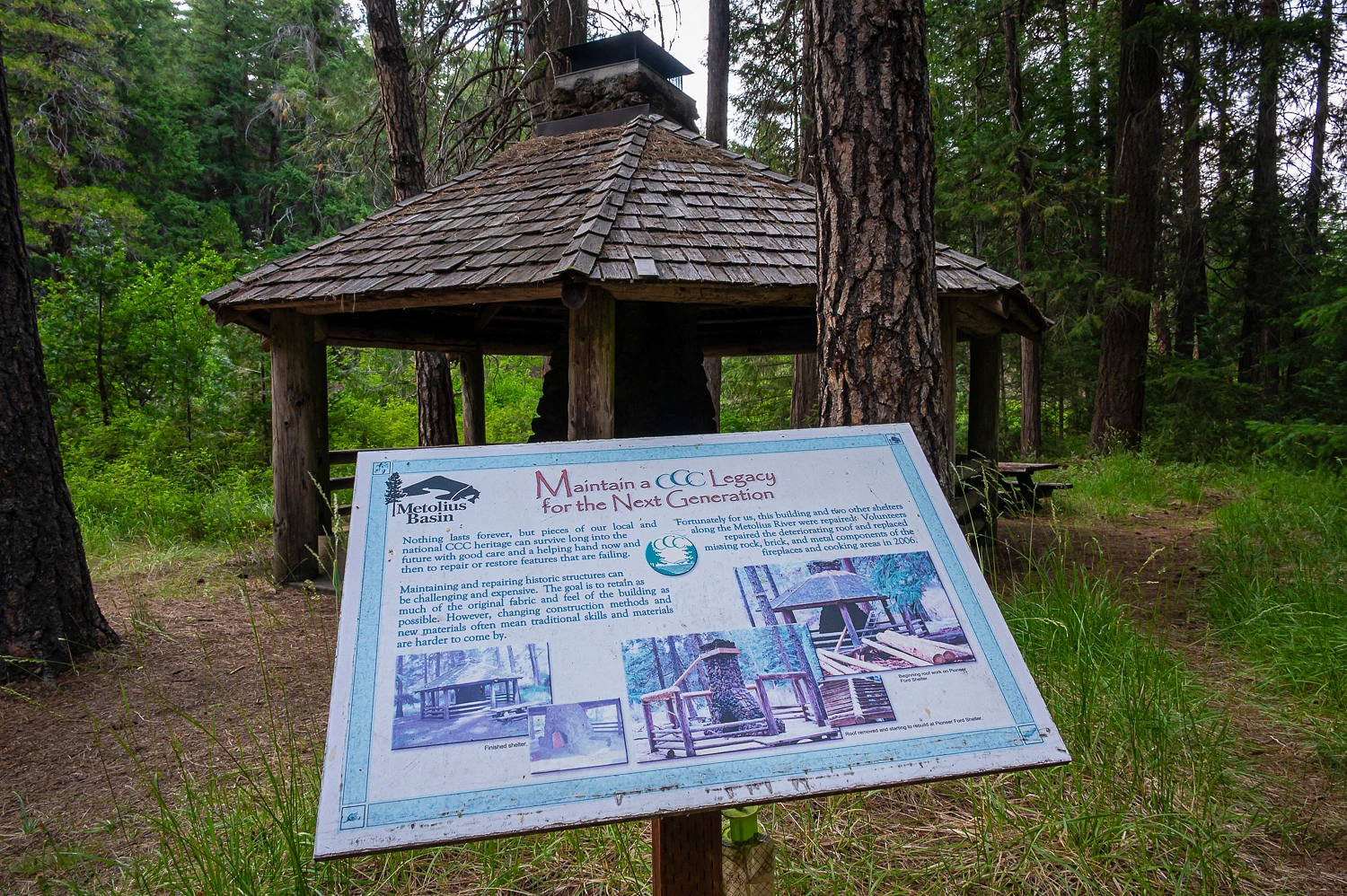
We are always struck with the continuing legacy of the Civil Conservation Corps.
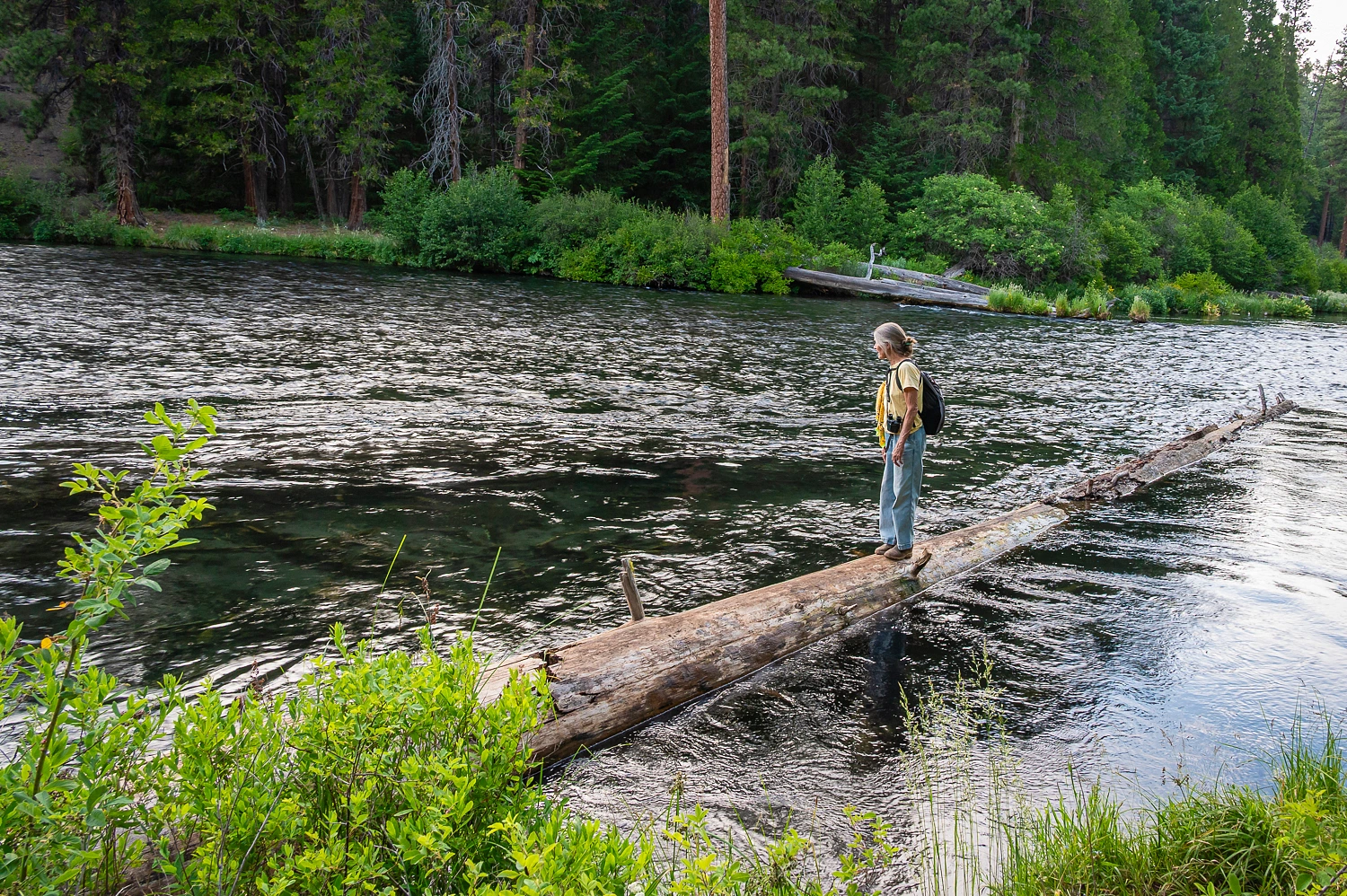
The Lady will always be a happy girl, testing her physical abilities and balance at every opportunity.
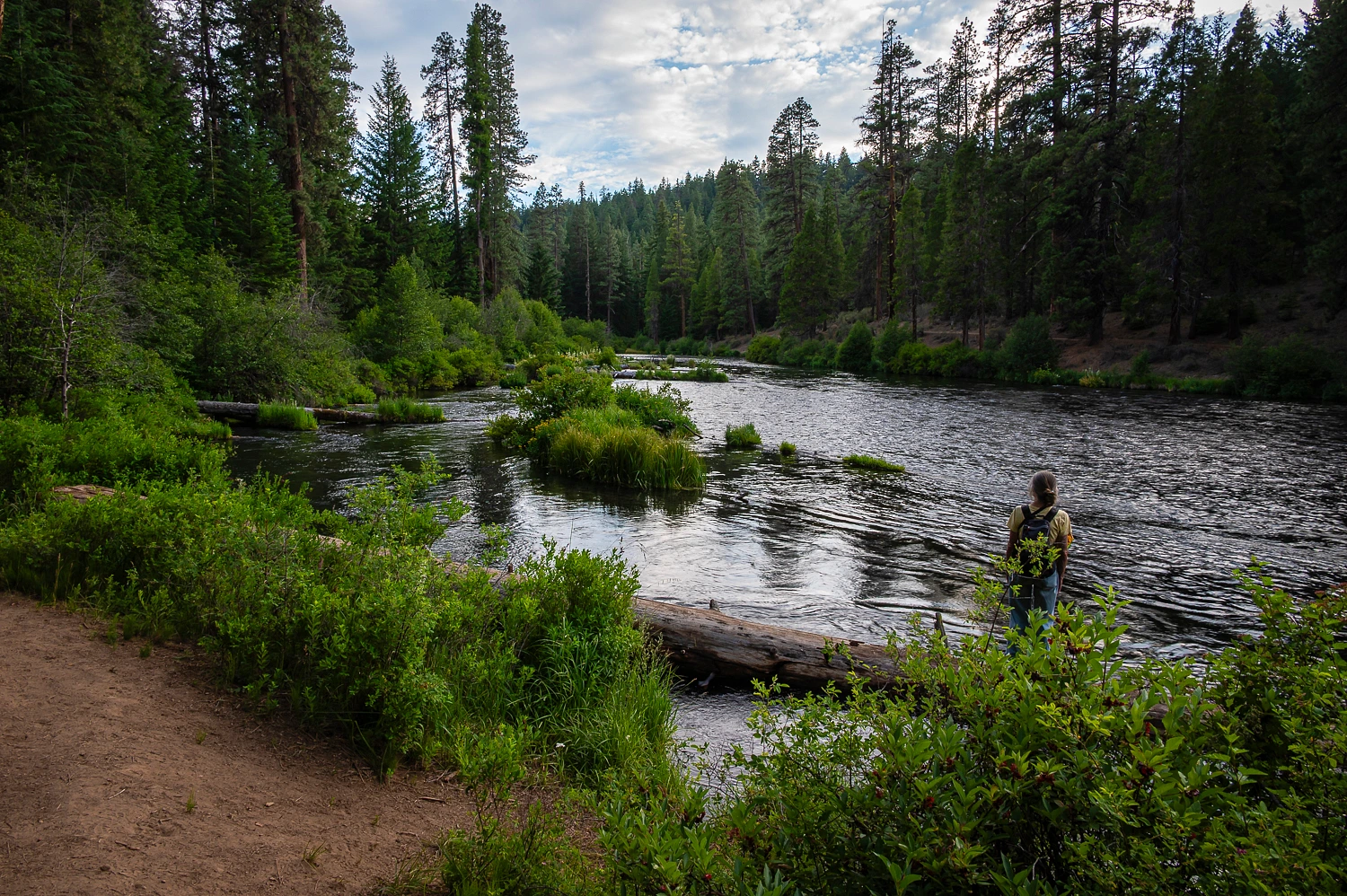
We fly fished the next day.
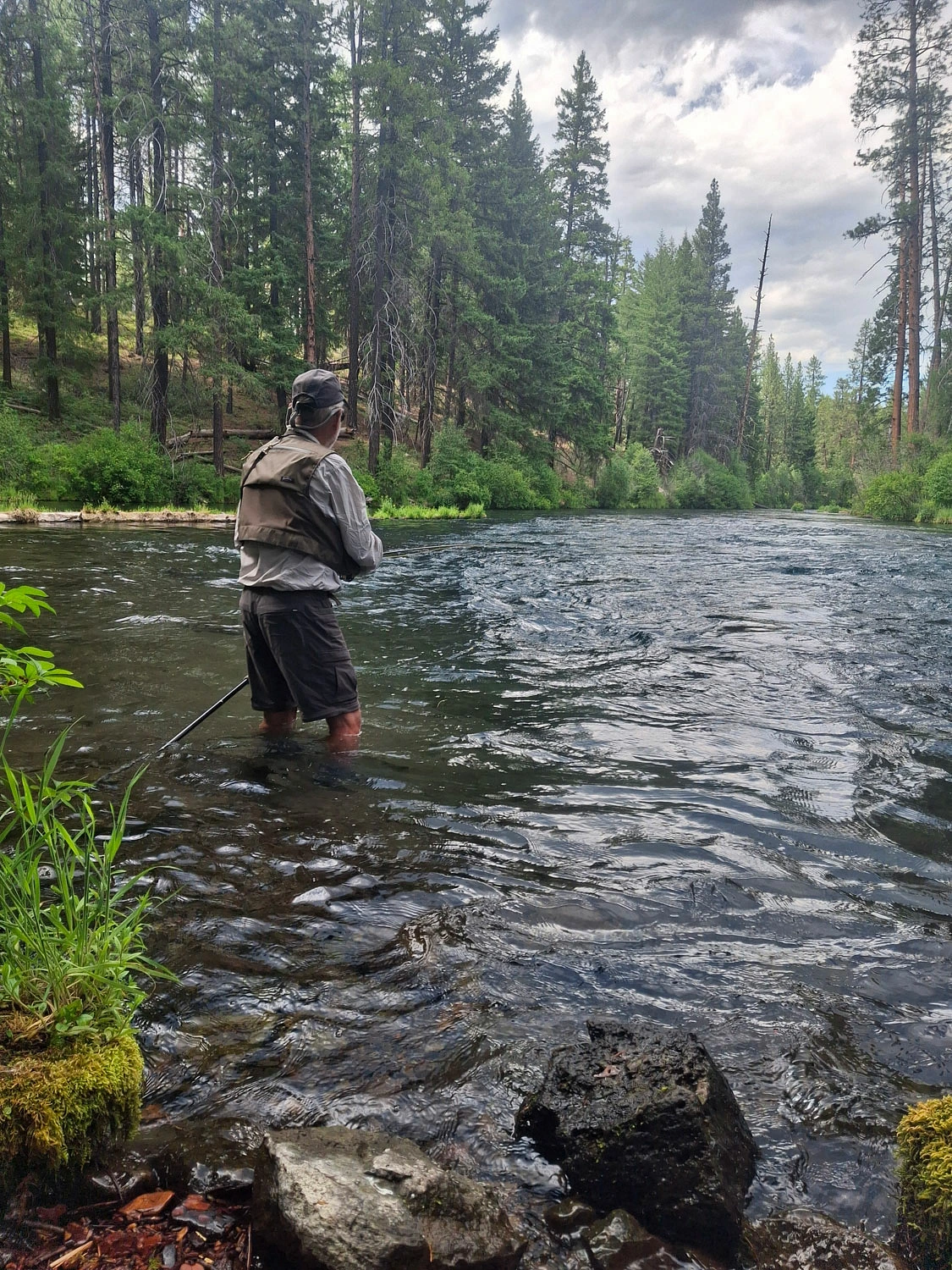
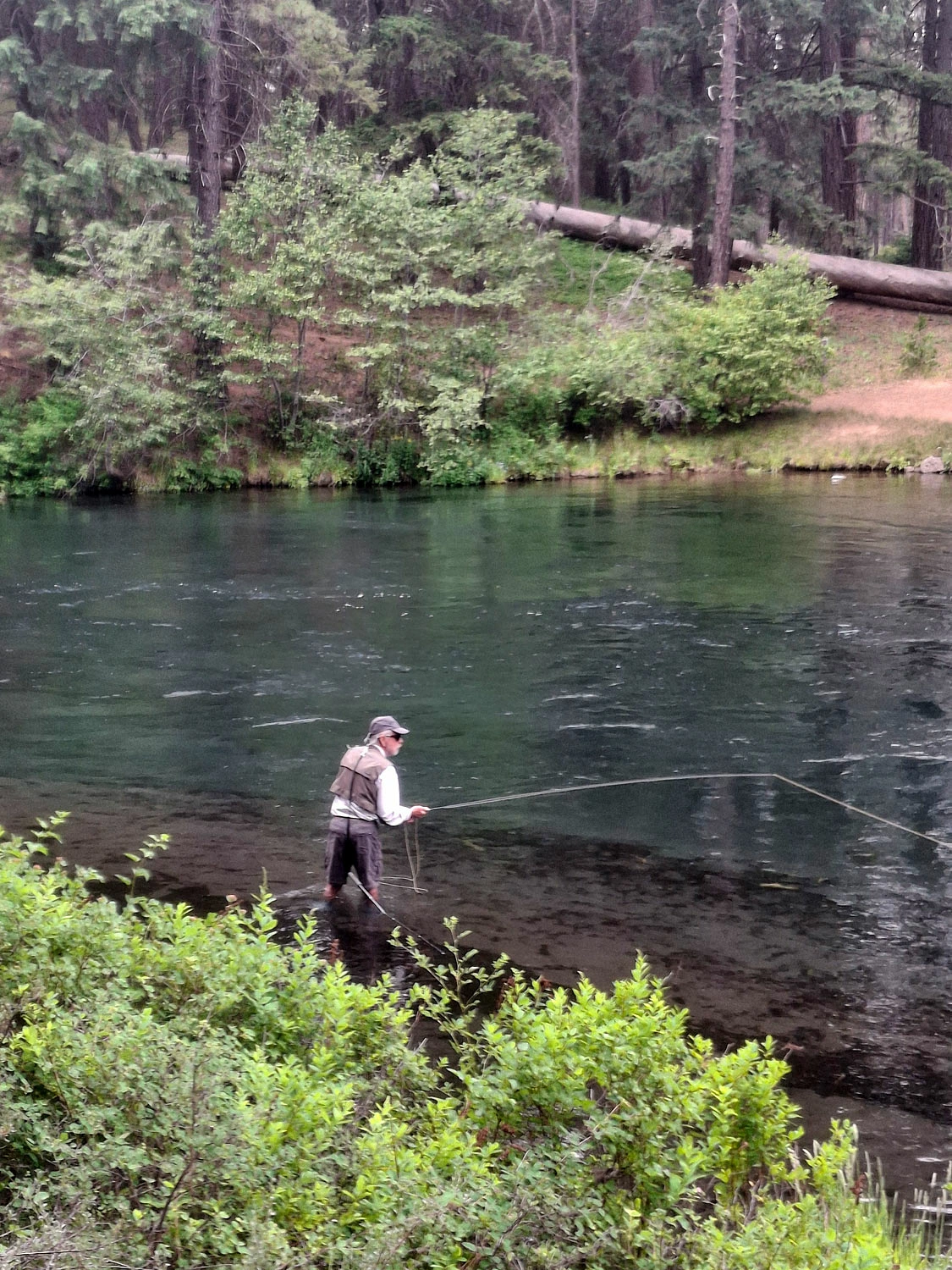
It was more of a “study session,” really; still working on that doctorate degree. This time there were insects to study on the water, midges and pale morning dun mayflies (PMDs in flyfishing jargon). There were even a few PMDs hatching and flying off the surface. This was exciting to us. But no trout keyed in on them and rose to the surface.
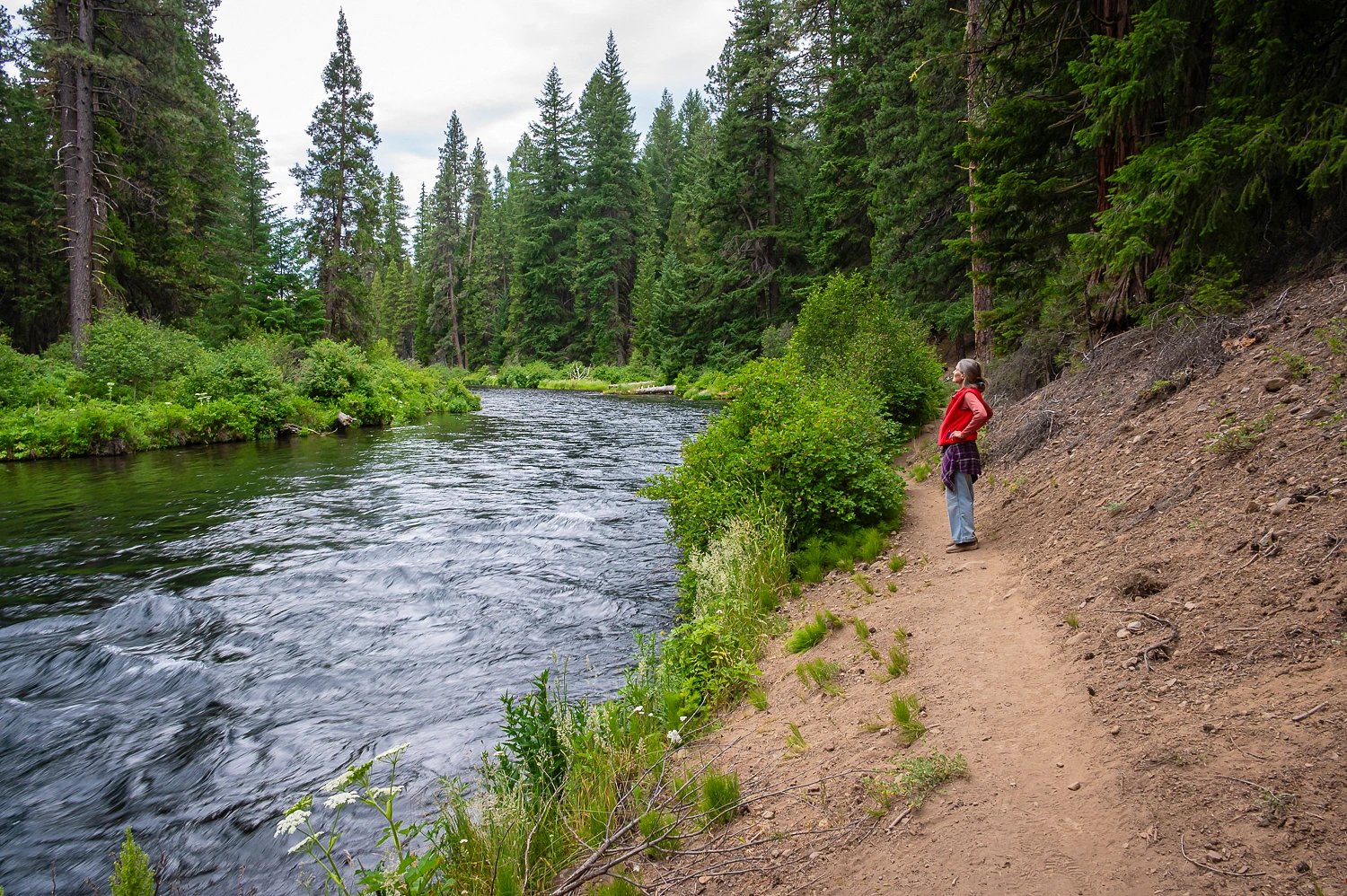
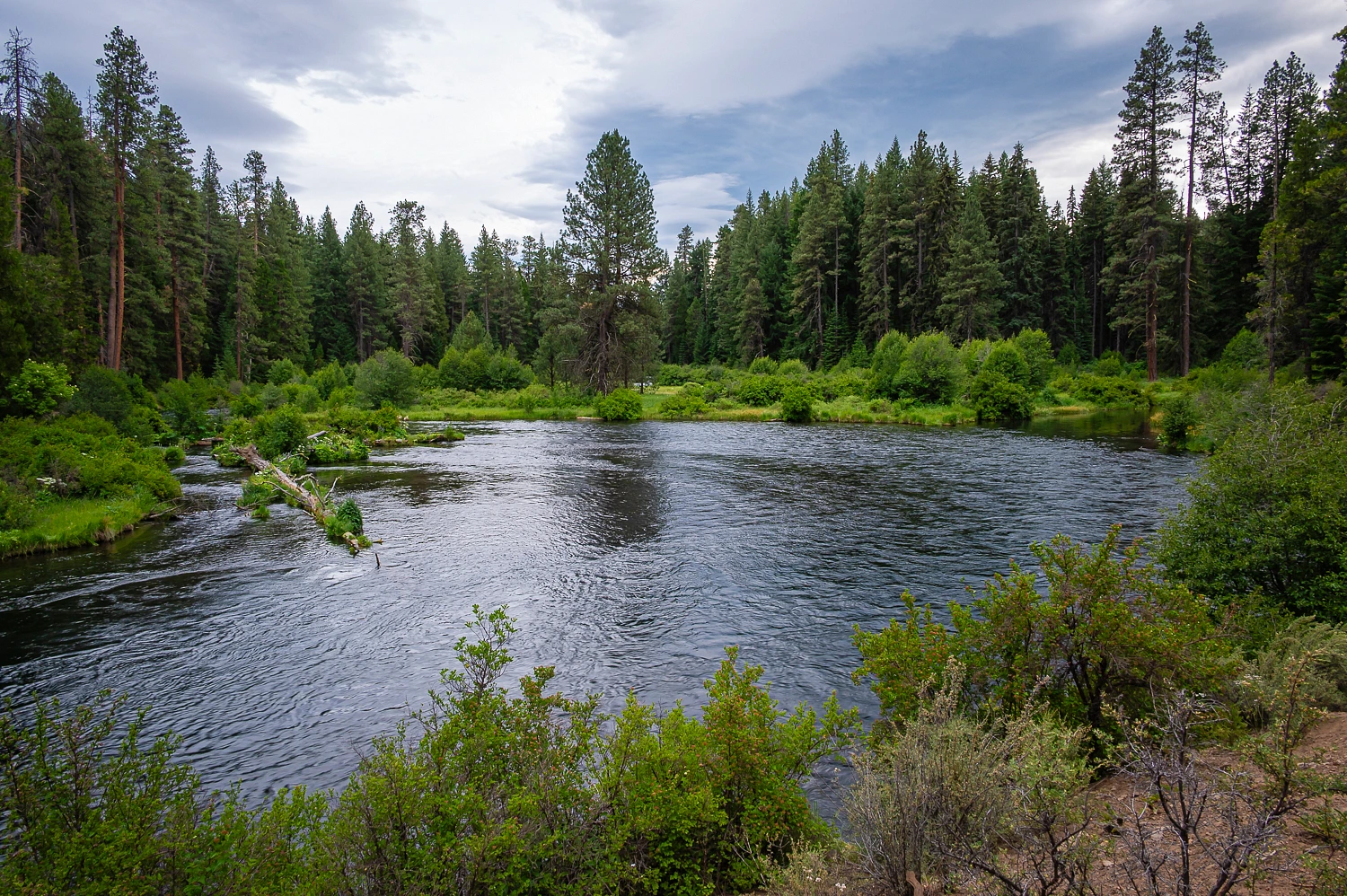
In the evening we explored up the west side of of the Metolius. Just visiting this beautiful river was reward enough.
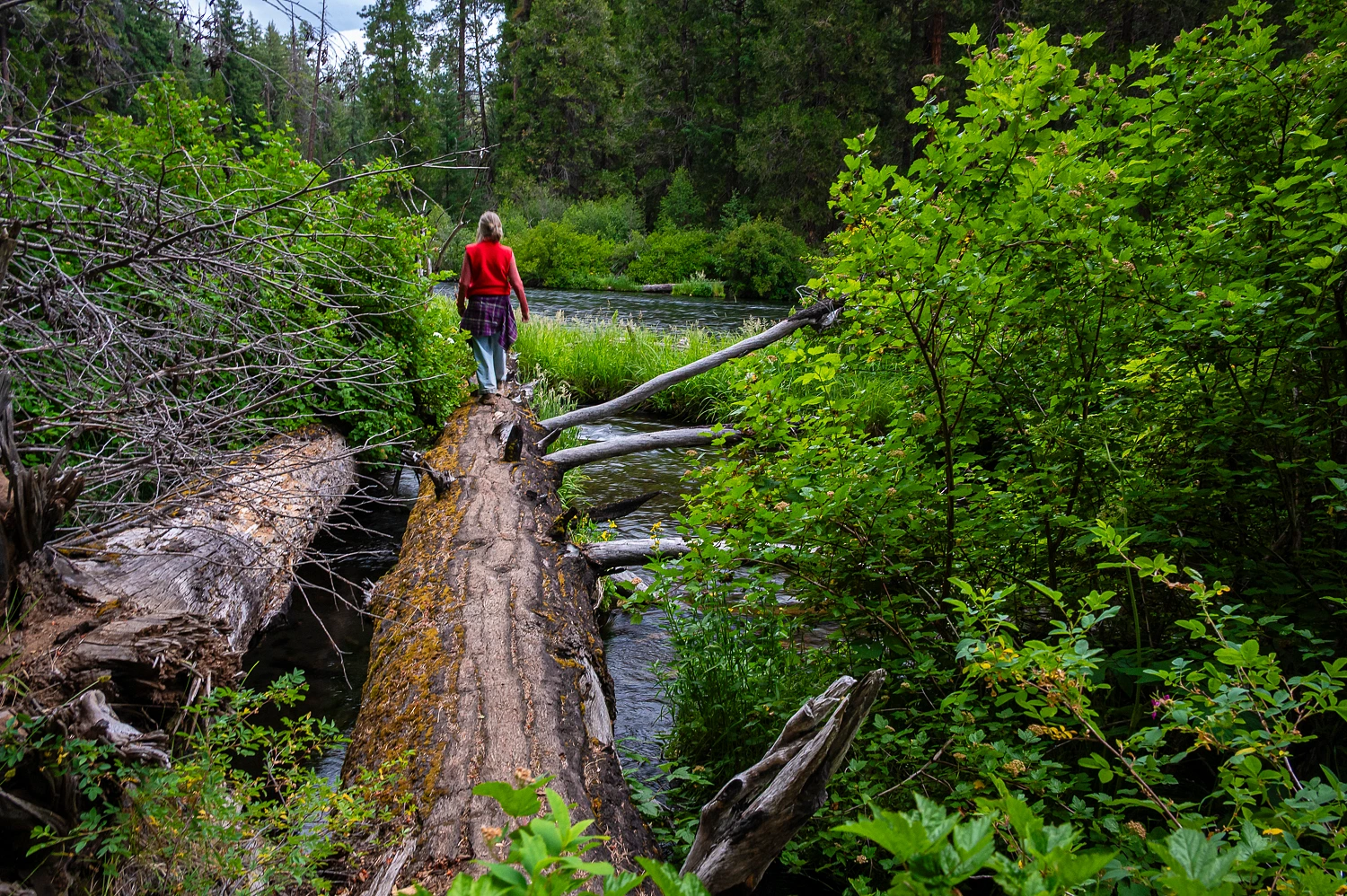
Looking ahead and planning, and kinda of sorta sticking to the “we’ve never been to” theme, we found that the campground at Crater Lake National Park had openings. Not only that, it was near empty. We tweaked the theme a little bit. “We hadn’t been to Crater Lake in 37 years.” We made reservations for three nights.
On the way we overnighted at LaPine State Park on the Deschutes River. We made a reservation beforehand, so we didn’t have to deal with barcodes. It was obscenely expensive, but there was something we wanted to see. It was pouring rain when we arrived and got set up. It broke off enough for an evening walk, but the clouds thickened and it rained off and on overnight.
The best thing about Oregon State Parks - the showers are separate from the gender bathrooms and we can shower together. We like saving water.
So, what did we want to see at LaPine State Park? This.
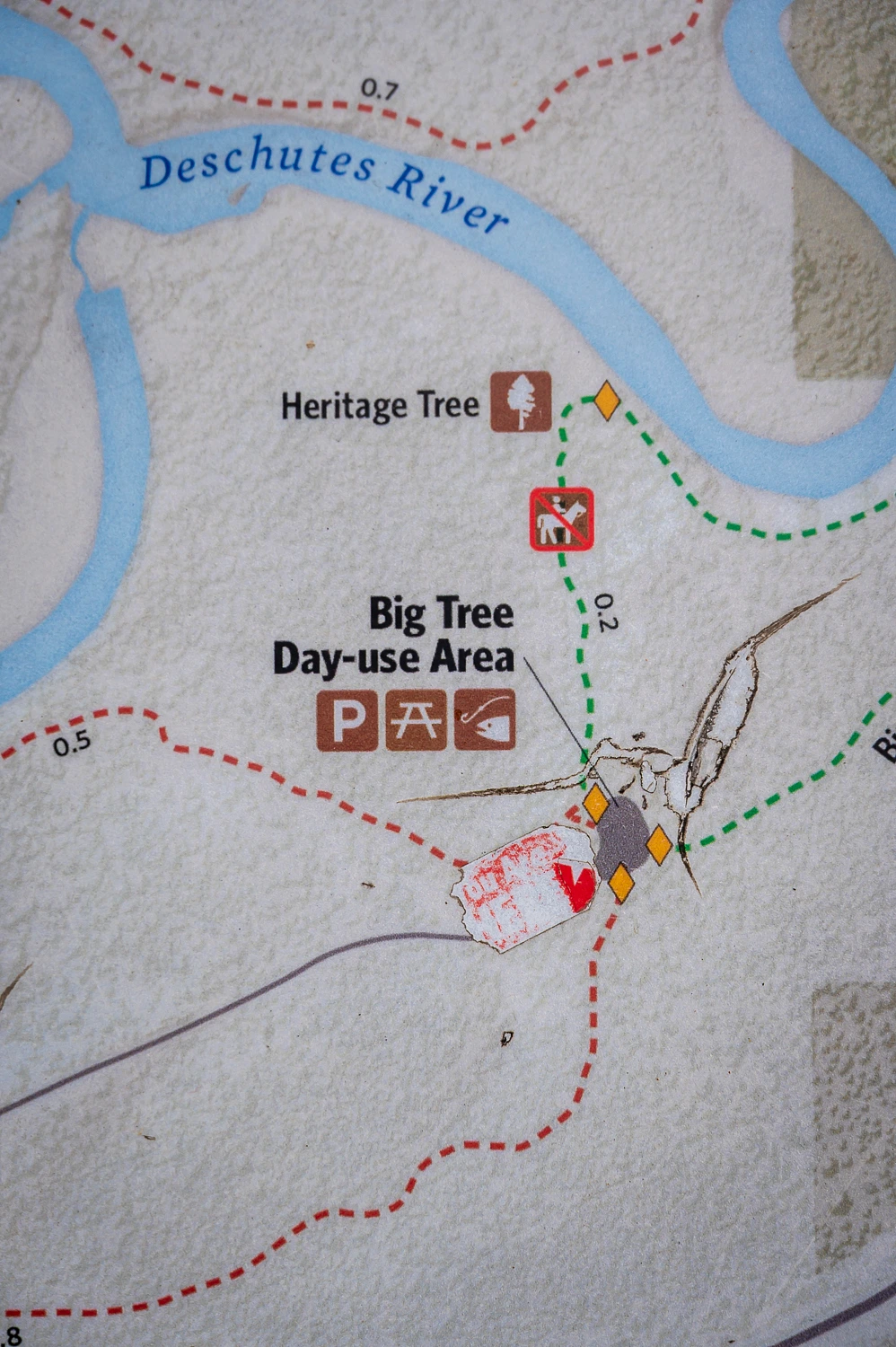
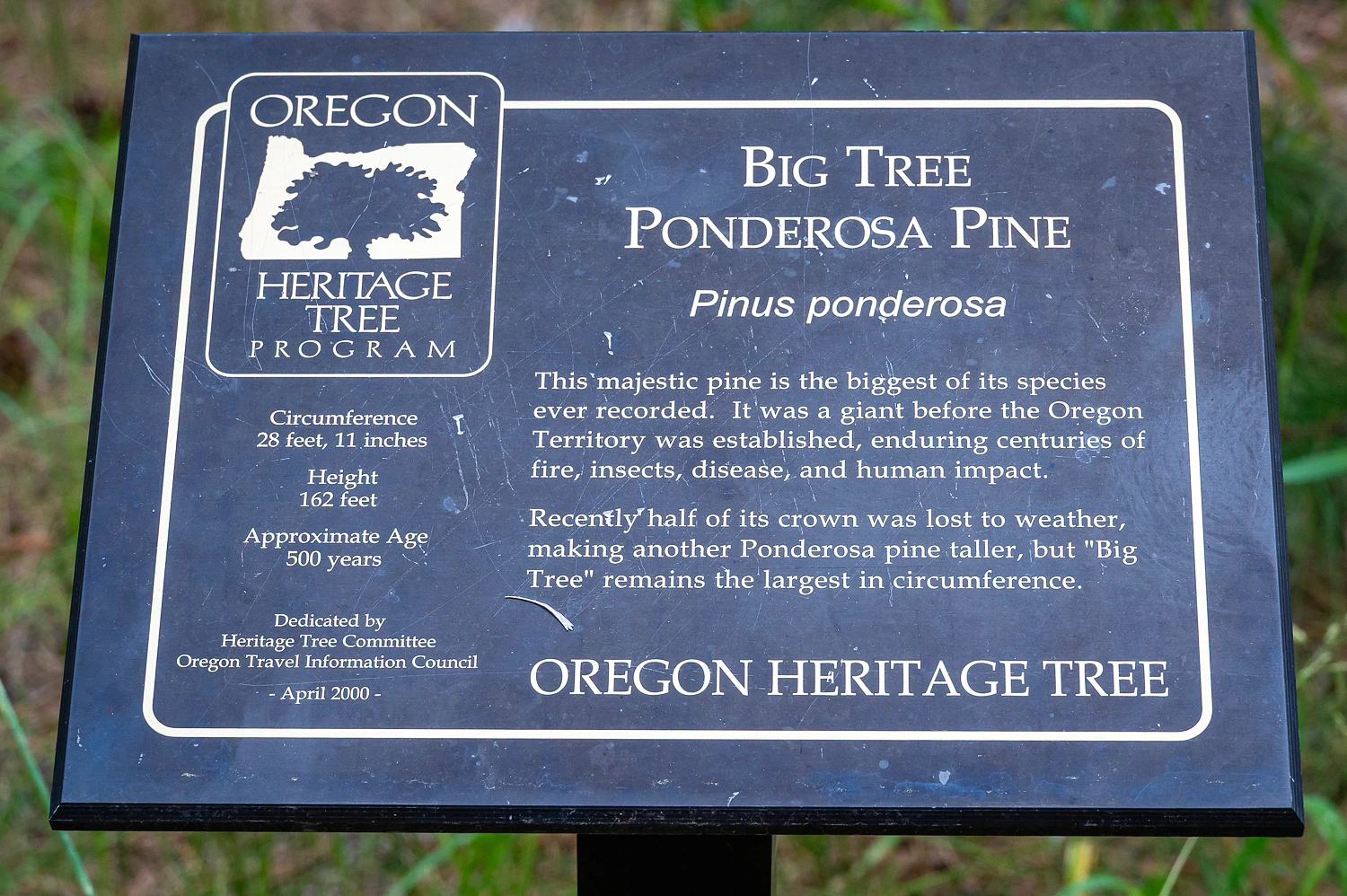
The world’s largest Ponderosa Pine. It is quite a tree.
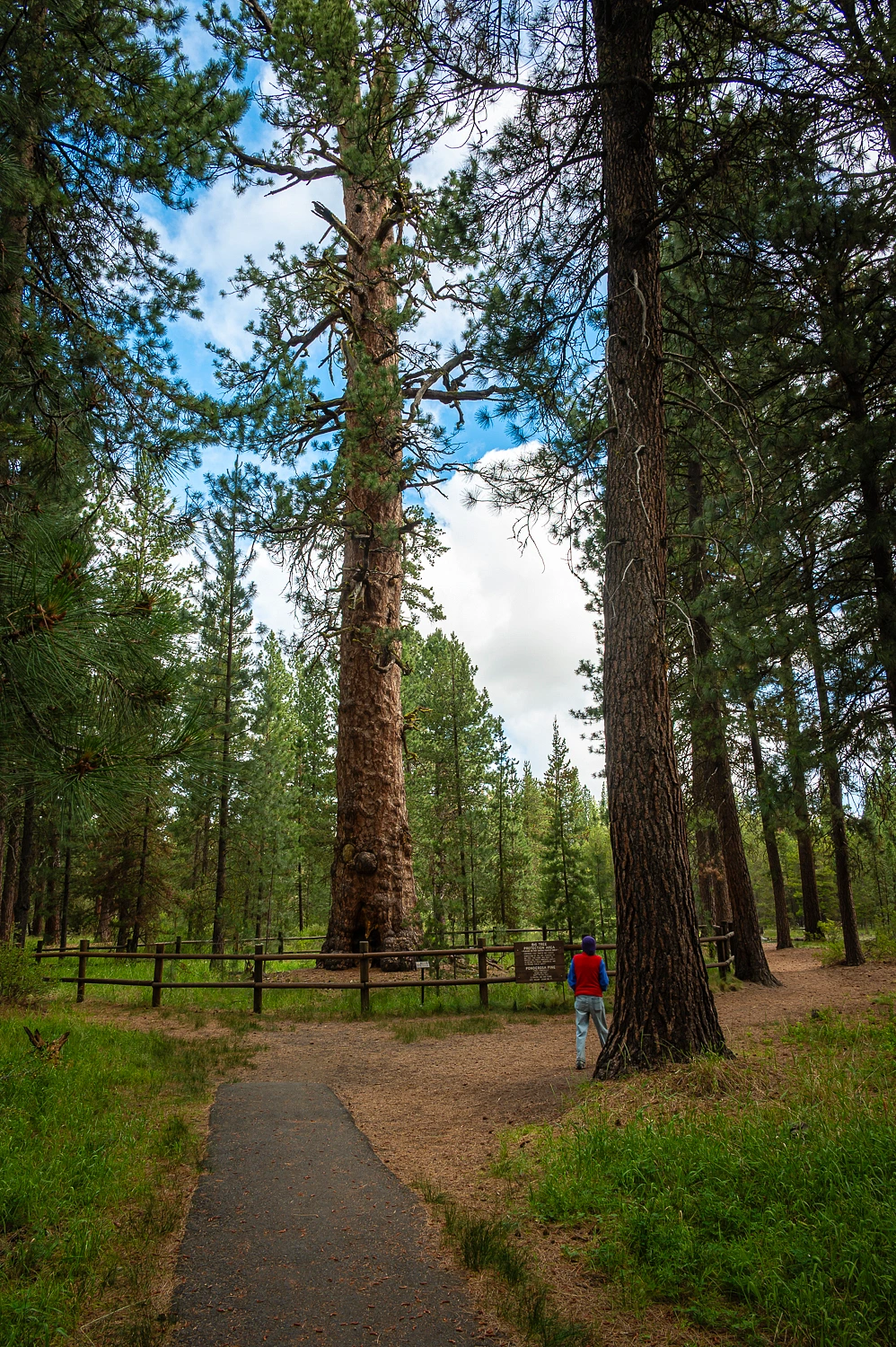
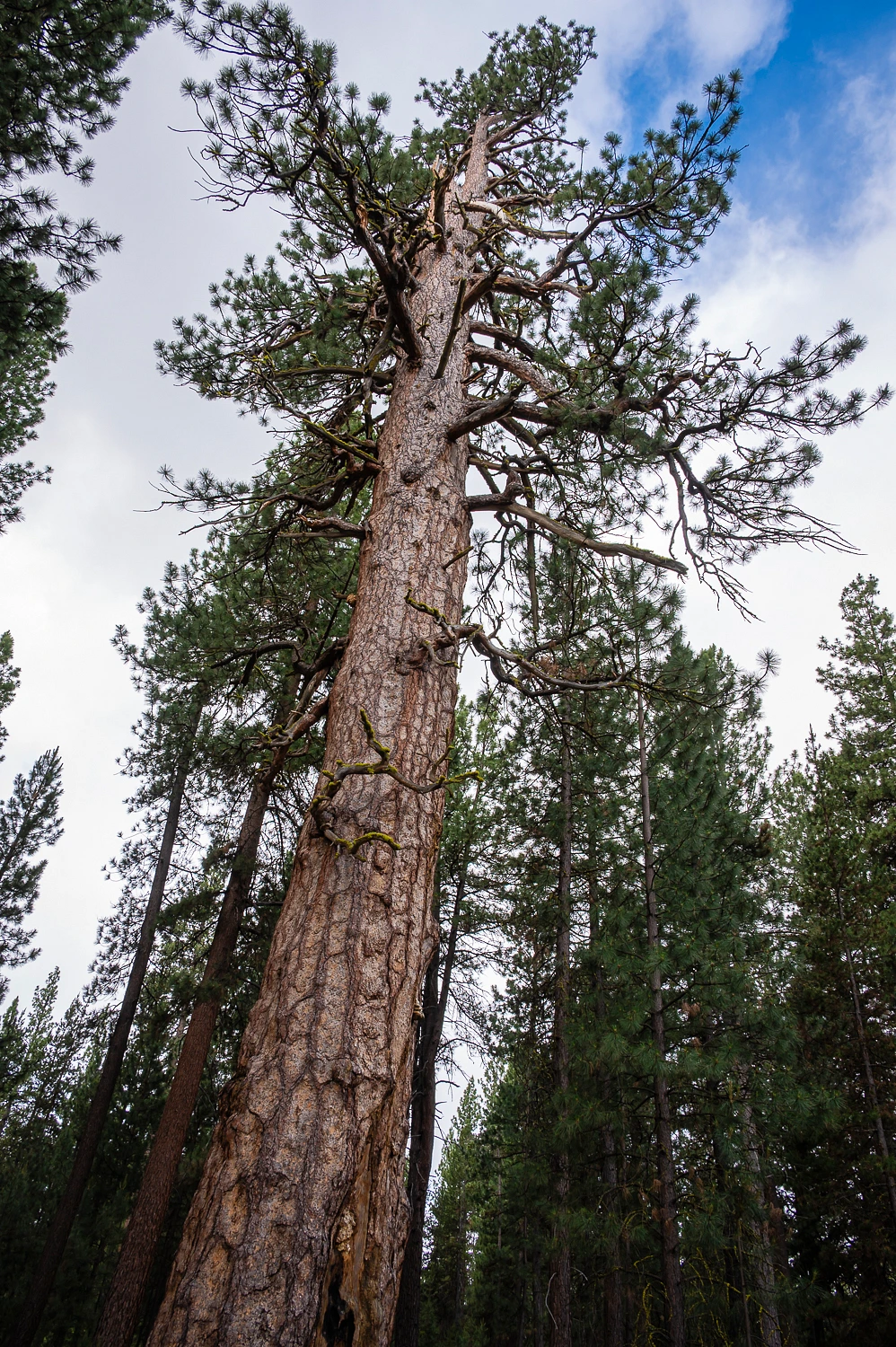
Why our interest? Because we’ve visited and stood beside a even larger ponderosa pine.
I will look for photos in my files, or it may be easier to just visit it again.
Here’s a link to - Official Register of Champion Trees. Scroll down to Ponderosa Pine.
It’s existence and location are not publicized.
Still, this is a magnificent tree here in Oregon. And all giants like this should be revered.
Guess where we’re off to next? ;)
Our adventure concludes in the upcoming Part Five.

No comments:
Post a Comment